Cooking for health often gets framed as a demanding, time-consuming commitment, but it does not have to feel overwhelming. In fact, preparing nutritious meals can become one of the most calming and rewarding parts of your day when approached with the right mindset. Instead of focusing on perfection, strict rules, or complicated recipes, it helps to see cooking as a flexible and supportive habit that fits naturally into your lifestyle.
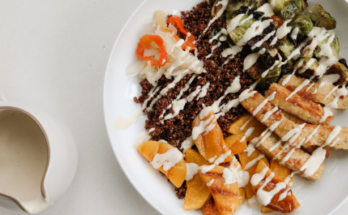
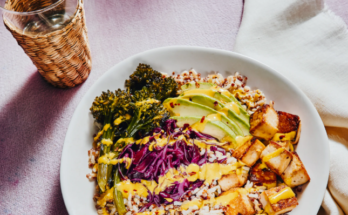
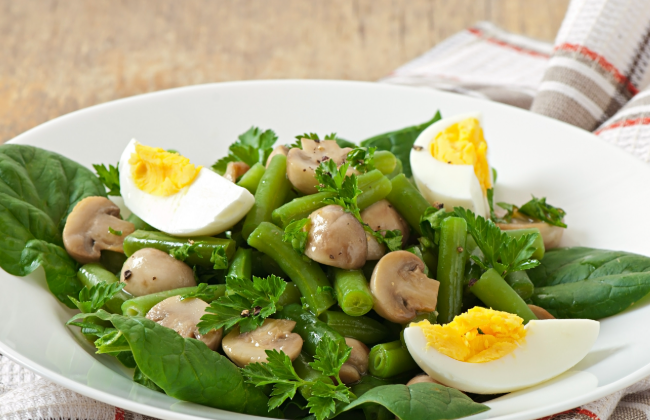
A good place to start is by simplifying your expectations. Healthy cooking does not require expensive ingredients or advanced skills. Basic, whole foods such as vegetables, fruits, grains, and proteins can be turned into satisfying meals with minimal effort. A simple stir-fry, a hearty soup, or a balanced bowl with rice, vegetables, and a protein source can provide excellent nutrition without stress. By focusing on what is easy and accessible, you reduce pressure and make the process more enjoyable.
Planning ahead can also make a big difference. When you have a general idea of what you will cook during the week, you avoid last-minute decisions that often lead to unhealthy choices or unnecessary stress. This does not mean creating a rigid schedule. Instead, think of it as having a loose guide. For example, you might decide to cook a vegetable-based dish one day, a protein-rich meal the next, and something comforting but balanced on another day. Keeping your plan flexible allows you to adjust based on your mood and energy levels.
Another helpful approach is preparing ingredients in advance. Washing and cutting vegetables, cooking grains, or marinating proteins ahead of time can significantly reduce cooking time during busy days. Even small steps, like chopping onions or storing ready-to-use greens, can make the process feel more manageable. When everything is partially prepared, cooking becomes quicker and less intimidating.
It is also important to create a comfortable cooking environment. A clean and organized kitchen can have a calming effect and make the experience more pleasant. Playing soft music, opening a window for fresh air, or simply taking a moment to breathe before you start can help shift your mindset from rushed to relaxed. Cooking should not feel like a chore but rather an opportunity to care for yourself.
Choosing recipes that match your energy level is another way to reduce stress. On days when you feel motivated, you might try something new or slightly more complex. On busier or low-energy days, stick to simple meals that you can prepare quickly. There is no need to push yourself to cook elaborate dishes every day. Consistency matters more than complexity when it comes to healthy eating.
Listening to your body is equally important. Healthy cooking is not just about following guidelines but also about understanding what makes you feel good. Some days you may crave lighter meals, while on others you might want something more filling. Paying attention to these signals helps you build a balanced and sustainable relationship with food. It also prevents the feeling of restriction, which can often lead to stress.
Using a few reliable cooking methods can simplify things even further. Techniques such as steaming, baking, sautéing, or grilling are versatile and easy to learn. Once you are comfortable with these methods, you can apply them to a variety of ingredients without needing to follow detailed instructions each time. This flexibility allows you to cook confidently and creatively without overthinking.
Keeping your pantry stocked with basic essentials can also support stress-free cooking. Items like whole grains, canned beans, spices, and healthy oils provide a strong foundation for many meals. With these ingredients on hand, you can quickly put together nutritious dishes even when you have not planned ahead. This reduces the need for last-minute shopping and helps you stay consistent with your healthy eating habits.
It is worth remembering that healthy cooking does not have to be perfect. There will be days when things do not go as planned, and that is completely normal. Instead of feeling discouraged, treat these moments as part of the learning process. Over time, you will become more comfortable in the kitchen and develop your own rhythm.
Sharing meals with others can also make cooking more enjoyable and less stressful. Whether you are cooking for family, friends, or just yourself, taking the time to appreciate your food can enhance the experience. Eating slowly and mindfully allows you to fully enjoy the flavors and recognize the effort you put into preparing the meal.
Technology can also be a helpful tool when used in a balanced way. Simple recipe apps or online videos can provide inspiration and guidance without overwhelming you. The key is to choose resources that align with your needs and avoid comparing yourself to unrealistic standards. Focus on progress rather than perfection.
Finally, it helps to shift your perspective on cooking for health. Instead of seeing it as an obligation, think of it as a form of self-care. Preparing your own meals gives you control over what you eat and allows you to nourish your body in a thoughtful way. This mindset can transform cooking from a stressful task into a positive daily habit.
In the end, cooking for health without stress is about finding what works for you. By keeping things simple, staying flexible, and focusing on enjoyment rather than perfection, you can build a routine that supports both your well-being and your peace of mind. Over time, these small, consistent efforts can lead to lasting benefits, making healthy cooking a natural and rewarding part of your life.