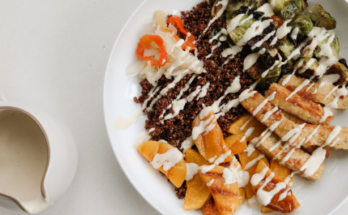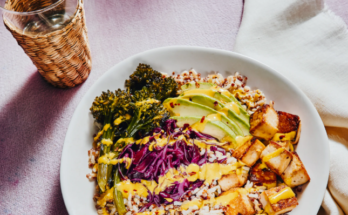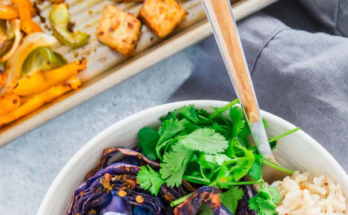
Creating fresh and light meals at home does not have to feel complicated or time-consuming. With a few simple habits and a focus on wholesome ingredients, anyone can prepare dishes that are both satisfying and nourishing. Cooking in this way is not about strict rules or expensive ingredients. Instead, it is about choosing foods that feel good to eat and using easy methods that preserve natural flavors.
One of the easiest ways to begin is by focusing on fresh ingredients. Vegetables, fruits, lean proteins, and whole grains form the foundation of light meals. When ingredients are fresh, they require less effort to taste good. A ripe tomato, crisp cucumber, or handful of herbs can transform even the simplest dish into something enjoyable. Visiting local markets or selecting seasonal produce can help ensure better flavor and quality.
Another helpful approach is to keep cooking methods simple. Steaming, grilling, sautéing, and baking are all excellent techniques for preparing light meals. These methods use less oil and allow the natural taste of ingredients to stand out. For example, lightly steaming vegetables helps them retain their color, texture, and nutrients, while grilling adds a subtle smoky flavor without needing heavy sauces.
Using herbs and natural seasonings is another easy way to enhance meals without making them heavy. Fresh herbs like basil, cilantro, parsley, and mint can add brightness and depth to dishes. Simple additions such as lemon juice, garlic, or a pinch of spices can bring out flavors without relying on rich or processed ingredients. This keeps meals both light and enjoyable.
Planning meals ahead of time can also make a big difference. When you have a general idea of what to cook, it becomes easier to avoid last-minute decisions that might lead to heavier or less balanced options. Preparing a few ingredients in advance, such as washing vegetables or cooking a batch of grains, can save time during busy days and make cooking feel more manageable.
Portion balance plays an important role as well. A light meal does not mean a small or unsatisfying one. Instead, it focuses on balance. Filling half of your plate with vegetables, adding a portion of protein, and including a small amount of whole grains can create a meal that is both filling and energizing. This approach helps maintain variety while keeping meals from feeling overly rich.
Incorporating more plant-based meals is another simple way to keep dishes light. Meals centered around vegetables, beans, lentils, and grains can be both flavorful and satisfying. For example, a vegetable stir-fry with tofu or a hearty lentil soup can provide plenty of nutrients without feeling heavy. These meals are also versatile and can be adjusted based on what ingredients are available.
Keeping cooking time short can also help maintain freshness. Overcooking can cause ingredients to lose both flavor and texture. Quick cooking methods, such as stir-frying or lightly sautéing, help preserve the natural qualities of food. This not only improves taste but also makes the cooking process faster and more enjoyable.
Hydration is often overlooked when thinking about meals, but it plays a role in keeping things light. Including foods with high water content, such as cucumbers, leafy greens, and fruits, can make meals feel refreshing. Pairing meals with water or light beverages instead of sugary drinks can also contribute to a more balanced approach.
Another practical tip is to reduce reliance on processed ingredients. Packaged foods often contain added sugars, excess salt, and preservatives that can make meals feel heavier. Choosing simple, whole ingredients allows for better control over what goes into your food and helps maintain a lighter overall feel.
Cooking at home also allows for creativity. Trying new combinations of ingredients or experimenting with different cuisines can keep meals interesting. For instance, combining fresh vegetables with a light dressing inspired by Mediterranean or Asian flavors can create a dish that feels both unique and easy to prepare. This sense of variety can make healthy cooking feel less repetitive.
It is also helpful to listen to your own preferences and adjust meals accordingly. Not every dish needs to follow a strict formula. Some days may call for a simple salad, while others might be better suited for a warm bowl of soup or a lightly cooked stir-fry. Paying attention to what feels satisfying can make cooking more enjoyable and sustainable over time.
Keeping the kitchen organized can further simplify the process. Having basic tools and ingredients readily available makes it easier to prepare meals without stress. Simple items such as a good knife, a cutting board, and a few versatile pans can make cooking more efficient. Stocking staples like olive oil, grains, and spices ensures that a meal can come together quickly.
Another easy habit is to focus on mindful cooking. Taking a few moments to prepare ingredients, appreciate their colors and textures, and cook without rushing can turn meal preparation into a relaxing activity. This approach not only improves the cooking experience but can also make meals feel more rewarding.
Sharing meals with others can also enhance the experience. Cooking for family or friends creates an opportunity to connect while enjoying fresh and light dishes together. Even simple meals can feel special when shared in a welcoming environment.
In the end, preparing fresh and light meals is about simplicity, balance, and enjoyment. It does not require advanced skills or complicated recipes. By choosing fresh ingredients, using gentle cooking methods, and keeping things flexible, anyone can create meals that are both nourishing and satisfying. Over time, these small habits can become part of a routine that supports a positive and enjoyable approach to cooking.