Cooking at home has become more than just a daily necessity. In modern households, it represents a conscious choice to live better, eat smarter, and create meaningful routines around food. With increasingly busy lifestyles, many people assume that healthy cooking requires too much time or effort. In reality, small, practical changes can transform everyday meals into nourishing experiences without adding stress to your schedule.
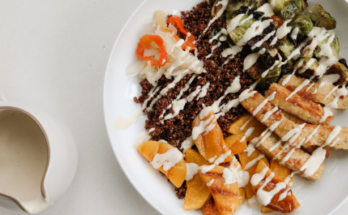
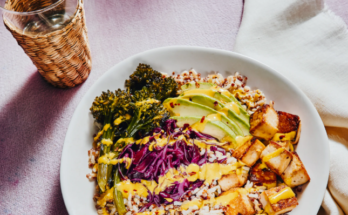
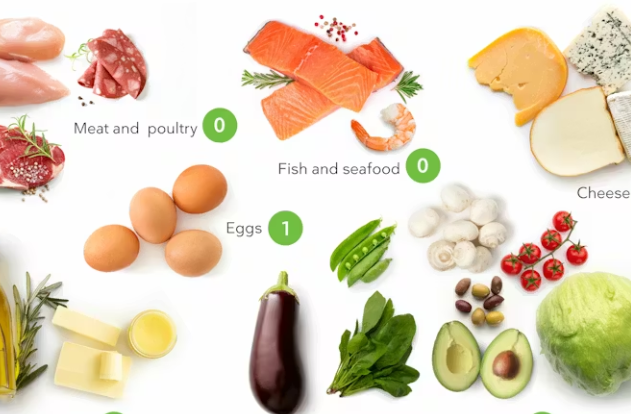
One of the most effective ways to start cooking healthier is by focusing on whole, minimally processed ingredients. Fresh vegetables, fruits, whole grains, lean proteins, and healthy fats provide the foundation for balanced meals. These ingredients not only support overall well-being but also enhance flavor naturally, reducing the need for excessive salt, sugar, or artificial additives. Keeping your kitchen stocked with these essentials makes it easier to prepare nutritious meals without last-minute compromises.
Planning ahead plays a key role in maintaining healthy cooking habits. Setting aside time each week to think about your meals can prevent reliance on fast food or overly processed options. Simple meal prep techniques, such as washing and chopping vegetables in advance or cooking grains in batches, can save valuable time during busy weekdays. When healthy components are ready to use, cooking becomes more convenient and enjoyable.
Modern kitchens often come equipped with appliances that can simplify healthy cooking. Devices like air fryers, slow cookers, and steamers allow you to prepare meals using less oil while preserving nutrients and flavor. For example, steaming vegetables helps retain vitamins that might be lost during boiling, while air frying offers a crispy texture without deep frying. Learning how to use these tools effectively can expand your cooking options while supporting healthier outcomes.
Another important aspect of healthy cooking is mindful seasoning. Herbs and spices can elevate the taste of any dish without adding unnecessary calories. Ingredients like garlic, ginger, turmeric, basil, and cumin not only enhance flavor but may also provide additional health benefits. Experimenting with different combinations can keep meals exciting and prevent the feeling of repetition that sometimes discourages home cooking.
Portion awareness is equally important in a modern home setting. Even nutritious meals can become less beneficial when consumed in excessive amounts. Using smaller plates, serving balanced portions, and paying attention to hunger cues can help maintain a healthy relationship with food. This approach encourages satisfaction without overindulgence and supports long-term habits rather than temporary changes.
Incorporating a variety of cooking methods can also make a difference. Grilling, baking, steaming, and sautéing with minimal oil are all healthier alternatives to deep frying. Each method brings out different textures and flavors, allowing you to enjoy a diverse range of dishes. Rotating cooking techniques keeps meals interesting and helps you discover new favorites that align with your goals.
Reducing added sugars and refined ingredients is another valuable step. Many packaged foods contain hidden sugars that can accumulate quickly. Preparing meals at home gives you greater control over what goes into your food. Natural sweetness from fruits or small amounts of honey can often replace refined sugar in recipes, creating a more balanced flavor profile without sacrificing enjoyment.
Hydration and cooking are closely connected, even though they are often considered separately. Preparing meals that include water-rich ingredients such as vegetables, soups, and fruits can contribute to overall hydration. Additionally, choosing healthier beverages to accompany meals supports a well-rounded approach to nutrition. Simple habits like drinking water instead of sugary drinks can complement your cooking efforts and enhance overall wellness.
Modern lifestyles also benefit from flexibility in the kitchen. Healthy cooking does not mean striving for perfection every day. It is about making better choices more often. Allowing room for occasional treats or convenience foods can make your routine more sustainable. The goal is to create a balanced approach that fits your life, rather than following rigid rules that are difficult to maintain.
Involving family members or housemates in cooking can make the experience more enjoyable and meaningful. Sharing responsibilities, trying new recipes together, and discussing food choices can foster a positive environment around meals. This not only encourages healthier habits but also strengthens connections within the household. Cooking becomes a shared activity rather than a chore.
Food safety is another essential consideration in modern homes. Proper storage, handling, and cooking temperatures help prevent foodborne issues and ensure that meals remain safe to consume. Simple practices such as washing hands before cooking, keeping raw and cooked foods separate, and storing leftovers correctly can make a significant difference. A safe kitchen supports both health and confidence in your cooking routine.
Technology can also support healthier cooking habits. There are many apps and online resources that offer recipe ideas, nutritional information, and cooking tutorials. These tools can inspire creativity and help you make informed choices. However, it is important to focus on reliable, balanced information rather than overly restrictive trends that may not be suitable for everyone.
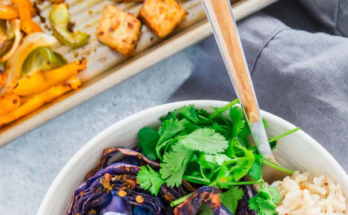
Budget-friendly cooking is entirely compatible with healthy eating. Buying seasonal produce, choosing local ingredients when possible, and minimizing food waste can reduce costs while maintaining quality. Simple meals made from affordable ingredients can be both nutritious and satisfying. Learning how to use leftovers creatively, such as turning roasted vegetables into soups or grain bowls, can stretch your budget further.
Creating a comfortable and organized kitchen environment also supports healthy cooking. Keeping your workspace clean, accessible, and well-arranged makes the process smoother and more enjoyable. When ingredients and tools are easy to find, you are more likely to cook regularly and experiment with new ideas. A welcoming kitchen encourages consistency, which is key to building lasting habits.
Finally, it is important to approach healthy cooking with a positive mindset. Instead of focusing on restrictions, think of it as an opportunity to explore flavors, improve well-being, and enjoy the process. Small, consistent changes often lead to meaningful results over time. By making thoughtful choices and adapting them to your lifestyle, you can create a sustainable approach to cooking that supports both health and happiness.
Healthy cooking in modern homes is not about complexity or perfection. It is about making practical, mindful decisions that fit into your daily routine. With a focus on whole ingredients, smart preparation, and enjoyable experiences, anyone can create meals that nourish both body and mind while keeping pace with the demands of contemporary life.