Fresh cooking methods are reshaping how people think about food, health, and everyday living. In a world where convenience often overrides nutrition, rediscovering simple, modern, and mindful ways to prepare meals can have a powerful impact on both physical well-being and overall lifestyle. Cooking is no longer just about feeding the body; it is about creating balance, enjoying the process, and making choices that support long-term health in a sustainable and enjoyable way.
One of the most notable trends in fresh cooking is the emphasis on preserving natural flavors and nutrients. Traditional high-heat or overly processed cooking techniques can strip ingredients of their vitamins and minerals. In contrast, newer approaches such as steaming, light sautéing, and low-temperature roasting help retain the integrity of fresh produce, lean proteins, and whole grains. These methods allow ingredients to shine without needing excessive oils, salts, or artificial flavorings.
Steaming, for example, has become a favorite for those seeking simplicity and health benefits. By cooking food gently with water vapor, it keeps vegetables vibrant in color and rich in nutrients. It also requires minimal equipment, making it accessible to almost anyone. Similarly, light sautéing with small amounts of healthy oils can enhance flavor while still maintaining a balanced approach to fat consumption.
Another fresh cooking method gaining attention is air cooking, often done with air fryers or convection ovens. This technique uses circulating hot air to create a crispy texture similar to frying but with significantly less oil. It offers a practical solution for people who enjoy familiar comfort foods but want to reduce excess fats. The result is a satisfying compromise between taste and health, making it easier to maintain better eating habits over time.
Raw and minimally cooked meals are also becoming more popular, especially among those who want to maximize nutrient intake. Salads, smoothies, and lightly marinated dishes can provide essential vitamins in their most natural state. While not every meal needs to be raw, incorporating more uncooked or lightly prepared ingredients into daily routines can support digestion and energy levels.
Fermentation is another traditional technique experiencing a modern revival. Foods like yogurt, kimchi, and pickled vegetables are not only flavorful but also support gut health through beneficial bacteria. Preparing these foods at home allows for control over ingredients and reduces reliance on preservatives. This method connects people with time-honored culinary practices while aligning with current health-focused lifestyles.
Fresh cooking methods also encourage the use of seasonal and local ingredients. Choosing produce that is in season often means better taste, improved nutrition, and a smaller environmental footprint. Local markets and community-supported agriculture programs make it easier to access fresh ingredients while supporting nearby farmers. This connection to food sources fosters a greater appreciation for what goes into each meal and promotes more thoughtful consumption habits.
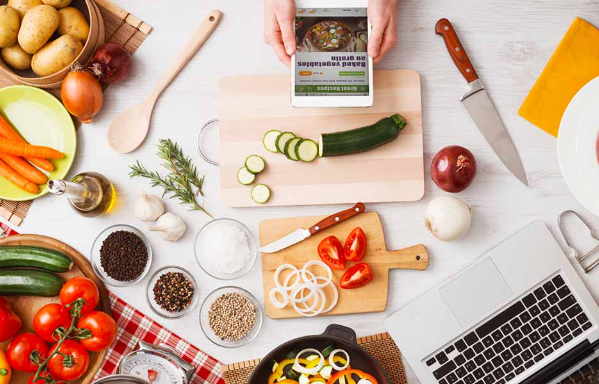
Technology has played a significant role in making fresh cooking more approachable. Modern kitchen tools, from smart ovens to precision cookers, allow for greater control and consistency. These devices can simplify complex techniques, making them accessible even to beginners. At the same time, online recipes and cooking tutorials have expanded knowledge and inspired creativity in kitchens around the world.
Mindful cooking is another important aspect of this movement. Taking time to prepare meals thoughtfully can transform cooking from a routine task into a rewarding experience. It encourages people to slow down, focus on quality ingredients, and enjoy the process. This shift in mindset can reduce stress and create a stronger connection to food, which often leads to healthier choices.
Fresh cooking methods also support dietary flexibility. Whether someone prefers plant-based meals, lean proteins, or a balanced mix of both, these techniques can be adapted to suit different preferences. The focus remains on whole, minimally processed ingredients and preparation styles that enhance rather than mask natural flavors. This adaptability makes it easier for individuals to maintain eating habits that align with their personal goals.
In addition to physical health benefits, fresh cooking can positively influence social connections. Sharing home-cooked meals with family or friends creates opportunities for meaningful interaction. Cooking together can become a shared activity that builds relationships and fosters a sense of community. Even simple meals can carry a sense of care and intention that is often missing from pre-packaged foods.
Sustainability is another key benefit of adopting fresh cooking methods. By reducing reliance on heavily processed foods and excessive packaging, individuals can lower their environmental impact. Using whole ingredients often results in less waste, especially when scraps are repurposed into broths or composted. This mindful approach to cooking aligns with broader efforts to live more responsibly and protect natural resources.
For those just beginning to explore fresh cooking, starting small can make the transition more manageable. Simple changes, such as incorporating more vegetables into meals or trying a new cooking method once a week, can build confidence over time. There is no need for perfection; the goal is progress and enjoyment. Experimenting with flavors and techniques can turn cooking into an ongoing journey of discovery.
Education also plays a vital role in supporting better cooking habits. Understanding how different methods affect nutrients and flavors empowers people to make informed decisions. Learning basic skills, such as proper knife techniques or how to balance seasoning, can significantly improve the quality of home-cooked meals. These skills are not only practical but also contribute to a greater sense of independence and creativity.
Fresh cooking methods ultimately reflect a broader shift toward intentional living. They encourage people to think about what they eat, how it is prepared, and how it impacts their health and environment. This awareness can lead to more balanced choices that support both immediate well-being and long-term goals.
By embracing these approaches, individuals can create meals that are both nourishing and enjoyable. Fresh cooking is not about strict rules or limitations; it is about finding methods that work for each person’s lifestyle while prioritizing quality and simplicity. Over time, these habits can lead to improved health, greater satisfaction, and a deeper connection to food.
In a fast-paced world, returning to fresh, thoughtful cooking offers a way to reconnect with what truly matters. It provides an opportunity to care for the body, engage the senses, and create meaningful experiences around food. Through small, consistent changes, fresh cooking methods can become a foundation for better living, one meal at a time.