Cooking at home can be one of life’s most satisfying routines, but it often comes with an unavoidable side effect: mess. From oil splatters on the stove to piles of dishes in the sink, the cleanup can sometimes feel more overwhelming than the cooking itself. The good news is that keeping your kitchen clean while you cook doesn’t require complicated systems or expensive tools. With a few simple habits and thoughtful adjustments, you can make the entire process smoother, more enjoyable, and far less stressful.
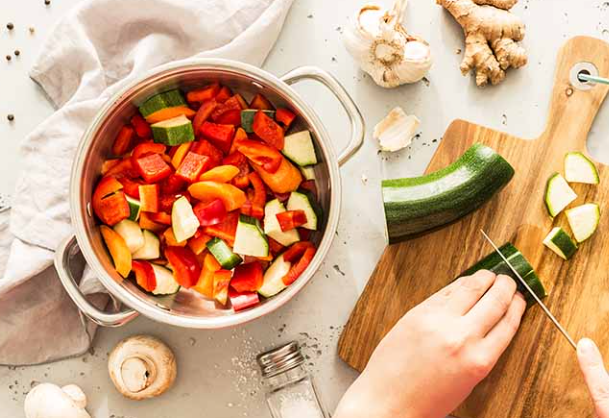
One of the easiest ways to maintain a cleaner kitchen is to start with preparation. Before you even turn on the stove, take a moment to organize your ingredients and tools. This approach, often called mise en place, simply means having everything ready and within reach. When ingredients are pre-measured and tools are laid out ahead of time, you avoid scrambling through cabinets or spilling items in a rush. It also reduces the chance of forgetting something important, which can lead to unnecessary mess later.
Another helpful habit is cleaning as you go. Instead of letting dishes pile up, try washing or rinsing items during natural pauses in cooking, such as while something is simmering or baking. Even small actions like wiping a cutting board or rinsing a knife immediately after use can make a big difference. By the time your meal is ready, most of the cleanup will already be done, leaving you with a tidy space instead of a daunting mess.
Using fewer tools is another simple way to minimize cleanup. It can be tempting to grab a new spoon or bowl for each step, but reusing items when possible keeps things under control. For example, the same spoon used to stir vegetables can often be used again for sauce, as long as it’s safe and appropriate for the ingredients. Choosing one-pan or one-pot recipes can also significantly cut down on the number of dishes you need to wash.
Being mindful of spills and splatters can help prevent bigger cleaning jobs later. When cooking with oil or sauces, consider using a lid or splatter guard to keep your stovetop clean. Stirring gently instead of aggressively can also reduce the chances of food escaping the pan. If a spill does happen, wiping it up right away is much easier than dealing with dried residue later.
Keeping a designated cleaning station within reach can make a surprising difference. A simple setup with a damp cloth, a dry towel, and a small bowl of soapy water allows you to quickly address messes as they occur. This prevents stains from setting and keeps surfaces looking fresh throughout the cooking process. It also creates a sense of control, making the kitchen feel more manageable.
Choosing the right cookware can also contribute to a cleaner experience. Nonstick pans, for instance, are easier to clean and often require less oil, which reduces residue. Similarly, lining baking trays with parchment paper can prevent food from sticking and eliminate the need for heavy scrubbing. Small adjustments like these can save both time and effort without compromising the quality of your meals.
Organization plays a key role in maintaining a clean kitchen. When everything has a designated place, it becomes easier to put items away immediately after use. This reduces clutter on countertops and helps you stay focused while cooking. Clear surfaces not only look better but also provide more space to work, making the entire process feel more efficient.
It is also helpful to think about waste management during cooking. Keeping a small bowl or container nearby for scraps, peels, and packaging can prevent trips to the trash bin and reduce clutter on your workspace. Once you are finished, you can dispose of everything at once, keeping your kitchen tidy throughout the process.
Another often overlooked tip is to simplify your recipes when possible. Complex dishes with many steps and ingredients can be rewarding, but they often create more mess. Choosing straightforward recipes with fewer components can make cooking feel lighter and more enjoyable, especially on busy days. This doesn’t mean sacrificing flavor; simple dishes can be just as delicious when prepared with care.
Good ventilation can also help maintain a cleaner environment. Cooking smells and airborne grease can settle on surfaces over time, making them harder to clean. Turning on a fan or opening a window while cooking can reduce buildup and keep your kitchen feeling fresh. This small step contributes to both cleanliness and comfort.
Timing is another important factor. Planning your cooking sequence so that tasks flow naturally can reduce chaos in the kitchen. For example, chopping vegetables before heating the pan allows you to focus on cooking without interruptions. When each step follows logically, there is less chance of rushing or making a mess.
Finally, adopting a positive mindset toward cleaning can make a big difference. Instead of viewing it as a separate chore, try to see it as part of the cooking process. When cleaning becomes a natural extension of preparing food, it feels less like a burden and more like a routine. This shift in perspective can make your time in the kitchen more enjoyable and less stressful.
Cleaner cooking is not about perfection or strict rules. It is about finding small, practical ways to make your kitchen work better for you. By preparing ahead, staying organized, and addressing messes as they happen, you can create a cooking environment that feels calm and inviting. Over time, these simple habits become second nature, allowing you to focus on what truly matters: enjoying the process and sharing good food with others.