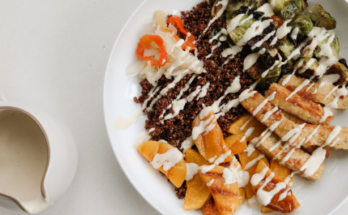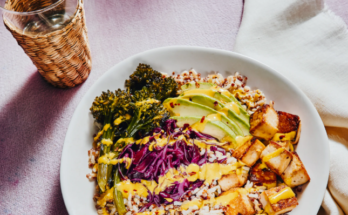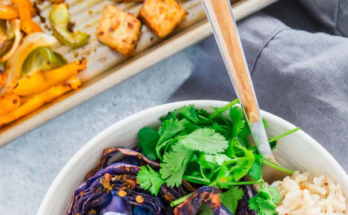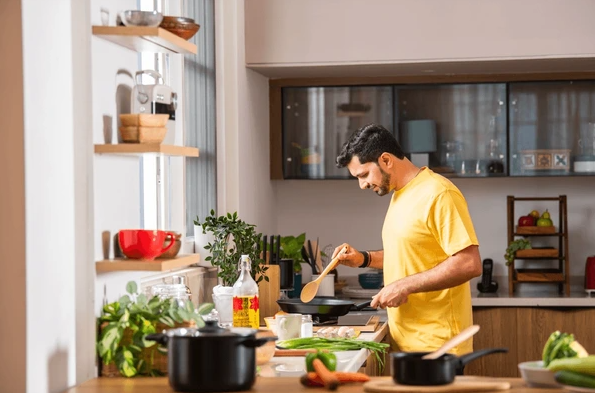
Cooking at home has always been one of the most reliable ways to support a healthier lifestyle, but building a truly health-focused kitchen involves more than just choosing fresh ingredients. It is about creating habits, organizing your space, and understanding how small changes can lead to meaningful improvements in your meals and overall well-being. With a few thoughtful adjustments, your kitchen can become a place that naturally encourages balanced, nourishing choices without feeling restrictive or complicated.
A good starting point is to focus on the ingredients you keep within easy reach. When healthier options are visible and convenient, they are far more likely to be used. Fresh fruits placed on the counter, pre-washed vegetables stored at eye level in the refrigerator, and whole grains organized neatly in clear containers can gently guide your daily cooking decisions. On the other hand, items that are highly processed or overly sugary can be stored out of immediate sight, reducing the likelihood of impulsive use while still allowing flexibility in your diet.
Another helpful strategy is learning simple cooking techniques that preserve nutrients while enhancing flavor. Methods such as steaming, roasting, grilling, and sautéing with minimal oil can bring out the natural taste of ingredients without the need for excessive salt, sugar, or heavy sauces. For example, roasting vegetables at a high temperature caramelizes their natural sugars, creating a rich flavor that feels satisfying without requiring added ingredients. Similarly, using herbs, spices, citrus, and aromatics like garlic or ginger can elevate dishes in a way that supports both taste and health.
Portion awareness also plays an important role in maintaining a balanced kitchen routine. This does not mean strict measuring or limiting enjoyment, but rather developing an intuitive sense of balance. Using smaller plates, serving appropriate portions, and taking time to enjoy meals can make a noticeable difference. Cooking at home gives you control over serving sizes, which can help prevent overeating without the need for rigid rules.
Keeping your kitchen organized can have a surprisingly strong impact on your habits. A clutter-free workspace makes cooking feel less overwhelming and more inviting. When tools and ingredients are easy to find, preparing meals becomes quicker and more enjoyable. Consider grouping similar items together, such as keeping cooking oils, spices, and utensils near the stove, while storing grains and dry goods in a designated pantry area. This simple structure can reduce stress and encourage more frequent home cooking.
Planning meals ahead of time is another powerful way to support healthier choices. When you have a general idea of what you will cook during the week, you are less likely to rely on last-minute, less balanced options. Meal planning does not have to be rigid or time-consuming. Even outlining a few meals and preparing some ingredients in advance, such as chopping vegetables or cooking grains, can make a big difference. This approach saves time while helping you stay consistent with your goals.
Hydration is often overlooked in discussions about kitchen habits, but it plays a key role in overall health. Keeping water easily accessible, whether through a filled pitcher in the refrigerator or a reusable bottle on the counter, can encourage regular intake throughout the day. You can also add slices of fruit or herbs to water for a refreshing flavor without added sugars.
Mindful cooking is another aspect worth considering. Taking the time to prepare meals with attention and care can transform cooking from a routine task into a more enjoyable experience. This mindset encourages you to appreciate ingredients, notice flavors, and make thoughtful decisions about what you add to your dishes. It also creates an opportunity to slow down and connect with the process, which can have a positive effect on how you experience food overall.
Reducing food waste is both environmentally responsible and beneficial for maintaining a healthier kitchen. Using leftovers creatively, storing food properly, and understanding expiration labels can help you make the most of your ingredients. For example, leftover vegetables can be added to soups, stir-fries, or omelets, while overripe fruits can be blended into smoothies or used in baking. This approach not only saves money but also ensures that nutritious ingredients are fully utilized.
It is also helpful to build a balanced approach rather than aiming for perfection. A healthy kitchen does not require eliminating all indulgent foods. Instead, it focuses on creating a supportive environment where nutritious options are the foundation, and treats can be enjoyed in moderation. This balanced mindset makes it easier to maintain long-term habits without feeling deprived.
Cooking with others can add another layer of enjoyment and motivation. Whether it is preparing meals with family members or sharing recipes with friends, collaboration can make healthy cooking feel more engaging. It also provides an opportunity to learn new techniques and discover different flavors, expanding your culinary skills in a positive way.
Finally, remember that small, consistent changes often lead to the most lasting results. You do not need to transform your kitchen overnight. Start with one or two adjustments, such as organizing your pantry or trying a new cooking method, and build from there. Over time, these gradual improvements can create a kitchen environment that naturally supports healthier choices and makes cooking a more enjoyable part of your daily routine.
By focusing on accessibility, simplicity, and balance, you can create a kitchen that works with you rather than against you. The goal is not to follow strict rules, but to develop a space and set of habits that encourage nourishing, satisfying meals. With a thoughtful approach, your kitchen can become a foundation for a healthier and more enjoyable lifestyle.