Preparing healthy meals does not have to feel complicated, expensive, or time-consuming. With a few thoughtful strategies and a bit of planning, anyone can build a routine that supports better eating habits while still enjoying delicious food. The key is to focus on balance, simplicity, and consistency rather than perfection. Healthy meal preparation is less about strict rules and more about making practical choices that fit into everyday life.
One of the smartest ways to start is by planning meals ahead of time. Taking a short moment each week to decide what to eat can reduce stress and prevent last-minute decisions that often lead to less nutritious options. A simple plan might include breakfast, lunch, dinner, and a few snacks. It helps to choose meals that share ingredients, which minimizes waste and saves money. For example, vegetables prepared for dinner can easily be used in a lunch dish the next day.
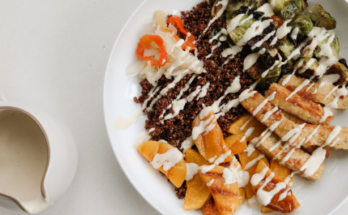
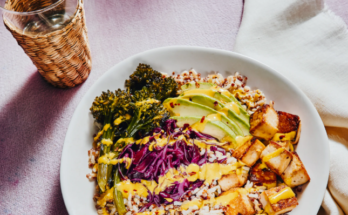
Keeping ingredients simple is another effective approach. Healthy meals do not require long ingredient lists or complex techniques. Fresh vegetables, fruits, whole grains, lean proteins, and healthy fats form the foundation of nutritious cooking. Combining these elements in different ways creates variety without unnecessary effort. A bowl of brown rice, sautéed vegetables, and grilled chicken can taste completely different depending on the spices or sauce used.
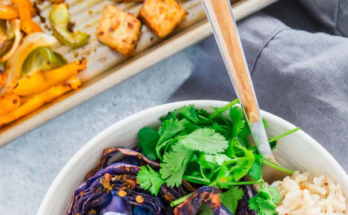
Batch cooking is a powerful time-saving method that supports healthier eating. Preparing larger portions and storing them for later ensures that there is always a ready-to-eat option available. This reduces the temptation to rely on fast food or highly processed meals. Cooking staples such as grains, beans, or roasted vegetables in advance allows for quick meal assembly throughout the week. Even preparing ingredients, like washing and cutting vegetables ahead of time, can make a big difference.
Another smart habit is learning to read food labels and understand basic nutrition. This does not mean memorizing complex details but becoming aware of key information such as added sugars, sodium levels, and ingredient quality. Choosing whole or minimally processed foods whenever possible helps maintain better control over what goes into each meal. It also encourages a more natural and balanced way of eating.
Portion awareness plays an important role in healthy meal preparation. Even nutritious foods can be overconsumed if portions are too large. Using smaller plates, serving balanced portions, and paying attention to hunger cues can help maintain a healthy relationship with food. Eating slowly and mindfully also improves satisfaction and reduces the likelihood of overeating.
Cooking methods matter just as much as ingredients. Grilling, steaming, baking, and stir-frying with minimal oil are healthier alternatives to deep frying. These methods preserve nutrients while enhancing flavor. Using herbs, spices, garlic, and citrus can add depth to meals without relying heavily on salt or unhealthy fats. Over time, experimenting with different seasonings can make healthy meals more exciting and enjoyable.
Smart meal preparation also includes building a well-organized kitchen. Keeping essential tools and ingredients easily accessible makes cooking more efficient. Stocking items like whole grains, canned beans, frozen vegetables, and basic spices ensures that a healthy meal is always within reach. An organized space encourages regular cooking and reduces the mental effort required to get started.
Hydration is often overlooked but is an important part of a healthy routine. Preparing meals with water-rich foods such as fruits and vegetables contributes to overall hydration. Drinking enough water throughout the day supports digestion and helps maintain energy levels. Choosing water or natural beverages over sugary drinks can significantly improve overall health.
Flexibility is another key factor in maintaining a healthy meal routine. It is important to allow room for personal preferences and occasional indulgences. A balanced approach that includes both nutritious meals and enjoyable treats is more sustainable in the long term. Restrictive habits can lead to frustration, while flexibility encourages consistency and a positive mindset.
Involving family or household members in meal preparation can make the process more enjoyable and efficient. Sharing responsibilities, such as chopping vegetables or setting the table, turns cooking into a collaborative activity. It also helps build healthy habits across different age groups and creates opportunities to learn new skills together.
Time management plays a crucial role in making healthy meal preparation realistic. Setting aside specific times for cooking or preparation can help build a routine. Even dedicating one or two hours a week to preparing ingredients or meals can save significant time later. Using simple cooking techniques and reliable recipes reduces the effort required and increases confidence in the kitchen.
Another helpful strategy is to focus on balanced meals rather than individual nutrients. A well-rounded plate typically includes a source of protein, a portion of whole grains or complex carbohydrates, healthy fats, and a variety of vegetables. This combination provides sustained energy and supports overall well-being. Thinking in terms of balance simplifies decision-making and makes healthy eating more approachable.
Reducing food waste is both practical and environmentally friendly. Planning meals carefully, storing food properly, and using leftovers creatively can minimize waste. Leftover vegetables can be added to soups, stir-fries, or omelets, while cooked grains can be turned into salads or side dishes. Being mindful of how food is used encourages more efficient and responsible cooking habits.
Healthy meal preparation also benefits from setting realistic goals. Trying to change everything at once can feel overwhelming, so it is often better to start small. Simple changes, such as cooking one additional meal at home each week or adding more vegetables to daily meals, can gradually build into lasting habits. Progress over time is more effective than aiming for immediate perfection.
Finally, maintaining a positive mindset is essential. Healthy cooking should feel rewarding rather than restrictive. Celebrating small successes, experimenting with new recipes, and enjoying the process can make a significant difference. When healthy meal preparation becomes a regular and enjoyable part of daily life, it naturally supports better choices and overall well-being.
Smart ways to prepare healthy meals are grounded in practicality, balance, and consistency. By planning ahead, keeping ingredients simple, using efficient cooking methods, and staying flexible, anyone can create a sustainable approach to nutritious eating. Over time, these habits become second nature, making healthy living both achievable and enjoyable.