Balanced eating does not require complicated recipes, expensive ingredients, or hours in the kitchen. At its core, it is about preparing meals that provide a mix of nutrients while remaining enjoyable and practical for daily life. Many people assume that healthy cooking is time-consuming or restrictive, but with the right approach, it can become simple, flexible, and satisfying. By focusing on easy cooking methods, anyone can create meals that support overall well-being without feeling overwhelmed.
One of the most effective ways to maintain balanced eating is by simplifying how meals are prepared. Instead of relying on elaborate techniques, basic methods like steaming, sautéing, baking, and boiling can deliver both flavor and nutrition. These methods help preserve the natural qualities of ingredients while keeping added fats, sugars, and sodium under control. For example, steaming vegetables allows them to retain their color, texture, and nutrients, making them both appealing and nourishing. A simple drizzle of olive oil and a sprinkle of herbs can elevate the taste without complicating the process.
Planning ahead also plays a major role in making balanced eating easier. When ingredients are prepared in advance, cooking becomes quicker and less stressful. Washing and chopping vegetables, marinating proteins, or cooking grains ahead of time can reduce the effort needed during busy days. This approach encourages more home-cooked meals, which often provide better control over ingredients and portion sizes. Having ready-to-use components makes it easier to assemble balanced dishes that include vegetables, proteins, and whole grains.
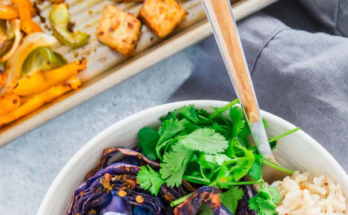
Another helpful method is one-pan or one-pot cooking. This approach minimizes both preparation and cleanup while allowing flavors to blend naturally. A simple combination of vegetables, lean protein, and whole grains can be cooked together in a single pan, creating a complete meal. For instance, roasting a mix of vegetables with chicken or tofu in the oven requires minimal attention while delivering a satisfying result. The key is to choose ingredients that cook at similar rates and to season them thoughtfully to enhance their natural flavors.
Sautéing is another quick and versatile cooking method that supports balanced eating. Using a small amount of oil in a hot pan, ingredients can be cooked rapidly while maintaining their texture and taste. This method works well for vegetables, lean meats, and plant-based proteins. By adding garlic, ginger, or herbs, it is easy to create flavorful dishes without relying on heavy sauces. Stir-frying, a variation of sautéing, allows for even faster cooking and encourages the use of a variety of colorful vegetables, contributing to a more diverse and balanced diet.
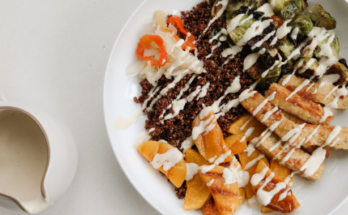
Baking and roasting are excellent techniques for those who prefer a more hands-off approach. Once the ingredients are prepared and placed in the oven, they require minimal supervision. This makes it easier to cook larger portions, which can be used for multiple meals. Roasting vegetables such as carrots, sweet potatoes, and broccoli enhances their natural sweetness and creates a satisfying texture. Baking fish or poultry with simple seasonings provides a nutritious protein option that pairs well with grains and vegetables.
Boiling and simmering are classic methods that remain useful for balanced eating. These techniques are ideal for preparing soups, stews, and grains like rice or quinoa. Soups and stews, in particular, offer a convenient way to combine various ingredients into a single dish. By including vegetables, legumes, and lean proteins, it is possible to create meals that are both comforting and nutrient-rich. Simmering allows flavors to develop gradually, resulting in dishes that feel hearty without requiring complex preparation.
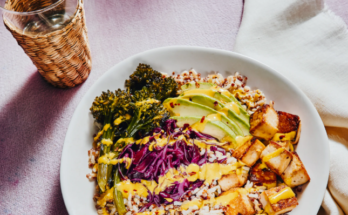
In addition to cooking methods, ingredient choices are essential for achieving balance. Incorporating a variety of food groups ensures that meals provide different nutrients. Vegetables and fruits add vitamins, minerals, and fiber, while proteins support muscle health and satiety. Whole grains contribute sustained energy, and healthy fats enhance both flavor and nutrient absorption. By combining these elements in simple ways, meals become more satisfying and well-rounded.
Portion awareness also supports balanced eating. It is not necessary to measure everything precisely, but being mindful of proportions can help create more consistent meals. A practical approach is to fill half the plate with vegetables, a quarter with protein, and the remaining quarter with whole grains or other carbohydrates. This visual guideline simplifies decision-making and helps maintain variety without strict rules.
Flavor is an important part of making balanced meals enjoyable. Using herbs, spices, and natural seasonings can transform simple ingredients into something exciting. Fresh herbs like basil, cilantro, or parsley can brighten a dish, while spices such as turmeric, paprika, or cumin add depth. Citrus juices and vinegars provide acidity that enhances flavor without adding excess calories. By experimenting with different combinations, it is possible to keep meals interesting and satisfying over time.
Time management is another factor that influences cooking habits. Setting aside even a short period for meal preparation can make a significant difference. Cooking in batches or preparing ingredients in advance reduces the need for last-minute decisions, which often lead to less balanced choices. Over time, these small efforts create a routine that supports consistent and mindful eating.
Flexibility is key when adopting easy cooking methods. There is no need for perfection or strict adherence to a specific plan. Instead, it is helpful to adapt recipes and techniques based on available ingredients and personal preferences. This approach encourages creativity and makes cooking more enjoyable. Substituting ingredients or adjusting seasonings allows meals to remain varied and appealing without requiring extensive effort.
Balanced eating is ultimately about creating sustainable habits that fit into everyday life. By focusing on simple cooking methods and practical strategies, it becomes easier to prepare meals that are both nutritious and satisfying. These methods reduce complexity while supporting a wide range of flavors and ingredients. Over time, they can help build confidence in the kitchen and make balanced eating a natural part of daily routines.
With a combination of basic techniques, thoughtful planning, and a willingness to experiment, anyone can develop an approach to cooking that supports balanced eating. The goal is not to achieve perfection but to create meals that nourish the body and bring enjoyment. By keeping things simple and approachable, healthy cooking becomes less of a challenge and more of a rewarding and sustainable practice.