Healthy cooking is often misunderstood as complicated, time-consuming, or lacking flavor. In reality, it can be one of the most enjoyable and rewarding parts of daily life when approached with the right mindset and a few practical habits. By focusing on simple techniques, fresh ingredients, and balanced choices, anyone can create meals that are both nourishing and satisfying without unnecessary stress.
At its core, healthy cooking begins with understanding ingredients. Fresh vegetables, fruits, whole grains, lean proteins, and natural fats form the foundation of balanced meals. These foods provide essential nutrients that support overall well-being while also offering vibrant flavors and textures. Choosing seasonal produce not only enhances taste but can also be more affordable and accessible.
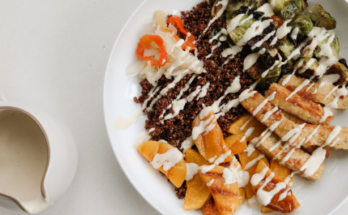
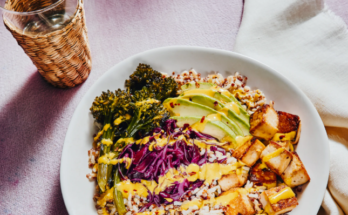
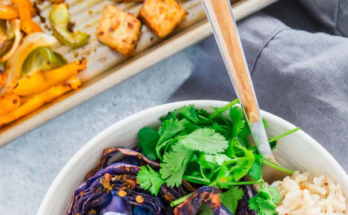
One of the easiest ways to simplify healthy cooking is by keeping meals uncomplicated. There is no need for overly complex recipes or hard-to-find ingredients. A combination of roasted vegetables, grilled protein, and a whole grain such as rice or quinoa can create a complete and delicious dish. Simple seasoning with herbs, spices, garlic, and citrus can elevate flavor without relying on excessive salt or processed sauces.
Preparation plays an important role in making healthy cooking manageable. Taking a small amount of time to plan meals for the week can reduce last-minute decisions that often lead to less balanced choices. Washing and chopping vegetables in advance, cooking grains in batches, or marinating proteins ahead of time can make it much easier to assemble meals quickly during busy days.
Cooking methods also influence both nutrition and taste. Techniques such as steaming, grilling, baking, and sautéing allow ingredients to retain their natural qualities while enhancing flavor. Using minimal oil and avoiding excessive frying can help maintain balance while still delivering satisfying results. When oil is used, choosing options like olive oil in moderate amounts can complement dishes beautifully.
Flavor is an essential part of healthy cooking, and it should never be sacrificed. Herbs like basil, cilantro, and parsley add freshness, while spices such as turmeric, cumin, and paprika bring warmth and depth. Ingredients like ginger, garlic, and lemon juice can transform simple meals into something memorable. By experimenting with different combinations, cooking becomes an enjoyable creative process rather than a routine task.
Another key aspect of healthy cooking is portion awareness. Rather than focusing on strict restrictions, it is more helpful to aim for balance on the plate. Including a variety of food groups in appropriate amounts ensures that meals are satisfying without being excessive. Listening to natural hunger and fullness cues can guide better choices over time.
Healthy cooking also benefits from flexibility. There is no single perfect way to prepare meals, and individual preferences should always be considered. Adapting recipes to suit personal taste, dietary needs, or available ingredients makes cooking more sustainable and enjoyable. Substituting ingredients, adjusting seasoning, or trying new cooking styles can keep meals interesting and prevent boredom.
For those new to cooking, starting small is often the best approach. Learning a few basic recipes and techniques builds confidence and makes the process less overwhelming. Gradually expanding skills over time allows for more variety and creativity in the kitchen. Even simple dishes like soups, stir-fries, or salads can become favorites when prepared with care and attention.
Time management is another important factor. Healthy meals do not need to take hours to prepare. Many dishes can be made in under thirty minutes with proper planning. One-pan meals, quick stir-fries, and simple grain bowls are excellent options for those with busy schedules. Slow cookers and other kitchen tools can also help by allowing meals to cook with minimal supervision.
In addition to physical health, cooking at home can have positive effects on overall lifestyle. It encourages mindfulness, creativity, and a sense of accomplishment. Sharing meals with family or friends can strengthen connections and create meaningful experiences. Even cooking alone can be a relaxing and enjoyable activity that provides a break from daily pressures.
Budget considerations are often a concern, but healthy cooking can be cost-effective. Buying whole ingredients, choosing seasonal produce, and reducing reliance on pre-packaged foods can help manage expenses. Cooking larger portions and saving leftovers for future meals is another practical way to reduce waste and save money.
It is also important to approach healthy cooking with a balanced perspective. Occasional treats or indulgent meals can be part of a normal routine without compromising overall habits. The goal is not perfection but consistency over time. By focusing on making better choices most of the time, healthy cooking becomes a natural and sustainable part of life.
Building a positive relationship with food is at the heart of this approach. Rather than viewing cooking as a chore or obligation, it can be seen as an opportunity to nourish the body and enjoy the process. Taking time to appreciate flavors, textures, and the effort involved can make meals more satisfying and meaningful.
In conclusion, healthy cooking does not need to be complicated or restrictive. With simple ingredients, practical techniques, and a flexible mindset, it is possible to create meals that are both delicious and nourishing. By embracing simplicity and enjoying the process, anyone can make healthy cooking an easy and rewarding part of everyday life.