Cooking at home has always been more than just a way to prepare food. It is a practical skill, a creative outlet, and for many people, a source of comfort and connection. Improving your meals does not necessarily require expensive ingredients or professional training. Instead, it often comes down to refining simple techniques, understanding how flavors work together, and building confidence in the kitchen. With a few thoughtful adjustments, everyday dishes can become more satisfying, balanced, and enjoyable.
One of the most effective ways to improve your cooking is to pay closer attention to preparation. Good meals often begin before the heat is even turned on. Taking time to properly wash, cut, and organize ingredients can make the entire cooking process smoother. Uniform cuts help food cook evenly, while proper storage keeps ingredients fresh and flavorful. When everything is ready before you begin cooking, you are less likely to rush or make mistakes, and the final result benefits from that care.
Heat control is another essential skill that can transform your meals. Many home cooks rely on high heat for speed, but not every dish benefits from that approach. Learning when to use low, medium, or high heat allows you to bring out the best in each ingredient. Gentle heat can help develop deeper flavors in soups and sauces, while a quick burst of higher heat can create a pleasant texture in sautéed vegetables or seared proteins. Paying attention to how food reacts in the pan, including sounds and aromas, can guide you toward better results.
Seasoning is often what separates an average meal from a memorable one. Salt is not just about making food taste salty; it enhances natural flavors and balances other ingredients. Adding seasoning gradually throughout the cooking process rather than all at once can lead to a more complex and satisfying taste. Herbs and spices also play an important role. Fresh herbs can brighten a dish, while dried spices add depth and warmth. Experimenting with different combinations can help you discover flavors that suit your personal preferences.
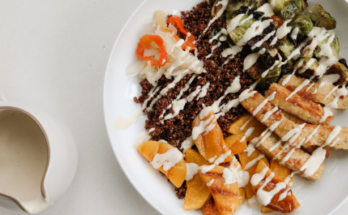
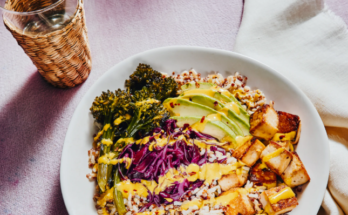
Another important technique is understanding texture. A well-prepared meal often includes a variety of textures that make it more enjoyable to eat. Combining crisp, tender, and creamy elements in one dish creates contrast and interest. For example, pairing a smooth sauce with lightly crisped vegetables or adding a crunchy topping to a soft dish can elevate the overall experience. Small touches like these can make a noticeable difference without requiring major changes to your recipe.
Timing is closely linked to both flavor and texture. Adding ingredients at the right moment ensures that each component is cooked properly. Some foods benefit from longer cooking times, while others should be added near the end to preserve their freshness. For instance, delicate vegetables can lose their color and texture if overcooked, while tougher cuts of meat may need more time to become tender. Being mindful of timing helps maintain balance and prevents overcooking or undercooking.
Using quality ingredients also contributes significantly to better meals. This does not mean you need the most expensive options, but choosing fresh and well-sourced items can improve both flavor and nutrition. Seasonal produce often tastes better because it is harvested at the right time, and it can also be more affordable. Paying attention to ingredient quality allows you to rely less on heavy seasoning or complex techniques to achieve good results.
Tasting your food as you cook is a simple habit that can greatly improve your outcomes. Flavors can change during the cooking process, and tasting allows you to adjust seasoning or texture before the dish is finished. This step helps prevent surprises and gives you more control over the final result. Over time, tasting regularly can also help you develop a better sense of balance and proportion.
Presentation is another aspect that should not be overlooked. While taste is the most important factor, the way food looks can influence how it is perceived. Taking a moment to arrange your meal neatly or add a touch of color can make it more inviting. Simple steps like wiping the edge of a plate or garnishing with fresh herbs can create a more appealing dish without adding complexity.
Consistency in practice is key to long-term improvement. Cooking regularly allows you to refine your skills and build confidence. Each meal is an opportunity to learn something new, whether it is adjusting a technique, trying a different ingredient, or improving timing. Mistakes are part of the process, and they often lead to valuable insights that help you grow as a cook.
Finally, enjoying the process is just as important as the outcome. When cooking feels like a task, it can be difficult to stay motivated. Approaching it with curiosity and a willingness to experiment can make it more enjoyable. Trying new methods or revisiting familiar recipes with a fresh perspective can keep things interesting and rewarding.
Improving your meals does not require drastic changes or complicated steps. By focusing on preparation, heat control, seasoning, texture, timing, and ingredient quality, you can gradually enhance your cooking in a natural and sustainable way. Over time, these techniques become habits, and the effort you put in begins to show in every dish you prepare.