Starting a journey into healthy cooking can feel intimidating, especially if you are new to the kitchen. Many beginners worry about complicated recipes, expensive ingredients, or making mistakes. The truth is that healthy cooking does not need to be difficult or overwhelming. With a few basic principles and a willingness to experiment, anyone can prepare meals that are both nourishing and enjoyable.
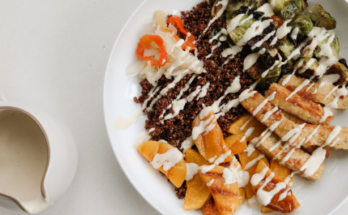
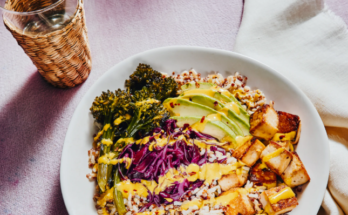
Healthy cooking begins with understanding what “simple” really means. It is not about creating elaborate dishes or following strict rules. Instead, it is about choosing whole ingredients, preparing them in straightforward ways, and building habits that are easy to maintain. Fresh vegetables, fruits, grains, proteins, and healthy fats form the foundation of balanced meals. When these ingredients are combined thoughtfully, even the most basic dish can be satisfying.
One of the most helpful steps for beginners is to keep the kitchen stocked with versatile staples. Items like rice, oats, eggs, beans, frozen vegetables, and cooking oils provide endless possibilities. These ingredients are affordable, easy to store, and adaptable to many recipes. Having them on hand reduces the temptation to rely on processed or convenience foods, which often contain high levels of salt, sugar, or additives.
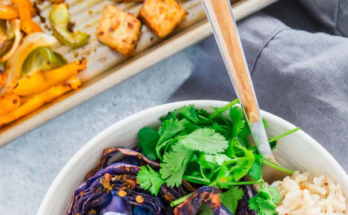
Learning a few basic cooking techniques can make a significant difference. Techniques such as boiling, steaming, sautéing, and baking are simple to master and do not require special equipment. For example, steaming vegetables helps preserve their nutrients and natural flavor, while sautéing with a small amount of oil can bring out richness without making a dish heavy. Baking is another beginner-friendly method that allows you to cook proteins and vegetables together with minimal effort.
Planning meals ahead of time can also make healthy cooking more manageable. When you know what you are going to cook, you are less likely to feel stressed or make last-minute choices that may not align with your goals. A simple weekly plan with a few go-to recipes can provide structure without feeling restrictive. Preparing ingredients in advance, such as chopping vegetables or cooking grains, can save time during busy days.
Flavor is an important part of healthy cooking, and it does not have to come from excessive salt or sugar. Herbs, spices, garlic, onions, and citrus can add depth and brightness to meals. Experimenting with different seasonings can help you discover combinations that you enjoy. Over time, your taste preferences may shift toward more natural flavors, making it easier to appreciate the quality of whole foods.
Portion awareness is another key aspect of healthy cooking. It is not necessary to measure everything precisely, but being mindful of balance can help you create meals that are satisfying without being excessive. A simple approach is to fill half your plate with vegetables, a quarter with protein, and a quarter with whole grains or other carbohydrates. This guideline is flexible and can be adjusted based on your needs and preferences.
For beginners, it is important to keep expectations realistic. Not every meal will turn out perfectly, and that is part of the learning process. Mistakes can be valuable opportunities to improve and gain confidence. Starting with easy recipes and gradually trying new dishes can build skills over time. Cooking should feel approachable rather than stressful.
Another helpful strategy is to focus on consistency rather than perfection. Preparing simple meals at home regularly can have a greater impact than occasionally attempting complex recipes. Even small changes, such as cooking one extra meal at home each week, can contribute to healthier habits. Over time, these small steps can lead to meaningful progress.
Healthy cooking also involves paying attention to how food makes you feel. Meals that are balanced and made with whole ingredients can support energy levels and overall well-being. Taking time to enjoy your food, rather than rushing through meals, can enhance the experience and help you develop a positive relationship with cooking.
Budget considerations are often a concern for beginners, but healthy cooking does not have to be expensive. Choosing seasonal produce, buying in bulk, and using frozen fruits and vegetables can help reduce costs. Simple dishes made from basic ingredients are often more affordable than processed or prepackaged options. Cooking at home also allows you to control portions and reduce waste.
It is also useful to create a comfortable cooking environment. Keeping your kitchen organized and having essential tools within reach can make the process more enjoyable. Basic tools such as a good knife, a cutting board, and a few pots and pans are enough to get started. As your confidence grows, you can gradually expand your collection if needed.
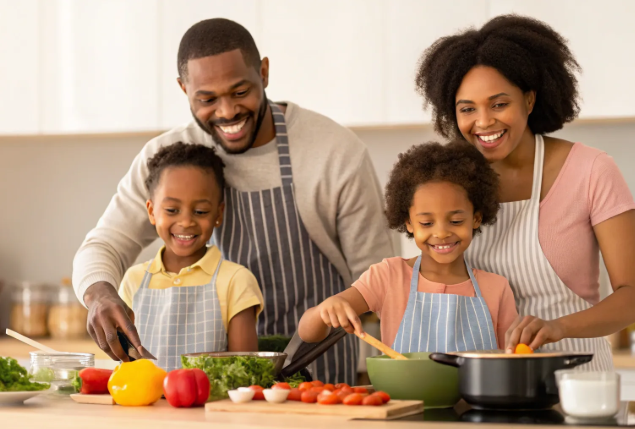
Support and inspiration can make a difference as well. Watching cooking videos, reading recipes, or sharing meals with friends and family can help you stay motivated. Learning from others and exchanging ideas can introduce you to new flavors and techniques. Cooking does not have to be a solitary activity; it can be a way to connect with others.
Finally, remember that healthy cooking is a personal journey. There is no single “right” way to do it. What matters most is finding an approach that fits your lifestyle and preferences. By starting with simple steps, staying curious, and practicing regularly, you can build confidence in the kitchen and enjoy the benefits of preparing your own meals.
Over time, what once seemed challenging can become second nature. Simple healthy cooking is not about perfection or strict rules. It is about making thoughtful choices, enjoying the process, and creating meals that support your well-being.