In a fast-moving world where time often feels limited, the idea of cooking healthy meals every day can seem overwhelming. Many people imagine that eating well requires complicated recipes, expensive ingredients, or hours in the kitchen. In reality, simple healthy cooking is not about perfection or strict rules. It is about making small, practical choices that support your well-being while fitting naturally into your daily routine.
At its core, healthy cooking begins with a mindset shift. Instead of viewing food preparation as a chore, it can be seen as a form of self-care. Preparing your own meals gives you control over what goes into your body, allowing you to choose fresh ingredients and balanced portions. This does not mean every meal has to be elaborate. Even the simplest dishes can provide nourishment and satisfaction when made with intention.
One of the easiest ways to start is by focusing on whole ingredients. Fresh vegetables, fruits, grains, legumes, eggs, and lean proteins are the foundation of a balanced diet. These foods are naturally rich in nutrients and can be prepared in countless ways. For example, a quick stir-fry with seasonal vegetables and a protein source can be ready in minutes while delivering flavor and nutrition. Similarly, a bowl of rice with sautéed greens and a simple sauce can be both comforting and wholesome.
Planning plays a key role in maintaining a healthy cooking routine. Without a plan, it is easy to rely on convenient but less nutritious options. Taking a little time at the beginning of the week to think about meals can make a big difference. This does not require strict scheduling. Even a loose idea of what you might cook helps reduce stress and saves time. Keeping a few staple ingredients at home ensures that you can always prepare something nourishing, even on busy days.
Another important aspect is simplicity in cooking methods. Healthy meals do not need complex techniques. Steaming, boiling, grilling, and sautéing are all straightforward ways to prepare food while preserving nutrients. Using minimal oil and avoiding excessive salt or sugar allows the natural flavors of ingredients to shine. Herbs, spices, garlic, and citrus can enhance taste without adding unnecessary additives.
Time-saving strategies can also make healthy cooking more accessible. Preparing ingredients in advance, such as washing vegetables or cooking grains in bulk, helps reduce effort during the week. Leftovers can be transformed into new meals, preventing waste and saving time. For instance, cooked vegetables from one meal can be added to a soup or mixed into a salad the next day. This approach not only simplifies cooking but also encourages creativity in the kitchen.
Portion awareness is another helpful habit. Eating balanced portions ensures that meals provide enough energy without excess. A simple way to think about this is to include a mix of vegetables, protein, and carbohydrates in each meal. This combination helps maintain energy levels and keeps you feeling satisfied. Drinking enough water throughout the day also supports overall health and complements a balanced diet.
Healthy cooking does not mean giving up foods you enjoy. Instead, it is about finding balance and moderation. Occasional treats can be part of a healthy lifestyle when enjoyed mindfully. The goal is not restriction but consistency. When most meals are made with wholesome ingredients, there is room for flexibility without compromising overall well-being.
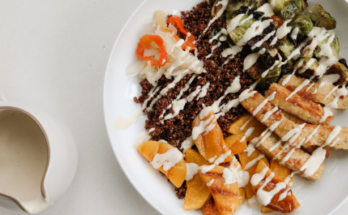
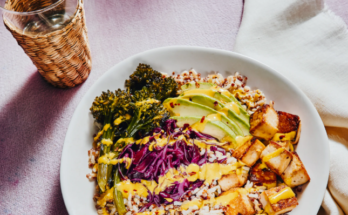
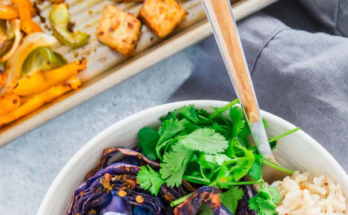
For those who feel inexperienced in the kitchen, starting small is key. Learning a few basic recipes can build confidence over time. Simple dishes like vegetable soups, omelets, or grain bowls are easy to prepare and can be adapted based on available ingredients. As confidence grows, experimenting with new flavors and techniques becomes more enjoyable.
Creating a pleasant cooking environment can also make a difference. A clean and organized kitchen, along with a calm atmosphere, helps turn cooking into a more enjoyable experience. Playing music or involving family members can make meal preparation feel less like a task and more like a shared activity. This positive approach encourages consistency and makes healthy cooking a natural part of daily life.
Budget considerations are often a concern when it comes to healthy eating. However, simple healthy cooking can be affordable. Buying seasonal produce, choosing local ingredients, and limiting processed foods can help manage costs. Staples like rice, beans, and vegetables are often inexpensive and versatile. Cooking at home also reduces the need for dining out, which can be more costly over time.
Listening to your body is an essential part of maintaining a healthy relationship with food. Paying attention to hunger and fullness cues helps guide portion sizes and meal timing. Eating slowly and mindfully allows you to enjoy your meals and recognize when you are satisfied. This awareness supports both physical health and a positive mindset around food.
Consistency is more important than perfection. There will be days when cooking feels difficult or time is limited. On those days, simple solutions like a quick sandwich with fresh ingredients or a bowl of fruit and yogurt can still provide nourishment. The goal is to make choices that support your well-being as often as possible, without added pressure.
Over time, small changes in daily cooking habits can lead to meaningful improvements in overall health. Preparing meals at home encourages better ingredient choices, reduces reliance on heavily processed foods, and fosters a deeper connection with what you eat. These benefits extend beyond physical health, contributing to a sense of accomplishment and balance in everyday life.
Simple healthy cooking is not about following strict rules or achieving a perfect diet. It is about creating a sustainable approach that works for you. By focusing on fresh ingredients, practical methods, and a positive mindset, it becomes possible to enjoy nutritious meals without stress. With time and consistency, healthy cooking can become a natural and rewarding part of daily life, supporting both your body and your overall sense of well-being.