Healthy cooking is not about strict rules, expensive ingredients, or sacrificing flavor. It is about making thoughtful choices that improve the quality of your meals while still enjoying the process of eating and preparing food. When you approach cooking with health in mind, you create dishes that nourish your body, support long-term wellness, and bring satisfaction to everyday life.
One of the most important aspects of healthier cooking is understanding your ingredients. Fresh, whole foods tend to provide more nutrients and fewer additives than heavily processed options. Choosing vegetables, fruits, whole grains, lean proteins, and natural fats gives your meals a strong foundation. These ingredients not only support better health but also offer richer flavors and textures that make meals more enjoyable.
Cooking methods also play a significant role in the healthfulness of your meals. Techniques such as steaming, baking, grilling, and sautéing with minimal oil help preserve nutrients and reduce unnecessary fats. For example, steaming vegetables helps retain their vitamins and natural color, while grilling can add a smoky depth of flavor without requiring heavy sauces. By adjusting how you cook rather than what you cook, you can make familiar meals healthier without losing their appeal.
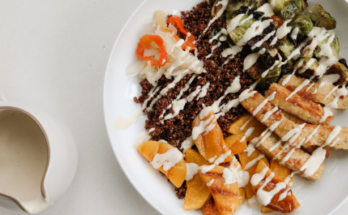
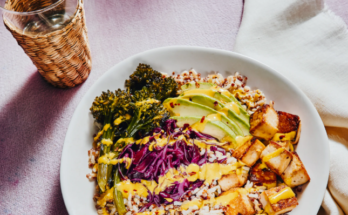
Another key element is balance. A well-rounded meal includes a mix of nutrients that work together to fuel your body. Combining protein, healthy fats, and complex carbohydrates can help maintain energy levels and keep you feeling satisfied. For instance, pairing grilled chicken with brown rice and a variety of vegetables creates a meal that is both filling and nourishing. Balance does not mean perfection; it means making choices that support your overall well-being over time.
Portion awareness is equally important. Even nutritious foods can become less beneficial when consumed in excessive amounts. Paying attention to portion sizes allows you to enjoy a wide range of foods without overindulging. This does not require strict measuring or restriction. Instead, it involves listening to your body and recognizing when you are comfortably full.
Flavor is often a concern when transitioning to healthier cooking, but it does not need to be compromised. Herbs, spices, citrus, and natural seasonings can enhance taste without relying on excessive salt or sugar. Ingredients like garlic, ginger, basil, and turmeric add depth and complexity to dishes while also offering potential health benefits. Experimenting with different combinations can make cooking more creative and enjoyable.
Reducing added sugars and excessive sodium is another effective way to improve your meals. Many packaged foods contain hidden amounts of these ingredients, which can impact overall health when consumed regularly. Preparing meals at home gives you greater control over what goes into your food. Simple swaps, such as using fresh fruit instead of sugary desserts or seasoning with herbs instead of salt, can make a meaningful difference over time.
Healthy cooking also benefits from planning and preparation. Taking a little time to organize meals for the week can help you make better choices and avoid last-minute decisions that may not align with your goals. Preparing ingredients in advance, such as chopping vegetables or cooking grains, makes it easier to assemble meals quickly. This approach supports consistency without adding stress to your routine.
Hydration and cooking are closely connected as well. Many healthy meals include water-rich ingredients like vegetables, soups, and fruits, which contribute to overall fluid intake. Cooking methods that retain moisture, such as stewing or simmering, can enhance both flavor and hydration. Drinking enough water alongside balanced meals further supports digestion and overall health.
Cultural and personal preferences should always be respected in healthier cooking. Every cuisine offers opportunities to prepare nutritious meals while honoring tradition. Small adjustments, such as reducing oil, incorporating more vegetables, or choosing whole grains, can enhance the healthfulness of traditional dishes without losing their identity. This approach ensures that healthy cooking remains inclusive and adaptable.
Mindful eating is another valuable aspect of better meals. Taking the time to enjoy your food, appreciate its flavors, and eat without distractions can improve satisfaction and prevent overeating. Cooking at home naturally encourages this practice, as you become more connected to the ingredients and the effort involved in preparing your meals.
It is also helpful to view healthier cooking as a gradual process rather than an immediate transformation. Making small, consistent changes is often more sustainable than attempting to overhaul your diet all at once. For example, you might start by adding an extra serving of vegetables to your meals or choosing whole grains instead of refined ones. Over time, these changes can become habits that contribute to lasting benefits.
Kitchen tools and techniques can support healthier cooking as well. Nonstick cookware, for instance, allows you to use less oil, while sharp knives make it easier to prepare fresh ingredients efficiently. Simple tools like steamers, blenders, and baking sheets can expand your cooking options and encourage variety in your meals.
Budget considerations are also important when discussing healthier cooking. Eating well does not require expensive ingredients. Seasonal produce, bulk grains, and local markets often provide affordable options that are both nutritious and flavorful. Planning meals around what is available and reasonably priced can help you maintain a healthy approach without unnecessary expense.
Family and community can play a positive role in building healthier cooking habits. Sharing meals with others encourages connection and can make the experience more enjoyable. Involving family members in meal preparation also helps build skills and awareness around food choices. Cooking together can turn healthy eating into a shared and rewarding activity.
Ultimately, better meals through healthier cooking come from a combination of knowledge, creativity, and consistency. By focusing on fresh ingredients, balanced meals, thoughtful preparation, and enjoyable flavors, you can create dishes that support both your health and your lifestyle. The goal is not perfection but progress, making choices that feel good and are sustainable over time.
Healthy cooking is an ongoing journey that evolves with your preferences, needs, and experiences. With each meal, you have an opportunity to nourish your body and explore new ways to enjoy food. By embracing this approach, you can build a lasting relationship with cooking that enhances your well-being and adds value to your everyday life.