Losing belly fat is a goal many people share, but it is often surrounded by unrealistic promises and quick-fix solutions that rarely deliver lasting results. The truth is that reducing belly fat takes time, consistency, and a balanced approach that supports your overall health. Instead of chasing extreme diets or miracle workouts, a more practical and sustainable path can help you achieve real progress while maintaining your well-being.
Understanding belly fat is an important first step. Fat stored around the abdominal area includes both subcutaneous fat, which sits just under the skin, and visceral fat, which surrounds internal organs. While subcutaneous fat is more visible, visceral fat is more closely linked to health risks. This means that losing belly fat is not just about appearance, but also about improving long-term health.
One of the most important factors in losing belly fat is creating a calorie balance that supports gradual fat loss. This does not mean starving yourself or following overly restrictive diets. Instead, it involves being mindful of how much you eat and choosing foods that keep you satisfied. Meals that include lean proteins, whole grains, healthy fats, and plenty of fruits and vegetables can help regulate appetite and provide essential nutrients. When your body receives balanced nutrition, it becomes easier to maintain consistent eating habits without feeling deprived.
Another key aspect is reducing added sugars and highly processed foods. Sugary drinks, packaged snacks, and refined carbohydrates can contribute to excess calorie intake without providing lasting fullness. Replacing these with whole, minimally processed options can make a noticeable difference over time. Simple changes such as drinking water instead of sugary beverages or choosing home-cooked meals more often can support your progress without requiring drastic lifestyle changes.
Physical activity plays a major role in reducing belly fat, but it does not have to be extreme or exhausting. Consistency matters more than intensity, especially for long-term results. A combination of cardiovascular exercise and strength training can be particularly effective. Activities like walking, cycling, or swimming help burn calories, while strength training builds muscle, which can increase your resting metabolism. Even moderate daily movement can contribute significantly when practiced regularly.
It is also important to understand that targeted fat loss, often referred to as spot reduction, is not a reliable strategy. Doing endless abdominal exercises alone will not specifically burn fat from your belly. However, core exercises can still strengthen your muscles and improve posture, which may enhance your overall appearance as you lose fat across your body. A full-body approach to exercise is more effective for reducing overall fat levels, including in the abdominal area.
Sleep and stress management are often overlooked but are essential components of fat loss. Poor sleep can disrupt hormones that regulate hunger and appetite, leading to increased cravings and overeating. Similarly, chronic stress can raise cortisol levels, which may contribute to fat storage around the abdomen. Prioritizing quality sleep and finding healthy ways to manage stress, such as relaxation techniques or regular physical activity, can support your efforts in a meaningful way.
Hydration is another simple but impactful factor. Drinking enough water throughout the day can help regulate appetite, improve digestion, and support overall bodily functions. Sometimes thirst can be mistaken for hunger, leading to unnecessary calorie intake. Staying well hydrated can help you make more mindful eating choices.
Patience is crucial when working toward losing belly fat. Rapid weight loss methods may seem appealing, but they are often difficult to maintain and can lead to cycles of losing and regaining weight. A gradual approach allows your body to adapt and helps you build habits that last. Tracking progress through how you feel, how your clothes fit, or your energy levels can be more motivating than focusing only on the scale.
It is also helpful to set realistic expectations. Everyone’s body is different, and factors such as genetics, age, and lifestyle can influence how and where fat is stored and lost. Comparing your progress to others can lead to frustration and may not reflect your unique situation. Focusing on your own journey and celebrating small improvements can keep you motivated and consistent.
Consistency does not mean perfection. There will be days when your routine is disrupted or when you make choices that do not align with your goals. What matters is your ability to return to your healthy habits without guilt or discouragement. A flexible mindset allows you to maintain balance and prevents the all-or-nothing thinking that can derail long-term progress.
Social support can also make a difference. Sharing your goals with friends or family members, or even finding a community with similar objectives, can provide encouragement and accountability. Having people who understand your journey can make the process feel less overwhelming and more enjoyable.
In addition to lifestyle changes, it is important to be cautious of misleading claims. Products or programs that promise rapid belly fat loss with minimal effort are often not supported by evidence and may not be safe or effective. A sustainable approach based on balanced nutrition, regular activity, and healthy habits is more reliable and aligns with general health recommendations.
As you continue your journey, it is helpful to focus on overall health rather than just appearance. Improvements in energy, strength, sleep quality, and mood are all valuable indicators of progress. Losing belly fat can be part of a broader effort to feel better and support your long-term well-being.
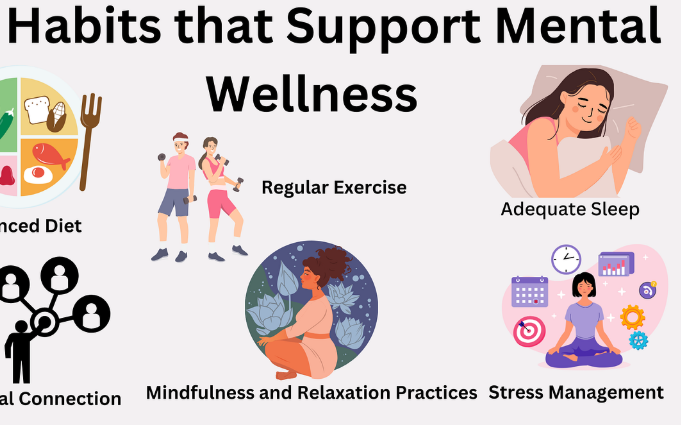
Ultimately, losing belly fat is not about quick fixes or perfection. It is about making consistent, realistic choices that you can maintain over time. By focusing on balanced eating, regular movement, adequate rest, and stress management, you can create a sustainable lifestyle that supports both your physical and mental health. With patience and persistence, meaningful progress is achievable, and the benefits extend far beyond the number on the scale.