Reducing belly fat is a common goal for many people, not only for appearance but also for overall health. Excess fat around the abdomen has been linked to a higher risk of certain health conditions, so understanding how to manage it in a balanced and sustainable way is important. The good news is that belly fat reduction does not require extreme measures or unrealistic routines. With consistent habits and a clear understanding of the basics, anyone can make meaningful progress over time.
The first thing to understand is that there is no quick fix for targeting fat in a specific area of the body. The idea of “spot reduction” is widely misunderstood. While exercises can strengthen and tone abdominal muscles, reducing belly fat requires a broader approach that involves overall fat loss. This happens when the body uses more energy than it takes in, creating a calorie deficit. The key is to achieve this in a healthy and steady way rather than through restrictive or unsustainable methods.
Nutrition plays a central role in reducing belly fat. Choosing whole, nutrient-rich foods can support both fat loss and overall well-being. Foods such as vegetables, fruits, whole grains, lean proteins, and healthy fats provide essential nutrients while helping you feel satisfied. Highly processed foods, sugary drinks, and excessive amounts of refined carbohydrates can contribute to weight gain, especially around the midsection. Moderation is important, and making gradual changes to eating habits often leads to better long-term results than strict dieting.
Portion awareness is another helpful aspect of managing calorie intake. Even healthy foods can contribute to weight gain if consumed in large quantities. Paying attention to hunger and fullness cues can help guide more mindful eating. Eating slowly and without distractions allows the body to signal when it has had enough, reducing the likelihood of overeating.
Physical activity is equally important when it comes to belly fat reduction. A combination of cardiovascular exercise and strength training tends to be the most effective approach. Activities such as walking, jogging, cycling, or swimming can help burn calories and improve heart health. Strength training, on the other hand, builds muscle, which can increase metabolism and support fat loss over time. Including core exercises can help strengthen the abdominal muscles, contributing to a more toned appearance as overall fat decreases.
Consistency matters more than intensity. It is not necessary to spend hours exercising every day. Regular, moderate activity performed several times a week can lead to noticeable improvements. Finding activities that you enjoy can make it easier to stay consistent and maintain an active lifestyle in the long run.
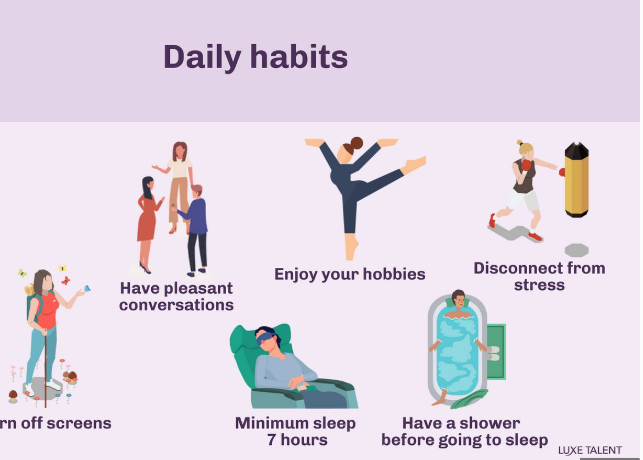
Sleep and stress management are often overlooked but play a significant role in belly fat accumulation. Poor sleep can disrupt hormones that regulate appetite, leading to increased cravings and overeating. Chronic stress can also affect the body in ways that encourage fat storage, particularly around the abdomen. Prioritizing good sleep habits and finding healthy ways to manage stress, such as relaxation techniques or hobbies, can support your efforts.
Hydration is another simple yet effective factor. Drinking enough water throughout the day can support metabolism and help control appetite. Sometimes thirst can be mistaken for hunger, leading to unnecessary calorie intake. Replacing sugary beverages with water or other low-calorie options can also reduce overall calorie consumption.
It is important to approach belly fat reduction with realistic expectations. Progress may be gradual, and results can vary from person to person. Factors such as age, genetics, and lifestyle all play a role. Instead of focusing solely on the scale or appearance, it can be helpful to track other signs of progress, such as increased energy levels, improved fitness, or better overall health.
Sustainable habits are more effective than temporary changes. Quick solutions that promise rapid results often lead to disappointment and may not support long-term health. Building a routine that includes balanced eating, regular movement, adequate rest, and stress management can create lasting benefits. Small, consistent steps can lead to meaningful changes over time.
Support and motivation can also make a difference. Sharing your goals with friends or family, or even keeping a personal journal, can help you stay accountable and focused. Celebrating small achievements along the way can boost confidence and encourage continued effort.
In summary, reducing belly fat involves a combination of healthy eating, regular physical activity, sufficient sleep, and stress management. There is no need for extreme measures or complicated plans. By focusing on simple, sustainable habits, you can work toward your goals in a way that supports both your physical health and overall well-being.