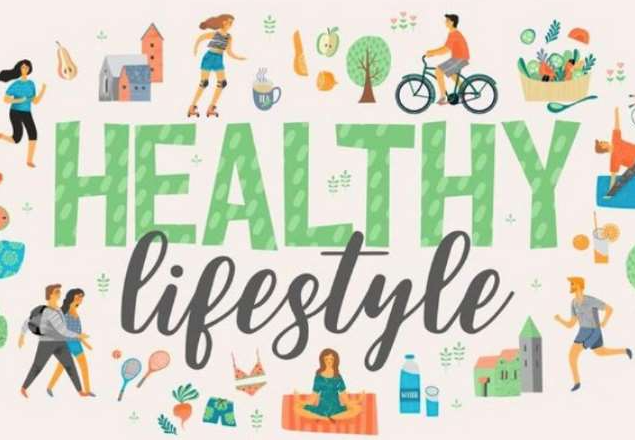
Belly fat is something many people think about at some point in their lives. Whether it is for health reasons, comfort, or confidence, the desire to feel better in one’s own body is completely natural. The good news is that reducing belly fat does not have to involve extreme diets, harsh routines, or unrealistic expectations. A friendly, balanced approach can be both effective and sustainable, helping you build habits that support your well-being over time.
To begin with, it is important to understand that belly fat is not just about appearance. There are different types of fat in the abdominal area, including subcutaneous fat, which sits under the skin, and visceral fat, which surrounds internal organs. While both can be reduced with healthy habits, visceral fat is more closely linked to health risks. This is why a gentle, consistent lifestyle approach is often more valuable than quick fixes that promise rapid results.
One of the most helpful starting points is nutrition. Instead of focusing on strict dieting, think about making small, positive changes to your daily meals. Eating more whole foods such as fruits, vegetables, lean proteins, and whole grains can naturally support fat reduction. These foods tend to be more filling and provide the nutrients your body needs to function well. Reducing highly processed foods, sugary drinks, and excessive refined carbohydrates can also make a noticeable difference over time.
Portion awareness is another simple but powerful habit. You do not need to eliminate your favorite foods, but paying attention to how much you eat can help create a balanced intake. Eating slowly and listening to your body’s hunger and fullness cues can prevent overeating without feeling restrictive. This mindful approach often leads to a healthier relationship with food, which is just as important as the food itself.
Physical activity plays a key role in reducing belly fat, but it does not have to feel like a chore. The most effective exercise is the one you enjoy enough to do regularly. This could be walking, dancing, swimming, cycling, or even playing a sport. Consistency matters more than intensity at the beginning. A daily walk, for example, can gradually improve metabolism and support fat loss when combined with healthy eating habits.
Strength training is another valuable addition. Building muscle helps increase your resting metabolism, meaning your body burns more energy even when you are not exercising. You do not need a gym membership to get started. Simple bodyweight exercises like squats, push-ups, and planks can be done at home and adjusted to your fitness level. Over time, these exercises can help tone your body and support overall fat reduction, including around the midsection.
Stress is often overlooked but can have a significant impact on belly fat. When stress levels are high, the body produces hormones that may encourage fat storage, particularly in the abdominal area. Finding ways to manage stress in a healthy way can therefore be very beneficial. Activities such as deep breathing, meditation, spending time in nature, or engaging in hobbies you enjoy can help create a sense of balance and calm.
Sleep is another important factor that deserves attention. Poor sleep can affect hormones related to hunger and appetite, making it easier to overeat and harder to stay active. Aim for a consistent sleep schedule and create a relaxing bedtime routine. Even small improvements in sleep quality can support your overall efforts to reduce belly fat.
Hydration is a simple yet often underestimated habit. Drinking enough water throughout the day helps support digestion, energy levels, and overall health. Sometimes, thirst can be mistaken for hunger, leading to unnecessary snacking. Keeping a water bottle nearby can serve as a gentle reminder to stay hydrated.
It is also helpful to set realistic expectations. Belly fat reduction does not happen overnight, and that is perfectly okay. Quick results are often difficult to maintain, while gradual changes tend to last longer. Celebrate small victories along the way, such as feeling more energetic, sleeping better, or noticing improved endurance during physical activity. These positive signs indicate that your body is responding well to your efforts.
Social support can make a big difference as well. Sharing your goals with friends or family members, or even joining a community with similar interests, can provide encouragement and accountability. When you feel supported, it becomes easier to stay consistent and motivated.
Another friendly approach is to avoid negative self-talk. It is easy to become critical of your body, especially when progress feels slow. However, treating yourself with kindness and patience can improve both your mental and physical well-being. Focus on what your body can do rather than only how it looks. This shift in perspective often leads to healthier and more sustainable habits.
Consistency truly is the foundation of success in reducing belly fat. Small, manageable actions performed regularly will always be more effective than drastic changes that are hard to maintain. Think of your journey as a series of steps rather than a single destination. Each healthy choice you make contributes to your overall progress.
It is also worth remembering that everyone’s body is different. Factors such as age, genetics, and lifestyle can influence how and where your body stores fat. Comparing yourself to others can create unnecessary pressure. Instead, focus on your own progress and what works best for you.
In the long run, a friendly approach to belly fat reduction is about creating a lifestyle that supports your health and happiness. It is not about perfection, but about balance. By combining mindful eating, enjoyable movement, stress management, good sleep, and self-compassion, you can achieve meaningful and lasting results.
This approach not only helps reduce belly fat but also improves overall well-being. You may find that you feel more confident, energized, and comfortable in your daily life. These benefits go far beyond physical appearance and contribute to a healthier, more positive outlook.
Taking the first step does not require a complete overhaul of your routine. Start small, stay consistent, and be patient with yourself. Over time, these gentle changes can lead to significant improvements, helping you feel your best in a way that is both realistic and sustainable.