Improving your waistline is a goal many people share, but the journey toward it can feel confusing or overwhelming without the right guidance. The good news is that supporting your waistline does not require extreme diets, unrealistic routines, or quick fixes. Instead, it comes down to building sustainable habits that work with your lifestyle and help you feel better over time. By focusing on balance, consistency, and realistic expectations, you can make meaningful progress while maintaining your overall well-being.
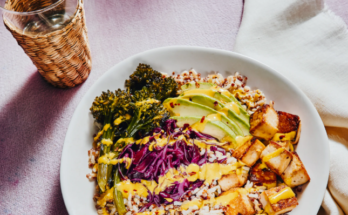
One of the most effective ways to support your waistline is by paying attention to your daily eating patterns. This does not mean restricting yourself harshly or eliminating entire food groups. Rather, it involves becoming more aware of portion sizes and choosing foods that nourish your body. Meals rich in vegetables, lean proteins, whole grains, and healthy fats can help you feel satisfied for longer periods. When you feel full and energized, you are less likely to overeat or reach for less nutritious options.
Hydration is another often overlooked factor. Drinking enough water throughout the day can support your metabolism and help regulate appetite. Sometimes, feelings of hunger are actually signs of dehydration. By keeping a water bottle nearby and sipping regularly, you create a simple habit that supports your broader goals without adding stress to your routine.
Physical activity also plays a key role in supporting your waistline. You do not need an intense workout plan to see benefits. Regular movement, such as walking, stretching, or engaging in activities you enjoy, can make a significant difference over time. The goal is to find something sustainable. When exercise feels like a natural part of your day rather than a chore, you are more likely to stick with it long term.
Sleep and stress management are equally important but are often underestimated. Poor sleep can disrupt hormones that regulate hunger and appetite, making it harder to maintain healthy habits. Similarly, high stress levels can lead to emotional eating or cravings for comfort foods. Creating a consistent sleep schedule and finding simple ways to relax, such as reading, light stretching, or quiet time, can help support your efforts in a meaningful way.
It is also helpful to set realistic and flexible goals. Instead of focusing only on a number, consider how you want to feel. Increased energy, improved confidence, and better overall health are valuable indicators of progress. When your goals are centered around well-being rather than perfection, the process becomes more positive and sustainable.
Mindful eating can further enhance your results. Taking the time to enjoy your meals without distractions allows you to better recognize hunger and fullness cues. Eating slowly and appreciating flavors can help prevent overeating and make meals more satisfying. This approach encourages a healthier relationship with food, which is essential for long-term success.
Consistency is often more important than intensity. Small, steady changes tend to produce lasting results. For example, adding one extra serving of vegetables per day, taking short walks regularly, or reducing sugary drinks can gradually support your waistline without feeling overwhelming. Over time, these small actions build momentum and become part of your lifestyle.
It is also important to be patient with yourself. Progress may not always be linear, and that is completely normal. There may be days when your routine is disrupted or when motivation feels low. What matters most is your ability to return to your habits without guilt. A flexible mindset helps you stay on track without unnecessary pressure.
Social support can make a positive difference as well. Sharing your goals with friends or family members can provide encouragement and accountability. Even simple conversations about your progress can help you stay motivated. Being part of a supportive environment reinforces your commitment and reminds you that you are not alone in your journey.
Another useful strategy is to plan ahead. Preparing meals in advance or having healthy snacks available can help you make better choices during busy moments. When nutritious options are easily accessible, you reduce the likelihood of turning to less balanced alternatives. Planning does not need to be complicated; even small steps can make your day smoother and more aligned with your goals.
Listening to your body is an essential part of this process. Everyone’s needs are different, and what works for one person may not work for another. Paying attention to how your body responds to certain foods, activities, and routines can help you make adjustments that suit you best. This personalized approach ensures that your efforts are both effective and sustainable.
Maintaining a positive mindset is equally important. Instead of focusing on limitations, try to view your journey as an opportunity to build healthier habits and improve your quality of life. Celebrating small achievements along the way can boost your confidence and keep you motivated. Each step forward, no matter how small, contributes to your overall progress.
Finally, remember that supporting your waistline is not about perfection. It is about creating a balanced approach that you can maintain over time. By combining thoughtful nutrition, regular movement, proper rest, and a positive outlook, you can build a foundation that supports both your physical and mental well-being.
With patience and consistency, these simple strategies can help you move closer to your goals in a way that feels natural and sustainable.