Fat loss is often portrayed as a quick transformation, but in reality it is a gradual process that benefits from consistency, patience, and realistic expectations. Rather than focusing on extreme diets or intense short-term efforts, sustainable fat loss comes from small, practical habits that fit naturally into daily life. By approaching the process with balance and care, it becomes easier to maintain results and support overall well-being.
One of the most effective ways to support fat loss is by building awareness around eating habits. This does not require strict calorie counting or eliminating entire food groups. Instead, it can begin with paying attention to hunger and fullness cues. Eating slowly and noticing when you feel satisfied can help prevent overeating. Choosing meals that include a balance of protein, carbohydrates, and healthy fats can also help maintain steady energy levels and reduce unnecessary snacking.
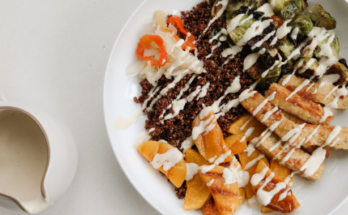
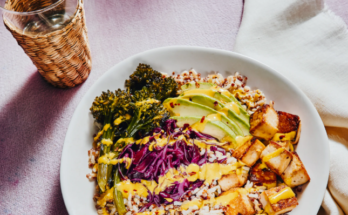
Food quality plays an important role as well. Whole and minimally processed foods such as vegetables, fruits, lean proteins, whole grains, nuts, and seeds tend to be more filling and nutrient-dense. These foods support the body while making it easier to manage portion sizes naturally. At the same time, enjoying occasional treats in moderation can help prevent feelings of restriction, which often lead to cycles of overeating.
Another practical strategy is to stay hydrated throughout the day. Sometimes thirst can be mistaken for hunger, leading to extra calorie intake. Drinking water regularly, especially before meals, can support better appetite awareness. While there is no need to follow rigid rules about water intake, keeping a bottle nearby can serve as a helpful reminder to drink consistently.
Movement is another key factor in supporting fat loss, but it does not have to mean intense or exhausting workouts. Finding enjoyable forms of physical activity increases the likelihood of staying consistent. This could include walking, cycling, swimming, dancing, or even gardening. The goal is to stay active in ways that feel sustainable rather than overwhelming.
Strength training can also be beneficial, as it helps maintain or build muscle mass. Muscle tissue requires more energy to maintain than fat tissue, which can support overall metabolism. Simple bodyweight exercises or light resistance training a few times per week can make a meaningful difference over time. For those new to exercise, starting slowly and gradually increasing intensity can help prevent burnout and injury.
Sleep is often overlooked, yet it plays a significant role in weight management. Inadequate sleep can affect hormones that regulate hunger and appetite, making it more difficult to make balanced food choices. Establishing a consistent sleep routine and aiming for sufficient rest each night can support both physical and mental health. Creating a calming bedtime environment and limiting screen time before sleep are simple ways to improve sleep quality.
Stress management is another important aspect. High stress levels can influence eating patterns, sometimes leading to emotional eating or cravings for highly processed foods. Finding healthy ways to manage stress, such as mindfulness practices, breathing exercises, or spending time in nature, can help create a more balanced relationship with food. Even short moments of relaxation throughout the day can have a positive impact.
Setting realistic goals is essential for long-term success. Instead of focusing solely on the number on a scale, it can be helpful to consider other indicators of progress such as improved energy levels, better sleep, or increased strength. Fat loss does not occur in a straight line, and fluctuations are normal. Maintaining a flexible mindset helps reduce frustration and encourages persistence.
Building supportive routines can make healthy choices easier. Preparing meals in advance, keeping nutritious snacks available, and creating a consistent schedule for activity and rest can reduce decision fatigue. When healthy options are convenient, it becomes more natural to choose them without relying on willpower alone.
Social support can also play a role. Sharing goals with friends or family members, or simply having someone to talk to, can provide encouragement and accountability. At the same time, it is important to respect individual differences. What works for one person may not work for another, and finding a personalized approach is key.
Limiting overly restrictive approaches is another practical consideration. Diets that eliminate large categories of food or drastically reduce calorie intake can be difficult to maintain and may lead to cycles of restriction and overeating. A more balanced approach that allows for variety tends to be more sustainable and enjoyable.
Tracking progress in a flexible way can also be helpful. Some people find it useful to keep a journal of meals, activity, or mood, while others prefer periodic check-ins with how they feel physically. The purpose is not to create pressure but to increase awareness and identify patterns that support or hinder progress.
It is also important to recognize that fat loss is influenced by many factors, including genetics, lifestyle, and environment. Comparing progress to others can create unnecessary pressure. Focusing on personal improvements and celebrating small achievements can help maintain motivation over time.
Consistency remains one of the most powerful tools. Small, repeated actions often lead to meaningful results. Skipping a workout or enjoying an indulgent meal does not undo progress. What matters most is returning to supportive habits without guilt. This mindset encourages a healthier and more sustainable approach.
Finally, approaching fat loss with kindness toward oneself can make the journey more positive. Instead of viewing it as a strict set of rules, it can be seen as an opportunity to care for the body and improve overall health. By combining balanced eating, regular movement, adequate rest, and mindful habits, it becomes possible to support fat loss in a way that fits naturally into everyday life.
Sustainable fat loss is not about perfection. It is about making practical choices consistently, adapting when needed, and maintaining a long-term perspective. Over time, these small efforts can lead to lasting changes that support both physical health and overall well-being.