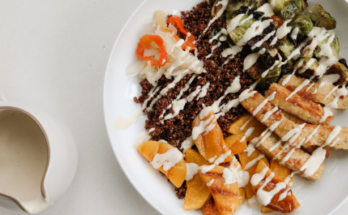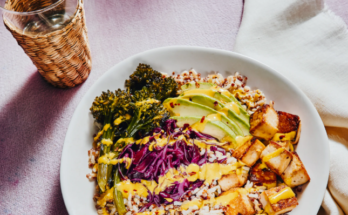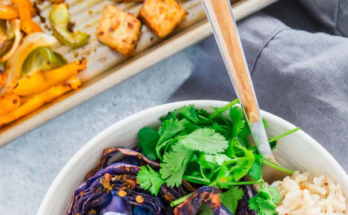
Cooking at home has always been one of the most reliable ways to support a healthy lifestyle, but in today’s fast-paced world, it can feel like a challenge to balance nutrition, time, and taste. Cooking smarter is not about strict rules or complicated techniques. It is about making thoughtful choices that fit naturally into daily life while helping you feel energized, satisfied, and well.
A smart approach to cooking begins with understanding that healthy food does not have to be bland or restrictive. Many people assume that improving their diet means giving up favorite meals, but in reality, it often involves simple adjustments. Swapping refined ingredients for whole alternatives, reducing excess sugar, and incorporating more fresh produce can transform everyday dishes without sacrificing enjoyment.
Planning plays a key role in smarter cooking. Taking a little time to think about meals ahead of the week can reduce stress and prevent last-minute decisions that often lead to less balanced choices. A basic plan does not need to be rigid. Even having a rough idea of what you will cook for a few days can make grocery shopping more efficient and reduce food waste. It also allows you to include a wider variety of nutrients by rotating different ingredients throughout the week.
Another important aspect is learning how to build balanced meals. A simple way to think about this is by combining a source of protein, healthy fats, and fiber-rich carbohydrates. This combination helps maintain steady energy levels and keeps you feeling full longer. For example, pairing grilled chicken or beans with whole grains and vegetables creates a satisfying and nourishing dish that supports overall well-being.
Cooking methods also matter. Choosing techniques like steaming, baking, grilling, or sautéing with minimal oil can preserve nutrients and reduce unnecessary fats. At the same time, flavor does not have to be compromised. Herbs, spices, garlic, and citrus can elevate dishes naturally, adding depth and variety without relying on excessive salt or processed sauces. Over time, your taste preferences may shift toward these fresher, more vibrant flavors.
Efficiency in the kitchen is another part of cooking smarter. Preparing ingredients in advance can save significant time during busy days. Washing and chopping vegetables, cooking grains in batches, or marinating proteins ahead of time allows you to assemble meals quickly when needed. This approach makes it easier to stick with home cooking even when schedules are tight.
Mindful portioning is equally important. Cooking at home gives you control over how much you eat, but it can still be easy to over-serve. Paying attention to portion sizes helps maintain balance without the need for strict dieting. Listening to your body’s hunger and fullness cues encourages a more natural and sustainable relationship with food.
Smarter cooking also involves being flexible and realistic. Not every meal needs to be perfect, and occasional convenience foods can still fit into a balanced lifestyle. The goal is consistency over time rather than perfection in every dish. By focusing on gradual improvements, you can create habits that are easier to maintain and more enjoyable.
Budget considerations often come into play when thinking about healthy cooking. Fortunately, nutritious meals do not have to be expensive. Seasonal produce, dried legumes, and whole grains are often affordable and versatile. Learning how to use these ingredients creatively can stretch your budget while still providing nourishing options. Cooking larger portions and using leftovers wisely can also reduce costs and save time.
Food safety and proper storage are essential parts of everyday cooking that are sometimes overlooked. Keeping ingredients fresh and handling them correctly helps prevent waste and ensures that meals are safe to eat. Simple practices like refrigerating leftovers promptly and checking expiration dates contribute to a more efficient and reliable kitchen routine.
Another benefit of cooking smarter is the opportunity to connect with others. Sharing meals with family or friends can enhance both physical and emotional well-being. Even involving others in the cooking process can make it more enjoyable and less of a chore. This sense of connection often encourages healthier habits and a more positive attitude toward food.
Technology can also support smarter cooking. There are many tools and resources available that provide recipe ideas, cooking tips, and nutritional guidance. Using these resources can help you discover new dishes and techniques, keeping your meals interesting and diverse. However, it is important to choose reliable sources and avoid overly restrictive or unrealistic trends.
Listening to your own preferences is a key part of sustainable healthy cooking. What works for one person may not work for another, and it is important to adapt approaches to suit your tastes, lifestyle, and cultural traditions. Incorporating familiar flavors and favorite ingredients can make healthier cooking feel more natural and enjoyable.
Over time, cooking smarter becomes less about effort and more about habit. As you become more comfortable in the kitchen, you will likely find that preparing balanced meals feels easier and more intuitive. Small changes, such as adding an extra serving of vegetables or choosing whole ingredients more often, can add up to meaningful improvements in overall health.
Ultimately, cooking smarter for everyday health is about creating a practical and enjoyable approach to food. It is not about strict limitations or complicated systems, but about making choices that support your well-being while fitting into your daily routine. By focusing on balance, preparation, and flexibility, you can build a way of cooking that nourishes both body and mind in a sustainable and rewarding way.