Modern life moves quickly, and for many people, cooking healthy meals can feel like an overwhelming task squeezed between work, family responsibilities, and personal commitments. However, eating well does not require hours in the kitchen or complicated recipes. With the right approach, healthy cooking can become a practical, enjoyable part of even the busiest schedule.
One of the most effective ways to stay consistent with healthy eating is planning ahead. Taking a short amount of time once or twice a week to think about meals can reduce daily stress and prevent last-minute reliance on less nutritious options. Planning does not need to be rigid. It can be as simple as deciding on a few core meals and ensuring the ingredients are available. This small habit can make a significant difference in maintaining balanced nutrition.
Preparation is closely connected to planning. Prepping ingredients in advance saves time during the week and makes cooking feel more manageable. Washing and cutting vegetables, marinating proteins, or cooking grains ahead of time allows meals to come together quickly. When everything is ready to go, even a ten-minute window can be enough to prepare something wholesome.
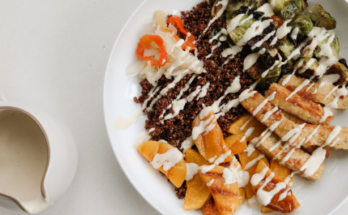
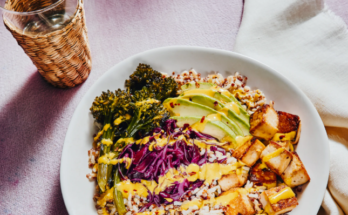
Another useful strategy is embracing simple recipes. Healthy cooking does not have to involve complex techniques or long ingredient lists. In fact, meals built from a few fresh ingredients are often the most nutritious. For example, a combination of lean protein, whole grains, and vegetables can create a balanced dish without much effort. Simplicity reduces both cooking time and mental load, making it easier to stay consistent.
Batch cooking is especially helpful for people with tight schedules. Preparing larger portions and storing them for later use can eliminate the need to cook every day. Meals like soups, stews, stir-fries, and roasted dishes store well and can be reheated easily. Having ready-to-eat meals on hand reduces the temptation to choose less healthy convenience foods.
Time-saving kitchen tools can also support a healthier routine. Devices like slow cookers, pressure cookers, and air fryers allow for efficient cooking with minimal supervision. These tools can transform raw ingredients into satisfying meals while freeing up time for other tasks. Even basic tools like a sharp knife and a reliable pan can make cooking faster and more enjoyable.
It is also helpful to rethink what a “proper meal” looks like. Healthy eating does not always mean preparing a full, traditional dish. Sometimes a quick combination of nutritious foods is enough. A bowl with mixed greens, canned beans, nuts, and a simple dressing can provide a balanced meal in minutes. Similarly, whole grain toast with avocado and eggs can be both quick and nourishing.
Keeping a well-stocked pantry supports spontaneous healthy cooking. Staples like whole grains, canned vegetables, legumes, spices, and healthy oils make it easier to put meals together without frequent shopping trips. When the basics are available, there is always a starting point for a nutritious dish, even on the busiest days.
Flexibility is another important part of maintaining healthy habits. Busy schedules can be unpredictable, and it is important to adapt without feeling discouraged. If a planned meal does not happen, it is fine to switch to a simpler option. The goal is not perfection but consistency over time. Small, positive choices add up and contribute to overall well-being.
Incorporating healthy cooking into a busy lifestyle also involves mindset. Viewing cooking as a supportive, self-care activity rather than a chore can make a big difference. Even short moments spent preparing food can be grounding and rewarding. Over time, this shift in perspective can help build a sustainable routine.
Another helpful approach is involving others when possible. Cooking with family members or sharing responsibilities can reduce the workload and make the process more enjoyable. Even preparing meals alongside a partner or teaching children simple tasks can turn cooking into a shared experience rather than an individual burden.
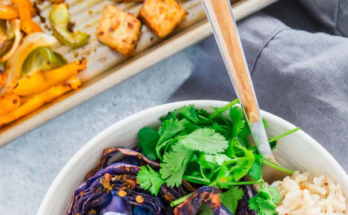
Choosing versatile ingredients can further simplify the process. Ingredients that can be used in multiple meals reduce waste and save time. For instance, roasted vegetables can be added to salads, wraps, or grain bowls throughout the week. Cooked chicken or tofu can be used in a variety of dishes, allowing for different flavors without starting from scratch each time.
Healthy cooking also benefits from mindful grocery shopping. Selecting fresh, seasonal ingredients often leads to better flavor and nutrition while sometimes being more affordable. Creating a short shopping list based on planned meals helps avoid unnecessary purchases and ensures that everything needed is available.
It is important to remember that healthy cooking does not mean eliminating all indulgences. Balance is key. Allowing occasional treats while focusing on overall nutritious choices creates a more realistic and sustainable approach. Restrictive habits can be difficult to maintain, while balanced ones are more likely to become long-term routines.
For those who feel they lack cooking skills, starting small can build confidence. Learning a few basic techniques, such as sautéing vegetables or cooking grains, provides a strong foundation. Over time, these skills can expand naturally, making cooking easier and more intuitive.
Healthy cooking for busy schedules is ultimately about finding what works best for each individual. There is no single method that fits everyone. Some people may prefer preparing meals in advance, while others might rely on quick daily cooking. The key is to develop habits that align with personal preferences and time constraints.
Consistency is more important than perfection. Even preparing a few healthy meals each week is a step in the right direction. Gradually, these habits can become part of daily life, leading to improved energy, better focus, and overall well-being.
By focusing on planning, preparation, simplicity, and flexibility, healthy cooking can fit into even the most demanding schedules. It becomes less about effort and more about smart choices that support a balanced lifestyle. Over time, these small, practical steps can create lasting positive change without adding unnecessary stress.