Healthy cooking often carries an unfair reputation. Many people imagine long ingredient lists, complicated techniques, and hours spent in the kitchen. In reality, preparing nourishing meals can be simple, flexible, and even relaxing when approached with the right mindset. The key is to shift from perfection to practicality and to build habits that support ease rather than pressure.
One of the most helpful ways to make healthy cooking feel effortless is to simplify your expectations. A balanced meal does not need to be elaborate to be beneficial. A combination of whole ingredients such as vegetables, grains, proteins, and healthy fats can come together quickly with minimal preparation. When you focus on using fresh, natural foods and avoid overcomplicating recipes, cooking becomes less of a chore and more of a routine that fits naturally into your day.
Planning ahead plays an important role in reducing stress around cooking. This does not mean creating rigid meal plans or spending hours organizing every detail. Instead, it can be as simple as having a few go-to meals in mind for the week and keeping essential ingredients on hand. When your kitchen is stocked with basics like rice, pasta, beans, eggs, and seasonal produce, you always have the foundation for a healthy meal without needing to start from scratch.
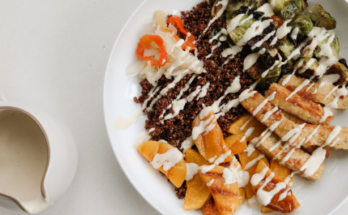
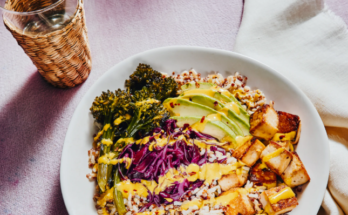
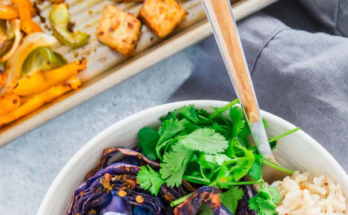
Another helpful approach is to embrace repetition in a positive way. Eating similar meals throughout the week can actually make life easier while still providing variety. For example, you might prepare a batch of roasted vegetables and use them in different ways, such as adding them to a grain bowl one day and tossing them into a wrap or salad the next. This approach reduces cooking time while still keeping meals interesting.
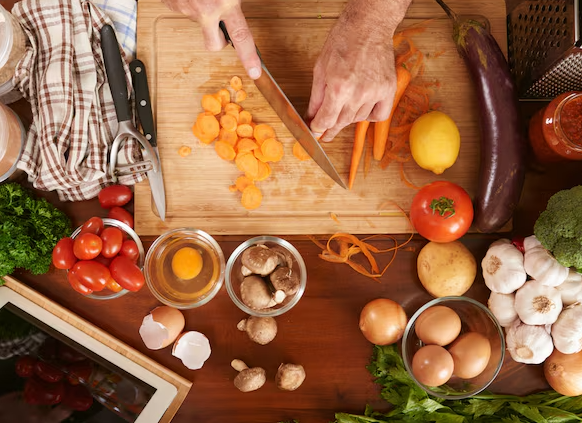
Efficiency in the kitchen also comes from learning a few simple techniques that can be used across many dishes. Roasting, steaming, sautéing, and boiling are basic methods that require little effort but deliver satisfying results. Once you feel comfortable with these techniques, you can mix and match ingredients without relying on strict recipes. This flexibility allows you to cook intuitively, using what you have available rather than feeling limited by what you do not.
Keeping preparation minimal is another way to make healthy cooking feel manageable. Pre-washed greens, frozen vegetables, and pre-cut ingredients can save time without compromising nutrition. While some people feel pressure to prepare everything from scratch, there is nothing wrong with using convenient options that support your routine. The goal is to make healthy choices accessible, not to create unnecessary obstacles.
Your environment also has a strong influence on how effortless cooking feels. A clean, organized kitchen makes a noticeable difference. When tools and ingredients are easy to find, the cooking process becomes smoother and more enjoyable. Even small habits, such as cleaning as you go or setting out ingredients before you begin, can reduce frustration and make the experience more pleasant.
It is also helpful to reframe cooking as a form of self-care rather than a task to complete. Preparing a meal is an opportunity to slow down and reconnect with what you are nourishing your body with. When you approach cooking with curiosity instead of obligation, it can become a moment of calm in an otherwise busy day. This shift in perspective often leads to more consistent habits because the experience itself becomes rewarding.
Time-saving strategies can further support an effortless approach. Cooking larger portions and saving leftovers for later is one of the simplest ways to reduce daily effort. Meals like soups, stews, and casseroles can be made in advance and enjoyed over several days. This not only saves time but also ensures that you always have a healthy option available when you need it.
Balancing nutrition does not have to involve strict rules or complicated tracking. A simple visual approach can be helpful. Filling half your plate with vegetables, adding a source of protein, and including a portion of whole grains or healthy fats creates a well-rounded meal without requiring detailed calculations. This intuitive method keeps things straightforward while still supporting overall well-being.
Flavor is another important factor in making healthy cooking enjoyable. Simple ingredients can become exciting with the addition of herbs, spices, and natural seasonings. A squeeze of lemon, a sprinkle of garlic, or a dash of your favorite spice blend can transform a basic dish into something satisfying. When food tastes good, it becomes much easier to maintain healthy habits over time.
It is also important to allow flexibility and avoid an all-or-nothing mindset. Not every meal needs to be perfect, and occasional shortcuts or indulgences are part of a balanced lifestyle. What matters most is consistency over time. By focusing on small, sustainable changes, you create a routine that supports your health without feeling restrictive.
For those who feel overwhelmed by cooking, starting small can make a big difference. Preparing just one meal at home each day or even a few times a week is a meaningful step. As confidence grows, cooking becomes more natural and less intimidating. Over time, these small efforts build into a routine that feels both manageable and rewarding.
Healthy cooking that feels effortless is not about achieving perfection. It is about creating a system that works for your lifestyle and reduces unnecessary stress. By simplifying your approach, using practical strategies, and focusing on consistency rather than complexity, you can turn cooking into an easy and enjoyable part of your daily routine.
When you remove pressure and embrace simplicity, healthy cooking becomes less about effort and more about rhythm. It becomes something that fits seamlessly into your life, supporting your well-being without demanding too much of your time or energy.