Cooking is one of the most powerful ways to influence health, yet the methods used in the kitchen are often overlooked. While ingredients matter, how food is prepared can significantly affect its nutritional value, flavor, and overall impact on the body. Clean cooking methods focus on preserving nutrients, reducing harmful compounds, and creating meals that support long-term well-being. By choosing healthier techniques, anyone can improve their daily eating habits without sacrificing taste or enjoyment.
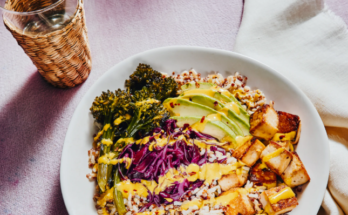
One of the most effective clean cooking methods is steaming. This technique uses water vapor to cook food gently, which helps retain vitamins and minerals that might otherwise be lost during more aggressive methods like frying. Vegetables such as broccoli, carrots, and spinach maintain their vibrant color and natural flavor when steamed. Because steaming does not require added fats, it is also an excellent choice for those looking to reduce calorie intake while still enjoying satisfying meals.
Boiling is another simple approach that can be part of clean cooking when used carefully. While it can lead to some nutrient loss, especially in vegetables, this can be minimized by using the cooking water in soups or sauces. Whole grains like brown rice, quinoa, and oats benefit from boiling, as they absorb water and become soft without the need for oils or additives. Choosing the right cooking time and avoiding overcooking can make a noticeable difference in both taste and nutrition.
Grilling is popular for its ability to create rich flavors with minimal added fat. When done correctly, it can be a clean cooking method that enhances the natural taste of foods like fish, lean meats, and vegetables. However, it is important to avoid charring, as burnt areas can contain compounds that are not ideal for regular consumption. Using moderate heat, turning food frequently, and marinating ingredients beforehand can help reduce risks while keeping the results delicious.
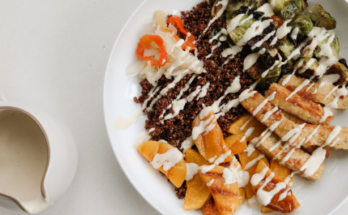
Baking is another versatile method that supports clean eating. It allows for even cooking and can be used for a wide range of dishes, from roasted vegetables to lean proteins. Baking typically requires less oil than frying, and it can bring out natural sweetness in foods like sweet potatoes, squash, and fruits. Using parchment paper or ceramic cookware can further reduce the need for added fats, making meals lighter without compromising texture or flavor.
Sautéing can also be part of a clean cooking approach when done mindfully. Instead of using large amounts of butter or oil, a small quantity of healthier options such as olive oil can be sufficient. Cooking over medium heat and stirring frequently helps prevent burning and preserves the integrity of the ingredients. Adding garlic, herbs, and spices enhances flavor naturally, reducing the need for excessive salt or processed sauces.
Stir-frying is closely related to sautéing but typically involves higher heat and faster cooking times. This method is especially effective for preserving the crunch and color of vegetables while maintaining their nutrients. Using a non-stick pan or wok allows for minimal oil usage. Combining a variety of vegetables with lean protein sources such as tofu, chicken, or shrimp can result in balanced, wholesome meals that are both quick and satisfying.
Poaching is a gentle cooking technique that involves simmering food in liquid at a low temperature. It is particularly well suited for delicate items like eggs, fish, and poultry. Because the cooking temperature remains relatively low, nutrients are preserved, and the risk of forming harmful compounds is minimized. Poached dishes often have a soft texture and subtle flavor, which can be enhanced with herbs, spices, or light sauces.
Slow cooking offers another clean method that is both convenient and effective. By cooking food over a long period at low temperatures, flavors develop naturally without the need for heavy seasoning or fats. This method is ideal for soups, stews, and legumes, allowing ingredients to become tender while retaining their nutritional value. Using fresh ingredients and controlling the amount of salt ensures that slow-cooked meals remain healthy and balanced.
Air frying has gained attention as a modern alternative to traditional frying. It uses hot air circulation to create a crispy texture similar to deep frying but with significantly less oil. This method can be a useful option for those who enjoy crunchy foods but want to reduce fat intake. While it is not entirely oil-free, the reduction in oil use can make a meaningful difference in overall dietary habits.
Clean cooking also involves paying attention to the materials and tools used in the kitchen. Choosing cookware made from safe, durable materials helps avoid unwanted chemical exposure. Maintaining proper hygiene, such as washing hands, cleaning surfaces, and storing food correctly, is equally important. These practices ensure that meals are not only nutritious but also safe to eat.
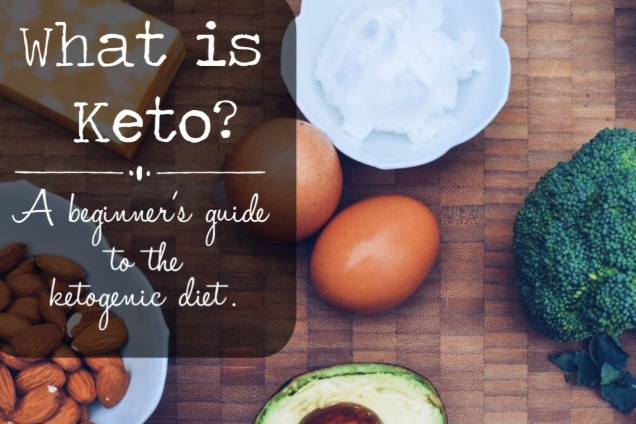
Another key aspect of clean cooking is the use of fresh, whole ingredients. Minimizing processed foods reduces exposure to additives and excess sodium or sugar. Fresh herbs, spices, citrus, and natural seasonings can elevate dishes without relying on artificial flavor enhancers. This approach supports a more natural and balanced diet while allowing the true taste of ingredients to shine.
Portion control and mindful preparation also contribute to better eating. Cooking at home provides greater control over ingredients and serving sizes, making it easier to maintain a balanced diet. Preparing meals in advance can help avoid reliance on less healthy convenience options. By planning ahead, individuals can make thoughtful choices that align with their health goals.
Clean cooking is not about strict rules or eliminating favorite foods. Instead, it is about making informed choices that support overall well-being. Small adjustments, such as switching from deep frying to baking or using less oil when sautéing, can have a significant impact over time. These changes are often easy to adopt and can fit seamlessly into everyday routines.
Incorporating clean cooking methods into daily life encourages a more positive relationship with food. It allows individuals to enjoy meals that are both nourishing and flavorful, without feeling restricted. By focusing on simple, effective techniques and high-quality ingredients, anyone can create dishes that contribute to better health and greater satisfaction.
Ultimately, clean cooking is a practical and sustainable approach to eating well. It emphasizes balance, awareness, and enjoyment, making it accessible to people with different lifestyles and preferences. With a little attention to cooking methods and ingredients, it is possible to transform everyday meals into opportunities for improved health and lasting wellness.