Cooking at home is one of the most effective ways to support a healthier lifestyle, but it does not have to feel complicated or restrictive. With a few practical habits and a balanced mindset, preparing nourishing meals can become both enjoyable and sustainable. The key is to focus on simple techniques, accessible ingredients, and consistent routines that make healthy choices feel natural rather than forced.
One of the most helpful starting points is to keep your kitchen stocked with versatile, whole ingredients. Fresh vegetables, fruits, whole grains, lean proteins, and healthy fats provide a strong foundation for countless meals. When these ingredients are readily available, it becomes easier to build dishes without relying on heavily processed options. Frozen vegetables and fruits can be just as nutritious as fresh ones and are often more convenient, especially for busy schedules. Having them on hand ensures you always have something healthy to work with.
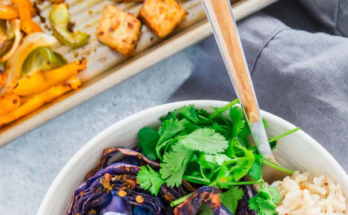
Another practical tip is to focus on cooking methods that preserve nutrients while enhancing flavor. Techniques like steaming, roasting, grilling, and sautéing with small amounts of oil can bring out the natural taste of ingredients without adding unnecessary heaviness. Roasting vegetables, for example, caramelizes their natural sugars and creates a rich flavor that often reduces the need for excess salt or sauces. Similarly, grilling proteins like chicken or fish can add depth without relying on heavy coatings.
Seasoning plays an important role in healthy cooking. Many people assume that eating well means bland food, but that is far from the truth. Herbs, spices, garlic, citrus, and vinegars can transform simple ingredients into satisfying meals. Learning how to combine flavors allows you to reduce reliance on excess salt or sugar. For instance, adding lemon juice or a splash of vinegar can brighten a dish and make it more appealing without adding extra calories.
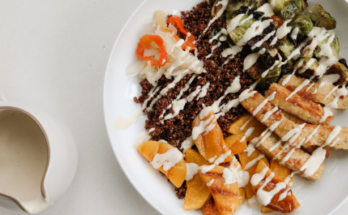
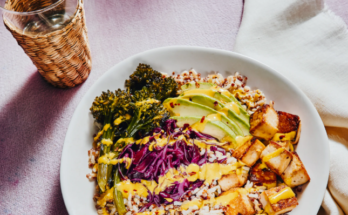
Portion awareness is another essential aspect of practical healthy cooking. Instead of focusing on strict limitations, it is more helpful to think in terms of balance. Filling half your plate with vegetables, a quarter with protein, and a quarter with whole grains is a simple guideline that works for many people. This approach ensures that meals are satisfying while still supporting overall well-being. Cooking at home gives you full control over portion sizes, which can help prevent overeating without feeling restrictive.
Planning ahead can make a significant difference in maintaining healthy habits. Preparing ingredients in advance, such as washing and chopping vegetables or cooking a batch of grains, saves time during the week and reduces the temptation to choose less nutritious options. Batch cooking meals like soups, stews, or grain bowls allows you to have ready-to-eat dishes available, which is especially helpful on busy days. Even small steps, like marinating protein the night before, can simplify the cooking process.
It is also important to pay attention to cooking oils and fats. While fats are an essential part of a balanced diet, the type and quantity matter. Using oils like olive oil or avocado oil in moderate amounts can support both flavor and nutrition. Instead of deep frying, consider baking or air frying for a lighter alternative that still delivers satisfying texture. Being mindful of how much oil is used can make a noticeable difference without compromising taste.
Reducing added sugars is another practical step in healthier cooking. Many packaged foods and sauces contain hidden sugars, so preparing meals at home allows you to control sweetness levels. When sweetness is desired, natural sources like fruits can be a great option. For example, adding ripe bananas to oatmeal or blending dates into sauces can provide flavor without relying on refined sugar.
Hydration and cooking go hand in hand as well. Incorporating water-rich foods like soups, stews, and fresh produce can contribute to overall hydration. Cooking methods such as simmering and steaming help retain moisture in foods, making meals more satisfying. Keeping a glass of water nearby while cooking can also serve as a reminder to stay hydrated throughout the day.
Making healthy cooking enjoyable is just as important as the nutritional aspect. Experimenting with new recipes, trying different cuisines, and involving family or friends in the process can turn cooking into a positive experience. When meals are something to look forward to, it becomes easier to maintain consistent habits. Even small changes, like playing music while cooking or setting aside dedicated time for meal preparation, can make a big difference.
Flexibility is another key factor in sustainable healthy cooking. It is not necessary to aim for perfection with every meal. There will be times when convenience takes priority, and that is completely normal. The goal is to create a pattern of generally balanced choices rather than striving for strict rules. Allowing room for occasional treats or less structured meals helps maintain a healthy relationship with food.
Understanding basic cooking skills can also boost confidence in the kitchen. Learning how to properly chop vegetables, cook grains, or season proteins can make the process more efficient and enjoyable. These foundational skills reduce the reliance on pre-packaged meals and open up more possibilities for creativity. Over time, cooking becomes less of a task and more of a natural part of daily life.
Food safety should not be overlooked when focusing on healthy cooking. Proper storage, handling, and cooking temperatures help ensure that meals are not only nutritious but also safe to eat. Keeping raw and cooked foods separate, washing hands and surfaces regularly, and storing leftovers correctly are simple practices that support overall well-being.
Listening to your body is an often overlooked but valuable aspect of healthy cooking. Paying attention to hunger and fullness cues can guide portion sizes and meal timing. Cooking meals that leave you feeling satisfied and energized rather than overly full is a helpful indicator of balance. Everyone’s needs are different, so adjusting meals based on personal preferences and energy levels is important.
Incorporating variety into your meals helps ensure a broader range of nutrients and keeps cooking interesting. Rotating different vegetables, proteins, and grains throughout the week prevents monotony and supports a more balanced intake. Trying seasonal produce can also enhance flavor and often provides better value.
Ultimately, practical healthy cooking is about creating habits that fit into your lifestyle. It does not require expensive ingredients or complicated recipes. By focusing on simple techniques, thoughtful preparation, and a balanced approach, anyone can build a sustainable routine that supports both health and enjoyment. Over time, these small, consistent choices add up, making healthy cooking a natural and rewarding part of everyday life.