Healthy cooking at home does not have to feel complicated, expensive, or time-consuming. In fact, with a few simple habits and a relaxed mindset, preparing nourishing meals can become one of the most enjoyable parts of your day. The key is to focus on balance, simplicity, and consistency rather than perfection. When you approach cooking as a flexible and creative process, it becomes easier to build meals that support your well-being while still tasting great.
One of the first steps toward easier healthy cooking is stocking your kitchen with versatile ingredients. Keeping staples like whole grains, canned beans, fresh or frozen vegetables, fruits, eggs, and lean proteins on hand allows you to prepare a variety of meals without needing complicated recipes. Ingredients such as olive oil, garlic, onions, herbs, and basic spices can instantly elevate simple dishes. When your kitchen is prepared, you are far more likely to cook at home instead of relying on less nutritious convenience foods.
Planning ahead can also make a big difference. You do not need a strict weekly schedule, but having a rough idea of what you might cook helps reduce daily stress. Even choosing just three or four meals to prepare during the week can save time and prevent last-minute decisions. Prepping ingredients in advance, such as washing vegetables or cooking a batch of rice or quinoa, makes it easier to assemble meals quickly when you are hungry.
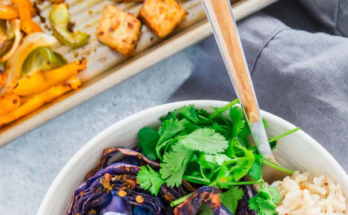
Healthy cooking becomes easier when you focus on simple cooking methods. Techniques like roasting, steaming, sautéing, and grilling bring out natural flavors without requiring heavy sauces or complicated steps. For example, roasting vegetables with a little olive oil and seasoning can create a delicious side dish with minimal effort. Similarly, sautéing a mix of vegetables with protein like chicken, tofu, or beans can result in a satisfying one-pan meal.
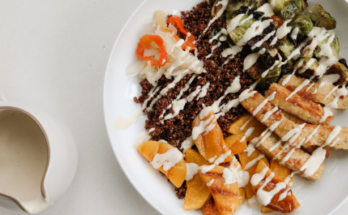
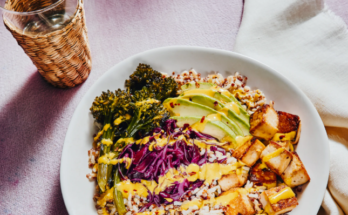
Another helpful approach is building meals using a balanced structure. A good guideline is to include a source of protein, a portion of whole grains or complex carbohydrates, and plenty of vegetables. This combination helps keep you full and energized while supporting overall health. For example, a bowl with brown rice, grilled vegetables, and a protein source like fish or legumes can be both nutritious and flavorful. Keeping this simple structure in mind takes the guesswork out of meal preparation.
Flavor is an important part of maintaining healthy eating habits. Many people assume that healthy food is bland, but this is far from true. Using herbs, spices, citrus juice, and natural seasonings can transform basic ingredients into something exciting. Fresh herbs like cilantro, basil, or parsley add brightness, while spices such as cumin, paprika, or turmeric bring warmth and depth. Experimenting with flavors helps keep meals interesting and prevents boredom.
Time-saving strategies can make home cooking feel much more manageable. One effective method is batch cooking, where you prepare larger quantities of food and store portions for later. Soups, stews, grains, and roasted vegetables can all be made in advance and reheated throughout the week. This not only saves time but also ensures you always have a healthy option ready when you need it.
Another way to simplify cooking is by embracing flexibility. Not every meal needs to follow a recipe exactly. Learning to adapt based on what you have available reduces waste and builds confidence in the kitchen. If a recipe calls for a specific vegetable or protein, you can often substitute something similar. Over time, this flexibility turns cooking into a more intuitive and less stressful experience.
Creating a comfortable cooking environment also plays a role in making healthy cooking easier. Keeping your kitchen organized and clean makes the process more enjoyable. Playing music, involving family members, or simply taking a moment to appreciate the process can turn cooking into a relaxing activity instead of a chore. When cooking feels enjoyable, it becomes easier to maintain the habit.
It is also important to be realistic and kind to yourself. Not every meal will be perfectly balanced, and that is okay. Healthy cooking is about long-term habits rather than short-term perfection. Some days you may have more time and energy to cook, while other days require simpler options. Having a few quick meal ideas, such as salads, wraps, or stir-fries, can help you stay on track even when life gets busy.
Budget-friendly cooking is another advantage of preparing meals at home. Buying ingredients in bulk, choosing seasonal produce, and using leftovers creatively can significantly reduce costs. Simple meals made from basic ingredients are often both affordable and nutritious. Cooking at home gives you control over what goes into your food, allowing you to prioritize quality without overspending.
Hydration and mindful eating are also part of a healthy cooking routine. Drinking enough water throughout the day supports overall health, while taking time to enjoy your meals helps you recognize when you are satisfied. Eating slowly and without distractions can improve digestion and make meals more enjoyable.
As you continue to cook at home, you will naturally develop your own preferences and routines. You may discover favorite combinations, quick recipes, or cooking shortcuts that work best for your lifestyle. Over time, healthy cooking becomes less about effort and more about habit.
In the end, making healthy cooking easy at home comes down to preparation, simplicity, and a positive approach. By keeping your kitchen stocked, planning loosely, using simple techniques, and allowing flexibility, you can create meals that are both nourishing and enjoyable. With practice, cooking becomes a natural part of your daily routine, supporting your health in a way that feels sustainable and satisfying.