Creating meals that feel both nourishing and satisfying does not require complicated rules or restrictive thinking. A light and healthy approach to cooking is really about balance, thoughtful choices, and simple techniques that allow natural flavors to shine. When you shift your focus from heavy preparation methods to cleaner, fresher ones, the kitchen becomes a place of creativity rather than limitation.
One of the most effective ways to lighten your cooking is by changing how you apply heat. Instead of deep frying, consider baking, steaming, grilling, or sautéing with minimal oil. These techniques preserve the integrity of ingredients while reducing excess fats. Steaming vegetables, for example, helps them retain their color, texture, and nutrients, making them both visually appealing and wholesome. Grilling adds a natural smoky flavor without the need for heavy sauces, while baking allows ingredients to cook evenly with very little added fat.
Another important technique is learning how to build flavor without relying on salt, butter, or cream. Fresh herbs, spices, citrus, garlic, and ginger can transform even the simplest ingredients into something vibrant. A squeeze of lemon can brighten a dish instantly, while herbs like basil, cilantro, or parsley add freshness and complexity. Spices such as cumin, paprika, and turmeric can create depth without heaviness. By experimenting with these elements, you can create meals that feel indulgent while remaining light.
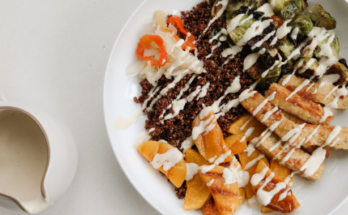
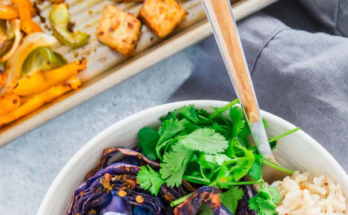
Choosing high-quality, whole ingredients is another cornerstone of healthy cooking. Fresh vegetables, lean proteins, whole grains, and legumes provide natural flavor and nutritional value. When ingredients are fresh and well-prepared, there is less need to mask them with rich sauces. For example, a bowl of roasted vegetables tossed with olive oil, garlic, and herbs can be deeply satisfying on its own. Similarly, grilled fish with a citrus marinade can feel elegant and complete without additional richness.
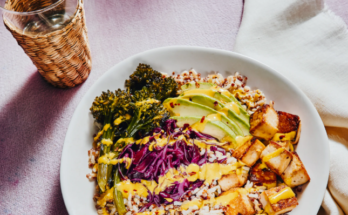
Portion awareness also plays a role in maintaining a light approach to meals. Instead of focusing on restriction, think about balance on the plate. Fill a generous portion with vegetables, add a moderate amount of protein, and include whole grains or healthy carbohydrates as a complement. This method ensures that meals are filling without being overly heavy. It also encourages variety, which can make eating more enjoyable over time.
Smart substitutions can make a noticeable difference without sacrificing flavor or texture. Using yogurt instead of cream, avocado instead of butter in certain recipes, or whole grain alternatives instead of refined grains can lighten dishes while enhancing their nutritional profile. These swaps are subtle but effective, allowing you to enjoy familiar meals in a more balanced way.
Preparation methods can also influence how light a dish feels. Cutting ingredients into smaller, uniform pieces helps them cook evenly and often reduces cooking time. Quick cooking methods, such as stir-frying over high heat with minimal oil, help preserve both texture and nutrients. Marinating proteins ahead of time not only enhances flavor but can reduce the need for heavier sauces later.
Mindful seasoning is another valuable technique. Rather than adding salt early and repeatedly, try seasoning gradually and tasting as you go. This approach helps prevent over-seasoning and allows the natural flavors of the ingredients to remain prominent. Using ingredients like vinegar, citrus, or even a splash of broth can enhance taste without relying heavily on sodium.
Hydration within cooking is often overlooked but can contribute to lighter meals. Incorporating broths, water-based sauces, or even cooking methods like poaching can keep dishes moist without adding unnecessary fat. For instance, poached chicken or fish can be tender and flavorful while remaining light and easy to digest.
Texture plays a significant role in how satisfying a meal feels. Combining crisp, fresh elements with softer, cooked components creates contrast and interest. A salad with crunchy vegetables, nuts, and a light vinaigrette can feel just as satisfying as a heavier dish when textures are thoughtfully balanced. Similarly, adding a sprinkle of seeds or a handful of greens to a warm dish can elevate both flavor and presentation.
Planning ahead can make it easier to maintain these techniques consistently. Keeping your kitchen stocked with fresh produce, herbs, and healthy staples allows you to prepare meals quickly without resorting to processed options. Simple preparation, such as washing and chopping vegetables in advance, can save time and make healthy cooking more accessible during busy days.
It is also helpful to pay attention to cooking oils. While oils can be part of a healthy diet, using them sparingly is key. Measuring rather than pouring freely can help control the amount used. Nonstick cookware, parchment paper, or air-frying techniques can further reduce the need for excess oil while still achieving desirable textures.
Presentation should not be underestimated. A well-presented meal can enhance the overall dining experience and make lighter dishes feel more satisfying. Using colorful ingredients, arranging food thoughtfully, and serving meals in appropriate portions can make a significant difference in how they are perceived and enjoyed.
Finally, developing a light and healthy cooking style is not about perfection. It is about making gradual adjustments that feel sustainable and enjoyable. By focusing on fresh ingredients, balanced flavors, and mindful techniques, you can create meals that support well-being without sacrificing taste. Over time, these habits become second nature, transforming everyday cooking into an experience that feels both nourishing and rewarding.