In a world where convenience often outweighs care, the way we prepare our food has quietly shifted toward heaviness, excess, and speed. Yet more people are rediscovering that how we cook matters just as much as what we eat. Light cooking is not about deprivation or strict rules. It is about using simple techniques, fresh ingredients, and thoughtful choices to create meals that nourish the body while still satisfying the senses. When approached with intention, light cooking becomes a practical and enjoyable path toward better living.
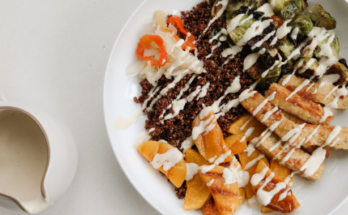
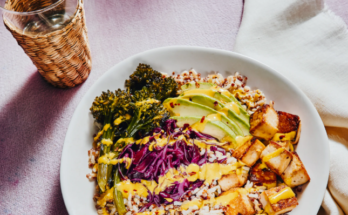
At its core, light cooking focuses on reducing unnecessary fats, excess sugars, and overly processed ingredients without sacrificing flavor. This approach does not mean bland or boring meals. On the contrary, it encourages creativity by highlighting natural tastes, textures, and aromas. Fresh vegetables, lean proteins, whole grains, and herbs take center stage, offering a wide range of possibilities that feel both vibrant and fulfilling.
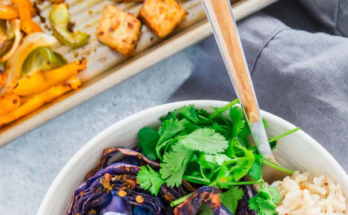
One of the most effective ways to embrace light cooking is by rethinking cooking methods. Techniques such as steaming, grilling, baking, and sautéing with minimal oil allow ingredients to shine without being weighed down. Steaming vegetables, for example, preserves their nutrients and natural color while maintaining a satisfying texture. Grilling adds a smoky depth to foods without the need for heavy sauces. Even small adjustments, like using a nonstick pan or replacing deep frying with oven roasting, can significantly reduce unnecessary fats.
Ingredients play an equally important role. Choosing whole, unprocessed foods provides a foundation for meals that support overall well-being. Fresh fruits and vegetables deliver essential vitamins and minerals, while lean proteins such as chicken, fish, beans, and legumes provide energy and satiety. Whole grains like brown rice, quinoa, and oats contribute fiber that supports digestion and helps maintain steady energy levels throughout the day. By prioritizing these ingredients, meals become naturally lighter and more balanced.
Flavor is often a concern when people think about lighter cooking, but it does not need to be. Herbs, spices, citrus, and natural seasonings can transform simple dishes into something memorable. Garlic, basil, turmeric, ginger, and lemon juice can enhance taste without adding unnecessary calories or sodium. Instead of relying on heavy creams or processed sauces, a squeeze of fresh citrus or a sprinkle of herbs can bring brightness and depth to a dish.
Portion awareness is another gentle yet powerful aspect of light cooking. Rather than focusing on restriction, it encourages mindfulness. Eating slowly and paying attention to hunger cues helps prevent overeating and fosters a healthier relationship with food. Meals prepared with care and intention often lead to greater satisfaction, even when portions are moderate.
Light cooking also supports long-term health in subtle but meaningful ways. Diets rich in whole foods and lower in processed ingredients are associated with improved heart health, better digestion, and more stable energy levels. While no single approach guarantees perfect health, consistently choosing lighter cooking methods can contribute to a lifestyle that feels more balanced and sustainable. It becomes less about short-term goals and more about everyday habits that add up over time.
Beyond physical benefits, light cooking can positively impact mental well-being. Preparing meals at home encourages a sense of control and creativity. It offers a break from fast-paced routines and creates an opportunity to reconnect with simple pleasures. The act of chopping vegetables, stirring a pot, or tasting a sauce can be calming and rewarding. Sharing these meals with others can further enhance a sense of connection and satisfaction.
Accessibility is another advantage of light cooking. It does not require expensive ingredients or complicated techniques. Many of the most effective changes are small and practical. Swapping sugary drinks for water infused with fruit, choosing grilled options instead of fried foods, or adding an extra serving of vegetables to meals are simple steps that anyone can take. Over time, these small choices build into a pattern that supports better living.
Planning ahead can make light cooking even more manageable. Preparing ingredients in advance, such as washing and cutting vegetables or cooking grains in batches, saves time during busy days. Having healthy options readily available reduces the temptation to rely on less balanced alternatives. With a little preparation, light cooking becomes a convenient and sustainable part of daily life.
Variety is essential to keeping this approach enjoyable. Exploring different cuisines and ingredients can prevent meals from becoming repetitive. Many global food traditions naturally emphasize lighter cooking methods and plant-based ingredients. Drawing inspiration from these traditions can introduce new flavors and ideas while maintaining a focus on balance and simplicity.
It is also important to approach light cooking with flexibility. There is no need for perfection. Occasional indulgences can coexist with a generally balanced approach to eating. What matters most is consistency and the overall pattern of choices. Allowing room for enjoyment and personal preferences makes it easier to maintain these habits over time.
For those new to light cooking, starting gradually can make the transition smoother. Replacing one heavy meal a day with a lighter alternative, experimenting with new recipes, or adjusting favorite dishes to include healthier ingredients are practical ways to begin. Over time, these changes become familiar and comfortable, leading to lasting improvements in both diet and lifestyle.
Hydration complements light cooking and plays a key role in overall well-being. Drinking enough water supports digestion, energy levels, and general health. Pairing balanced meals with proper hydration enhances the benefits and contributes to a more holistic approach to better living.
Ultimately, light cooking is about balance, awareness, and enjoyment. It encourages thoughtful choices without imposing rigid rules. By focusing on fresh ingredients, simple techniques, and natural flavors, it becomes possible to create meals that are both nourishing and satisfying. This approach supports not only physical health but also a more mindful and enjoyable relationship with food.
Adopting light cooking habits does not require a complete overhaul of one’s lifestyle. It begins with small, intentional steps that gradually shape a healthier routine. Over time, these choices lead to greater energy, improved well-being, and a deeper appreciation for the role that food plays in daily life. Through simplicity and care, light cooking offers a sustainable path toward better living.