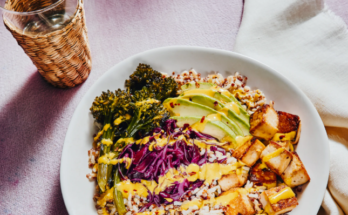
Cooking at home is one of the simplest ways to take control of your health, your budget, and your daily routine. Yet many people feel overwhelmed by the idea of preparing meals from scratch, especially when time is limited and convenience foods are so readily available. The good news is that smart cooking choices do not require perfection or complicated recipes. With a thoughtful approach, anyone can create satisfying, balanced meals that fit easily into everyday life.
A strong starting point is planning. Taking a few minutes at the beginning of the week to think about meals can make a significant difference. Planning does not mean rigidly scheduling every dish but rather having a general idea of what ingredients you will need and how they can be used across several meals. For example, preparing a batch of roasted vegetables or cooked grains can serve as the foundation for multiple dishes throughout the week. This reduces both food waste and the temptation to rely on last-minute takeout.
Another smart choice is focusing on whole, minimally processed ingredients. Fresh vegetables, fruits, grains, legumes, and lean proteins offer both flavor and nourishment. These foods tend to be versatile, allowing you to create a variety of meals without needing an extensive list of ingredients. Keeping your kitchen stocked with staples such as rice, beans, pasta, and canned tomatoes can make it easier to prepare meals quickly, even on busy days. Frozen vegetables are also a practical option, as they are convenient, long-lasting, and often just as nutritious as fresh ones.
Portion awareness plays an important role in everyday cooking. Serving sizes can influence how balanced a meal feels and how satisfied you are afterward. Rather than focusing on strict rules, aim for a mix of components on your plate. Including a source of protein, a portion of grains or starches, and a generous amount of vegetables can help create meals that are both filling and varied. This approach allows flexibility while still encouraging thoughtful choices.
Cooking methods can also make a meaningful difference. Techniques such as baking, steaming, sautéing, and grilling can enhance the natural flavors of ingredients without requiring excessive amounts of added fats or sugars. Simple seasonings like herbs, spices, garlic, and citrus can transform basic dishes into something enjoyable and unique. Experimenting with different flavor combinations can keep meals interesting and reduce the desire to rely on heavily processed options.
Time management is another key factor in making smart cooking choices. Many people assume that cooking from scratch requires hours in the kitchen, but this is not always the case. Preparing ingredients in advance, such as chopping vegetables or marinating proteins, can save time during the week. One-pot meals, sheet pan dinners, and slow cooker recipes are excellent options for those who want to minimize effort while still enjoying home-cooked food. Even setting aside just thirty minutes to prepare a meal can lead to better outcomes than defaulting to less balanced alternatives.
Budget considerations often influence food choices, and smart cooking can help stretch resources further. Buying ingredients in bulk, choosing seasonal produce, and using leftovers creatively are practical ways to reduce costs. For instance, leftover roasted chicken can be turned into sandwiches, soups, or salads the next day. Similarly, extra vegetables can be incorporated into omelets, stir-fries, or grain bowls. These small adjustments can make a noticeable difference over time.
Mindful cooking also involves paying attention to food safety and storage. Properly storing ingredients helps maintain freshness and reduces waste. Keeping track of expiration dates and organizing your refrigerator can make it easier to use items before they spoil. Reheating leftovers safely and ensuring that foods are cooked to appropriate temperatures are important steps in maintaining a healthy kitchen environment.
Incorporating variety into your meals is another valuable practice. Eating the same foods repeatedly can become monotonous and may limit exposure to different nutrients. Trying new recipes or ingredients from time to time can make cooking more enjoyable and expand your culinary skills. This does not require drastic changes; even small additions, such as introducing a new vegetable or spice, can add interest to your meals.
Listening to your own preferences and needs is essential when making everyday cooking choices. There is no single approach that works for everyone, and personal tastes, dietary needs, and cultural traditions all play a role in shaping how we eat. Finding a balance that works for you can make cooking feel less like a chore and more like a rewarding part of your routine. Allowing room for flexibility and occasional indulgences can also help maintain a sustainable approach.
Smart cooking is not about achieving perfection but about making practical, thoughtful decisions that support your well-being. By focusing on planning, choosing wholesome ingredients, managing time effectively, and embracing variety, you can create meals that are both enjoyable and nourishing. Over time, these habits can become second nature, making it easier to maintain a consistent and satisfying approach to everyday cooking.
Ultimately, the goal is to build a routine that fits your lifestyle while promoting balance and enjoyment. Cooking at home offers an opportunity to connect with food in a meaningful way, and even small changes can lead to lasting benefits. By taking simple steps and staying open to new ideas, you can develop a way of cooking that feels both manageable and fulfilling.