Cooking is more than just preparing food; it is a practical skill that shapes daily well-being, supports cultural expression, and encourages creativity in the kitchen. Balanced cooking techniques focus on achieving harmony between flavor, nutrition, texture, and simplicity. Rather than relying on extremes such as excessive oil, salt, or sugar, balanced cooking promotes thoughtful choices that make meals both enjoyable and nourishing. This approach is suitable for everyone, regardless of experience level, and can be adapted to different lifestyles and dietary needs.
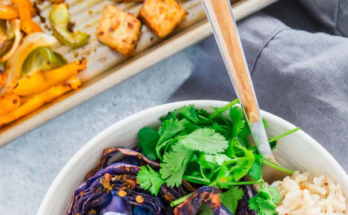
A key aspect of balanced cooking is understanding how different techniques affect ingredients. For example, steaming and boiling are gentle methods that preserve nutrients and natural flavors. These techniques are particularly useful for vegetables, grains, and lean proteins, helping maintain their original qualities without the need for added fats. On the other hand, methods such as grilling and roasting bring out deeper flavors through caramelization, adding richness without overwhelming the dish. By combining these techniques thoughtfully, cooks can create meals that are both satisfying and health-conscious.
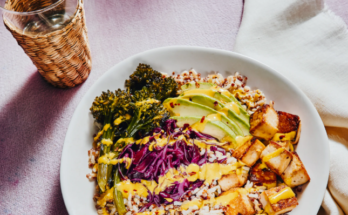
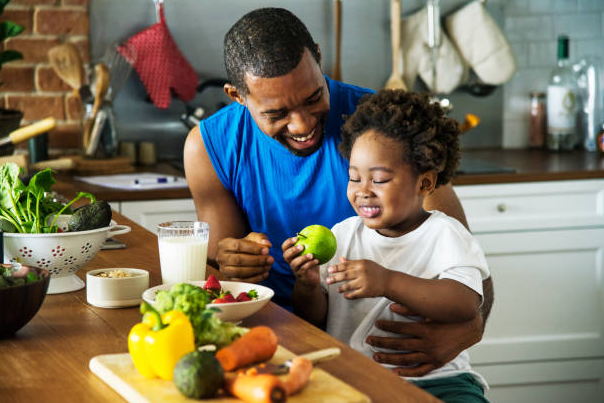
Another important factor is portion awareness and ingredient balance. A well-rounded meal typically includes a mix of vegetables, proteins, and carbohydrates. Vegetables provide essential vitamins and fiber, proteins support muscle maintenance and satiety, and carbohydrates offer energy. Balanced cooking does not mean restricting any particular group but rather ensuring that each element plays its role in moderation. This approach allows for flexibility while maintaining a sense of structure in meal preparation.
Seasoning is also central to balanced cooking. Instead of relying heavily on salt or processed flavor enhancers, using herbs, spices, and natural ingredients can elevate a dish in a healthier way. Fresh garlic, ginger, citrus juices, and aromatic herbs can add depth and brightness without overpowering the main ingredients. Learning how to layer flavors gradually helps create complexity while maintaining control over the final result. This method encourages experimentation and builds confidence in the kitchen.
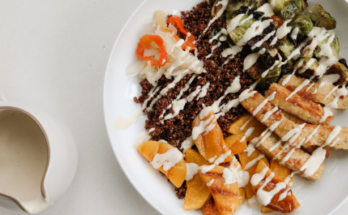
Texture plays a significant role in making meals enjoyable. Balanced cooking techniques aim to include a variety of textures in each dish, such as crisp, tender, and creamy elements. For example, pairing roasted vegetables with a light sauce or combining crunchy toppings with soft grains can enhance the eating experience. Paying attention to texture not only improves satisfaction but also helps prevent meals from feeling monotonous.
Time management is another practical consideration. Balanced cooking does not require elaborate or time-consuming processes. Simple techniques like batch cooking, prepping ingredients in advance, and using versatile staples can save time while maintaining quality. Cooking larger portions and storing them safely for later use can reduce daily effort and support consistent healthy eating habits. This approach is especially useful for individuals with busy schedules who still want to enjoy home-cooked meals.
Kitchen safety and cleanliness are equally important. Proper handling of ingredients, maintaining clean surfaces, and cooking foods to appropriate temperatures contribute to both health and confidence in cooking. Balanced cooking includes being mindful of these practices, ensuring that meals are prepared in a safe and organized environment. This attention to detail supports long-term habits that make cooking more enjoyable and sustainable.
Cultural diversity adds another layer to balanced cooking. Exploring different cuisines introduces a wide range of ingredients and techniques that can inspire creativity. Many traditional cooking styles naturally emphasize balance, combining fresh produce, grains, and proteins in harmonious ways. Learning from these traditions can broaden understanding and provide new ideas for everyday meals. At the same time, adapting recipes to personal preferences and available ingredients allows for flexibility without losing authenticity.
Balanced cooking also encourages mindful eating. Taking time to prepare and enjoy meals can improve awareness of hunger and fullness cues. This practice helps prevent overeating and supports a more positive relationship with food. By focusing on quality and enjoyment rather than restriction, balanced cooking promotes a sustainable approach to nutrition that fits into daily life.
For beginners, starting with simple recipes and gradually building skills is an effective way to develop confidence. Learning basic techniques such as chopping, sautéing, and seasoning provides a strong foundation. Over time, experimenting with different methods and ingredients can lead to more advanced dishes. The goal is not perfection but progress, allowing each cooking experience to contribute to personal growth.
For experienced cooks, balanced cooking offers an opportunity to refine techniques and explore new combinations. Adjusting cooking methods to enhance both flavor and nutrition can lead to more thoughtful and satisfying meals. This approach encourages continuous learning and creativity, keeping the cooking process engaging and rewarding.
In conclusion, balanced cooking techniques are about creating harmony in the kitchen. By combining different methods, choosing ingredients thoughtfully, and paying attention to flavor, texture, and nutrition, anyone can prepare meals that are both enjoyable and beneficial. This approach is flexible, inclusive, and adaptable, making it suitable for people at all skill levels. With practice and curiosity, balanced cooking can become a natural and fulfilling part of everyday life.