Clean cooking is more than a trend; it is a practical, sustainable way to improve everyday nutrition and support long-term health. At its core, clean cooking focuses on preparing meals with whole, minimally processed ingredients while using methods that preserve nutrients and reduce unnecessary additives. This approach does not require perfection or strict rules. Instead, it encourages thoughtful choices that make food both nourishing and enjoyable.
One of the key ideas behind clean cooking is simplicity. Fresh vegetables, fruits, whole grains, lean proteins, and healthy fats form the foundation of meals. When ingredients are closer to their natural state, they tend to retain more vitamins, minerals, and beneficial compounds. Cooking methods such as steaming, roasting, sautéing, and grilling can enhance flavor without relying heavily on excess oils, sugar, or salt. By focusing on these techniques, it becomes easier to create meals that are both satisfying and aligned with better nutrition.
Another important aspect is ingredient awareness. Reading labels and understanding what goes into food can make a meaningful difference. Many packaged items contain added sugars, preservatives, and artificial flavors that may not support overall wellness when consumed frequently. Clean cooking encourages choosing ingredients with recognizable components and fewer additives. For example, selecting whole oats instead of instant flavored varieties or preparing homemade sauces instead of relying on highly processed alternatives can help reduce unnecessary extras while improving taste.
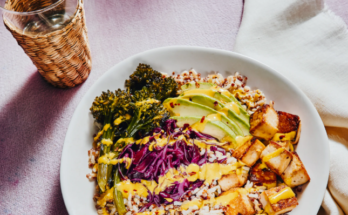
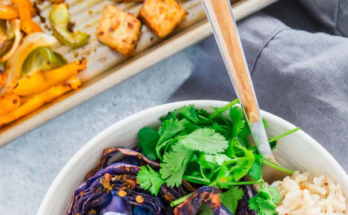
Cooking at home plays a major role in this approach. When meals are prepared from scratch, there is greater control over portion sizes, ingredients, and cooking methods. This does not mean spending hours in the kitchen every day. Simple recipes with a few fresh ingredients can be just as effective. A stir-fry with colorful vegetables and lean protein, a hearty soup made from seasonal produce, or a grain bowl with legumes and greens can all be prepared efficiently while delivering balanced nutrition.
Healthy fats are another important consideration in clean cooking. Rather than eliminating fats entirely, the focus is on choosing better sources. Options like olive oil, avocados, nuts, and seeds provide essential fatty acids that support heart health and overall well-being. Using these in moderation enhances both flavor and nutritional value. Cooking methods that require less oil, such as baking or steaming, can further support a balanced intake.
Flavor does not need to be sacrificed in clean cooking. Herbs, spices, citrus, and natural aromatics like garlic and onions can transform simple ingredients into vibrant dishes. These additions not only enhance taste but also offer potential health benefits. For instance, herbs and spices often contain antioxidants that contribute to overall wellness. Experimenting with different flavor combinations can make meals more enjoyable and reduce the need for heavy sauces or excessive seasoning.
Hydration and beverage choices are also part of the clean cooking lifestyle. Preparing drinks at home, such as infused water or herbal teas, can be a refreshing alternative to sugary beverages. These options help maintain hydration without adding unnecessary calories or artificial ingredients. Paying attention to what is consumed alongside meals is just as important as the food itself.
Portion balance is another factor to consider. Clean cooking is not about restriction but about creating meals that include a variety of nutrients in appropriate amounts. A balanced plate often includes a mix of vegetables, protein, and whole grains. This combination helps provide sustained energy and supports overall health. Listening to hunger cues and eating mindfully can further enhance the benefits of this approach.
Time management can make clean cooking more accessible. Planning meals ahead and preparing ingredients in advance can reduce stress during busy days. Washing and chopping vegetables, cooking grains in batches, or marinating proteins ahead of time can make it easier to assemble meals quickly. This preparation helps maintain consistency and reduces the temptation to rely on less nutritious convenience foods.
Clean cooking also supports environmental awareness. Choosing seasonal and locally sourced ingredients when possible can reduce the environmental impact associated with food transportation and storage. Additionally, minimizing food waste by using leftovers creatively or composting can contribute to a more sustainable kitchen. These practices align with the broader goal of mindful consumption and responsible living.
It is important to approach clean cooking with flexibility. Everyone’s nutritional needs and preferences are different, and there is no one-size-fits-all method. The goal is to make gradual, sustainable changes that fit individual lifestyles. Small steps, such as incorporating more vegetables into meals or swapping refined grains for whole options, can lead to meaningful improvements over time.
Clean cooking can also be a social and enjoyable activity. Preparing meals with family or friends creates opportunities to share knowledge, experiment with recipes, and build positive habits together. Cooking at home can become a rewarding experience that goes beyond nutrition, fostering connection and creativity.
Incorporating clean cooking into daily life does not require expensive ingredients or specialized equipment. Basic kitchen tools and simple techniques are enough to get started. The focus remains on quality, freshness, and thoughtful preparation. Over time, these habits can become second nature, making it easier to maintain a balanced and nourishing diet.
Ultimately, clean cooking is about making informed choices that support both health and enjoyment. By prioritizing whole ingredients, using mindful cooking methods, and embracing variety, it is possible to create meals that are both delicious and beneficial. This approach encourages a positive relationship with food, where nourishment and flavor go hand in hand.