Cooking for health does not need to be complicated, expensive, or time-consuming. In fact, the most sustainable approach to healthy eating often comes from simple habits practiced consistently. By focusing on fresh ingredients, balanced meals, and mindful preparation, anyone can build a routine that supports long-term well-being. The key is not perfection but steady, realistic improvement that fits into everyday life.
A good place to begin is by choosing whole ingredients whenever possible. Fresh vegetables, fruits, grains, and proteins provide essential nutrients without unnecessary additives. While packaged foods can be convenient, they often contain excess salt, sugar, or preservatives. Cooking at home gives you control over what goes into your meals, allowing you to adjust flavors and portions to suit your needs. Even small changes, such as adding one extra vegetable to a dish or reducing the amount of oil used, can make a meaningful difference over time.
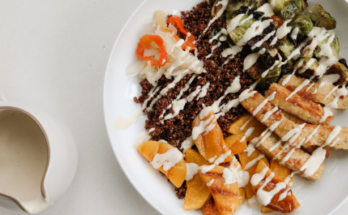
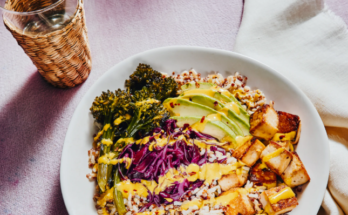
Another simple step is to keep meals balanced. A well-rounded plate typically includes a mix of carbohydrates, proteins, and healthy fats. Carbohydrates such as rice, potatoes, or whole grains provide energy, while proteins like beans, eggs, fish, or lean meats help repair and maintain the body. Healthy fats, found in foods like nuts, seeds, and certain oils, support brain function and overall health. When these elements are combined thoughtfully, meals become both satisfying and nourishing without requiring complicated recipes.
Portion awareness also plays an important role in healthy cooking. It is easy to prepare too much or rely on large servings, especially when cooking for family or sharing meals. Paying attention to portion sizes does not mean restricting food but rather understanding how much your body needs. Using smaller plates, serving food in the kitchen instead of at the table, or simply pausing before taking a second helping can help build awareness naturally.
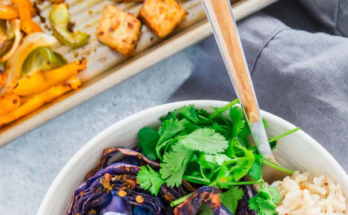
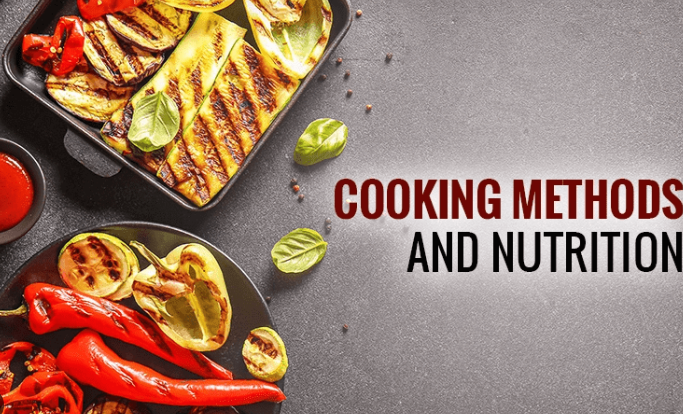
Cooking methods matter just as much as ingredients. Simple techniques such as steaming, grilling, baking, or stir-frying with minimal oil can preserve nutrients and reduce excess fats. Deep frying or heavily processed cooking methods can sometimes add unnecessary calories. Learning a few basic techniques can transform everyday meals into healthier versions without sacrificing flavor. For example, roasting vegetables with a light seasoning can bring out natural sweetness, while steaming keeps textures fresh and vibrant.
Flavor is an essential part of healthy cooking, and it does not need to rely on heavy sauces or excessive salt. Herbs, spices, garlic, ginger, and citrus can add depth and excitement to dishes. Experimenting with these natural flavor enhancers can make meals more enjoyable and encourage consistent healthy eating. Over time, your taste preferences may shift toward appreciating the natural flavors of ingredients rather than depending on strong artificial additives.
Planning ahead is another practical strategy that supports healthy cooking. Taking a little time to think about meals for the week can reduce stress and prevent last-minute reliance on less nutritious options. This does not require strict schedules or complex meal plans. Even a simple idea of what to cook over the next few days can help you shop more efficiently and reduce food waste. Preparing ingredients in advance, such as washing vegetables or cooking grains, can also make daily cooking quicker and more manageable.
Hydration is often overlooked but closely connected to cooking and eating habits. Drinking enough water supports digestion and overall health. Including water-rich foods like soups, fruits, and vegetables can also contribute to hydration. Being mindful of beverages, especially those high in added sugars, can complement your efforts in healthy cooking.
It is important to remember that healthy cooking should feel enjoyable rather than restrictive. Food is deeply connected to culture, family, and personal preferences. Adapting traditional recipes to be lighter or more balanced can be a meaningful way to maintain cultural connections while supporting health. For instance, reducing oil slightly, adding more vegetables, or choosing leaner protein options can keep the essence of a dish while improving its nutritional value.
Consistency matters more than occasional perfection. There may be days when cooking from scratch is not possible, and that is perfectly fine. The goal is to build a pattern of choices that generally support well-being. Over time, these choices become habits, and healthy cooking starts to feel natural rather than forced.
Involving others in cooking can also make the experience more rewarding. Cooking with family or friends can turn meal preparation into a shared activity, making it more enjoyable and less of a task. It can also be a chance to learn from each other, exchange ideas, and build stronger connections through food.
Finally, listening to your body is one of the most valuable skills in healthy cooking. Everyone has different needs, preferences, and responses to food. Paying attention to how certain meals make you feel can guide your choices over time. Some people may feel more energized with lighter meals, while others may need heartier options. Adjusting your cooking to suit your individual needs helps create a sustainable approach that supports both physical health and overall satisfaction.
Cooking for health is not about strict rules or complicated systems. It is about making thoughtful choices, using simple techniques, and creating meals that nourish both the body and the mind. With a focus on balance, freshness, and enjoyment, healthy cooking becomes a natural part of daily life rather than a difficult goal to achieve.