Cooking is more than just a daily necessity. It is a powerful way to support a healthier, more balanced lifestyle while also bringing enjoyment and creativity into everyday routines. By making small, thoughtful changes in the kitchen, anyone can improve not only the taste of their meals but also their overall well-being. The goal is not perfection but consistency, awareness, and a willingness to experiment.
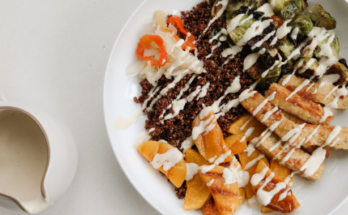
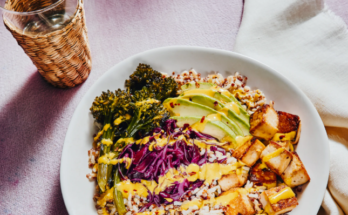
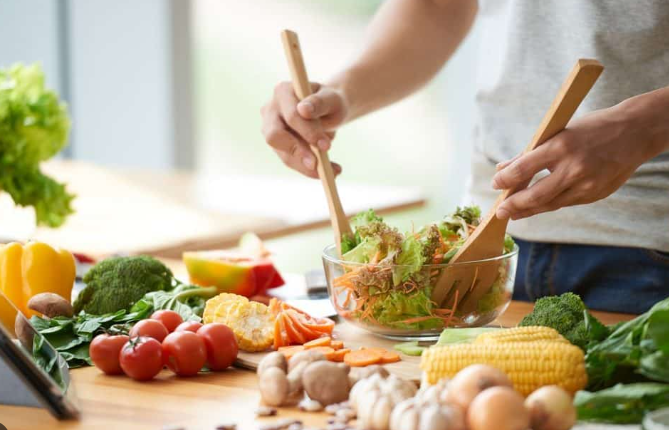
One of the most important foundations of better cooking is choosing fresh and wholesome ingredients. When meals are built around natural foods such as vegetables, fruits, whole grains, and lean proteins, the body benefits from better nutrition and sustained energy. Fresh ingredients also tend to have richer flavors, which means less reliance on heavy sauces, excessive salt, or added sugars. Visiting local markets or selecting seasonal produce can inspire new dishes and introduce variety into your meals.
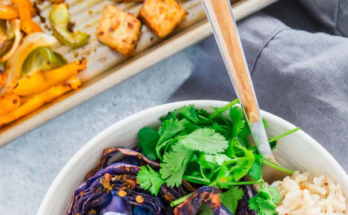
Another essential tip is learning basic cooking techniques and understanding how heat, timing, and seasoning work together. Simple skills like sautéing, roasting, steaming, and grilling can transform ordinary ingredients into satisfying meals. Mastering these techniques does not require professional training. With practice, anyone can learn how to bring out natural flavors and textures in food. For example, roasting vegetables at the right temperature enhances their sweetness, while gentle steaming preserves nutrients and color.
Meal planning plays a key role in maintaining a healthier lifestyle. When meals are planned ahead of time, it becomes easier to make balanced choices and avoid last-minute decisions that may lead to less nutritious options. Planning also reduces food waste and saves time during busy days. A good approach is to prepare a flexible weekly plan that includes a mix of proteins, grains, and vegetables, allowing room for adjustments based on availability or preference.
Portion awareness is another valuable habit in cooking. It is easy to prepare or consume more food than needed, especially when cooking without clear measurements. Paying attention to portion sizes helps maintain balance and prevents overeating. This does not mean strict restriction but rather a mindful approach to how much food is served and consumed. Using smaller plates or measuring ingredients occasionally can help build this awareness naturally over time.
Healthy cooking also involves being mindful of fats, sugars, and salt. These elements are important for flavor, but excessive use can reduce the nutritional value of meals. Instead of eliminating them entirely, it is better to use them wisely. For example, using natural herbs and spices can add depth and aroma without relying heavily on salt. Similarly, incorporating healthy fats like those from nuts, seeds, or plant oils can enhance both taste and nutrition when used in moderation.
Hydration is often overlooked in discussions about cooking and lifestyle. Preparing meals that include water-rich ingredients such as fruits, vegetables, and soups can contribute to overall hydration. Additionally, pairing meals with water or other simple beverages supports digestion and helps maintain energy levels throughout the day. Cooking at home also allows better control over beverage choices, reducing the intake of overly sweetened drinks.
Creating a comfortable and organized cooking space can significantly improve the cooking experience. When the kitchen is clean and well-arranged, it becomes easier to focus on the process and enjoy it. Keeping essential tools within reach, maintaining a tidy workspace, and preparing ingredients before cooking can make meal preparation more efficient and less stressful. A pleasant environment encourages regular cooking and fosters a positive relationship with food.
Time management is another important factor in developing better cooking habits. Many people feel they lack time to cook, but even simple meals can be prepared quickly with the right approach. Preparing ingredients in advance, cooking in batches, and using leftovers creatively can save time without sacrificing quality. For instance, cooked grains or proteins can be stored and reused in different meals throughout the week, reducing the need for daily preparation.
Experimentation is a key element of enjoyable cooking. Trying new recipes, flavors, and techniques keeps the process interesting and prevents routine from becoming dull. It also allows individuals to discover what works best for their tastes and dietary needs. Experimentation does not require complex recipes. Even small changes, such as adding a new spice or combining different ingredients, can lead to exciting results.
Mindful eating is closely connected to mindful cooking. Taking the time to appreciate the process of preparing food and the act of eating can improve both satisfaction and digestion. Eating slowly, noticing flavors and textures, and avoiding distractions during meals help create a more fulfilling experience. Cooking at home naturally supports this practice, as it encourages a deeper connection to what is being consumed.
Incorporating cooking into daily life can also have positive effects on mental well-being. The act of preparing food can be calming and rewarding, offering a sense of accomplishment. It provides an opportunity to disconnect from stress and focus on a creative and productive activity. Sharing meals with family or friends further enhances this experience, strengthening relationships and creating meaningful moments.
Consistency is more important than complexity when it comes to cooking for a better lifestyle. Small, sustainable changes often lead to long-term benefits. Preparing simple meals regularly is more effective than attempting elaborate recipes occasionally. Over time, these habits become part of a natural routine, making healthy living more achievable and enjoyable.
Finally, it is important to approach cooking with a positive mindset. Mistakes and imperfections are part of the learning process. Instead of striving for flawless results, focusing on progress and enjoyment makes cooking more accessible and less intimidating. Every meal prepared at home is an opportunity to learn, improve, and nourish both body and mind.
Cooking for a better lifestyle is not about strict rules or limitations. It is about making thoughtful choices, embracing creativity, and building habits that support overall well-being. With fresh ingredients, simple techniques, and a mindful approach, anyone can transform everyday cooking into a meaningful and rewarding part of life.