Cooking in a healthy way does not have to be complicated, expensive, or time-consuming. Many people assume that preparing nutritious meals requires special skills or rare ingredients, but in reality, small changes in everyday cooking habits can make a meaningful difference. By understanding a few basic techniques and applying them consistently, anyone can create meals that support well-being while still being enjoyable and satisfying.
One of the simplest ways to make cooking healthier is to focus on how food is prepared rather than drastically changing what is eaten. For example, switching from frying to baking or steaming can significantly reduce the amount of added fat in a meal. Frying often involves large quantities of oil, which increases calorie content without adding much nutritional value. Baking, on the other hand, allows food to cook evenly using dry heat, while steaming helps preserve natural nutrients, especially in vegetables. These methods are easy to adopt and require minimal adjustment to familiar recipes.
Another effective technique is using healthier cooking oils in moderation. Oils such as olive oil or avocado oil are often preferred because they contain beneficial fats. However, even healthier oils should be used sparingly. A light drizzle or a quick brush across a pan is often enough to prevent sticking and enhance flavor without overwhelming the dish. Learning to measure oil instead of pouring it freely can be a simple habit that leads to better results over time.
Seasoning also plays a key role in healthy cooking. Many people rely heavily on salt or pre-packaged sauces, which can contain high levels of sodium and added sugars. A more balanced approach involves using herbs, spices, citrus juice, and natural aromatics like garlic and ginger. These ingredients can add depth and flavor without compromising nutritional value. Over time, adjusting to these flavors can make meals more enjoyable while supporting healthier eating patterns.
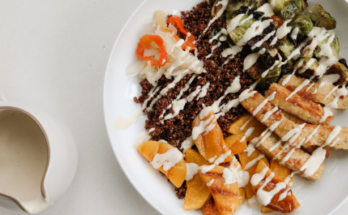
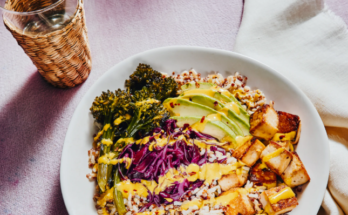
Portion awareness is another important aspect of cooking that often gets overlooked. Even nutritious foods can become less beneficial when consumed in excessive amounts. Preparing meals with balanced portions of vegetables, proteins, and whole grains helps create a more satisfying and nourishing plate. Visual cues, such as filling half the plate with vegetables, can guide portion sizes without the need for strict measurements or complicated tracking.
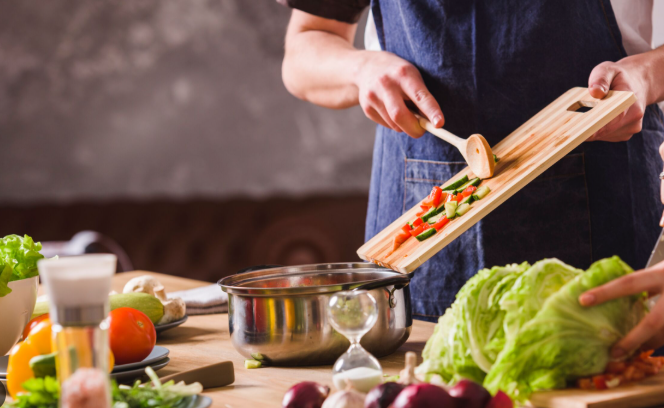
Choosing fresh ingredients whenever possible also contributes to healthier cooking. Fresh fruits, vegetables, and proteins typically contain fewer additives and retain more natural nutrients compared to highly processed alternatives. While convenience foods can be helpful in certain situations, building meals around whole ingredients often results in better flavor and improved nutritional quality. Simple practices like washing, chopping, and storing ingredients in advance can make it easier to cook regularly without feeling overwhelmed.
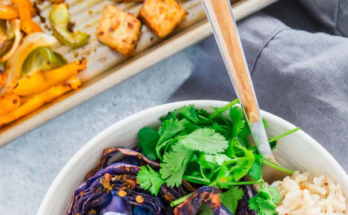
Cooking methods that retain nutrients are particularly valuable when preparing vegetables. Overcooking can lead to the loss of important vitamins and minerals. Light steaming, sautéing over medium heat, or even enjoying some vegetables raw can help preserve their benefits. Paying attention to texture and color is a useful way to gauge doneness, as vibrant colors often indicate that nutrients are still intact.
Protein preparation can also be optimized for healthier results. Lean proteins such as poultry, fish, beans, and legumes provide essential nutrients without excessive saturated fat. Trimming visible fat from meat and choosing cooking methods like grilling, baking, or poaching can help maintain a balanced approach. Marinating proteins with herbs and spices instead of heavy sauces adds flavor while keeping meals lighter.
Whole grains are another important component of healthy cooking. Replacing refined grains with options like brown rice, quinoa, or whole wheat products can increase fiber intake and provide longer-lasting energy. These grains often have a richer texture and flavor, making meals more satisfying. Cooking them properly, with the right amount of water and time, ensures they remain tender without becoming mushy.
Reducing added sugars is also a key consideration. Many recipes include sugar in larger amounts than necessary, especially in sauces and baked goods. Gradually reducing sugar or substituting with naturally sweet ingredients like fruits can help maintain flavor while lowering overall intake. Taste preferences often adjust over time, making it easier to enjoy less sugary options.
Hydration during cooking is another subtle but helpful technique. Using broth, water, or natural juices to cook foods can enhance flavor without adding unnecessary fats. For example, sautéing vegetables with a small amount of broth instead of oil can produce a similar texture while keeping the dish lighter. This method works particularly well for dishes that already contain flavorful ingredients.
Planning meals in advance can make healthy cooking more consistent and less stressful. Having a general idea of what to prepare each day reduces the temptation to rely on less nutritious options. It also allows for better use of ingredients, minimizing waste and saving time. Simple planning does not require rigid schedules but can be as flexible as choosing a few key meals for the week.
Mindful cooking is equally important. Taking time to prepare meals, noticing aromas, and paying attention to the process can create a more positive relationship with food. This approach encourages thoughtful choices and reduces the likelihood of overeating. Cooking becomes not just a task but an enjoyable activity that contributes to overall well-being.
It is also helpful to remember that healthy cooking does not mean eliminating all indulgent foods. Balance is essential. Enjoying a favorite dish occasionally, prepared with care, can be part of a sustainable lifestyle. The goal is not perfection but consistency in making better choices most of the time.
Kitchen organization supports healthier habits as well. Keeping commonly used tools and ingredients accessible makes cooking more efficient. A clean and organized space encourages regular meal preparation and reduces the stress often associated with cooking. Even small changes, such as arranging spices or pre-cutting vegetables, can make a noticeable difference.
Finally, learning and experimenting are key to maintaining interest in healthy cooking. Trying new recipes, exploring different cuisines, and adapting dishes to personal preferences keeps the process engaging. Over time, these experiences build confidence and make it easier to prepare meals that are both nutritious and enjoyable.
Healthy cooking techniques are ultimately about simplicity and consistency. By making small adjustments to methods, ingredients, and habits, anyone can create meals that support a balanced lifestyle. These changes do not require perfection or strict rules, but rather a willingness to learn and adapt. With practice, healthy cooking becomes a natural and rewarding part of everyday life.