Healthy cooking often gets framed as something time-consuming or complicated, but in reality it can be simple, flexible, and tailored to your daily routine. The key is not perfection but consistency. When cooking habits align with your schedule, preferences, and available ingredients, eating well becomes less of a chore and more of a natural part of everyday life.
One of the most effective ways to make healthy cooking fit into your routine is to start with realistic expectations. Many people feel discouraged because they try to overhaul their entire diet overnight. Instead, small adjustments tend to work better. Swapping out a few ingredients, trying one new recipe a week, or preparing an extra portion for the next day can gradually build sustainable habits without overwhelming your schedule.
Time management plays an important role in maintaining a healthy cooking routine. If weekdays are busy, consider preparing certain components in advance. Washing and chopping vegetables, cooking grains like rice or quinoa, or marinating proteins ahead of time can significantly reduce cooking time later. This approach allows you to assemble meals quickly without relying on less nutritious convenience options.
Another helpful strategy is to keep your kitchen stocked with versatile ingredients. Foods such as eggs, frozen vegetables, canned beans, whole grains, and simple seasonings can be combined in many ways. Having these staples on hand reduces the need for last-minute decisions and makes it easier to prepare balanced meals even when time is limited. Flexibility is essential, and a well-stocked kitchen supports that flexibility.
Healthy cooking does not require expensive or hard-to-find ingredients. In fact, many nutritious meals are built around simple, affordable foods. Fresh produce, whole grains, and lean proteins can often be found locally and prepared in straightforward ways. The focus should be on balance and variety rather than strict rules or trends. This mindset helps make healthy eating more accessible and easier to maintain long term.
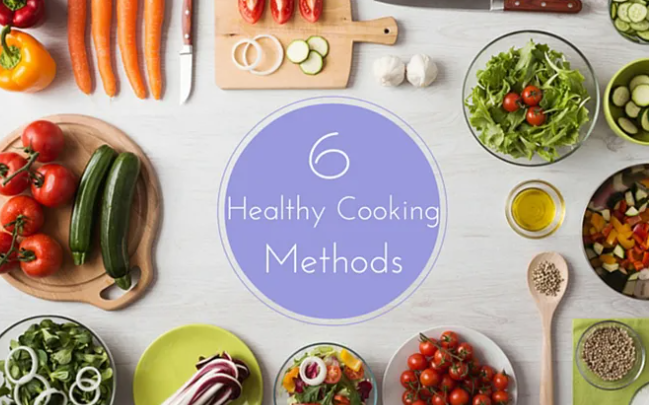
It is also important to consider your personal taste preferences. A routine that includes foods you genuinely enjoy is far more sustainable than one that feels restrictive. Experimenting with herbs, spices, and cooking methods can help bring out flavors without relying on excessive salt or sugar. Roasting, steaming, grilling, and sautéing are all techniques that can enhance natural flavors while keeping meals nutritious.
Portion awareness can naturally become part of your cooking routine without requiring strict measurement or tracking. Serving meals on appropriate-sized plates, including a mix of vegetables, proteins, and carbohydrates, and paying attention to hunger cues can support balanced eating. Cooking at home often makes it easier to control portions compared to eating out, where serving sizes can be larger than needed.
Incorporating healthy cooking into your routine also benefits from planning, but this does not have to be rigid. A flexible plan that outlines a few meals for the week can provide structure while allowing room for changes. For example, knowing you have ingredients for three or four meals can reduce decision fatigue, while still giving you the option to adjust based on your mood or schedule.
Cooking can also become a more enjoyable part of your day when it is not rushed. Even simple meals can feel more satisfying when prepared with a bit of attention and care. Playing music, involving family members, or simply taking a moment to appreciate the process can make cooking feel less like a task and more like a positive daily habit.
For those with limited time, quick and healthy recipes can be especially useful. Meals that take under 30 minutes to prepare, such as stir-fries, salads with protein, or one-pan dishes, can fit easily into busy schedules. Slow cookers or similar appliances can also help by allowing you to prepare meals with minimal active cooking time. These tools support consistency without requiring extra effort.
Another aspect of healthy cooking is staying mindful of how food makes you feel. Meals that are balanced and nourishing can support energy levels and overall well-being. Paying attention to how different foods affect your mood and energy can help guide your choices over time. This awareness makes healthy cooking more personal and responsive to your needs.
Social and cultural factors can also influence your cooking routine. Traditional recipes can often be adapted to include more nutritious ingredients or cooking methods while still preserving their original flavor and meaning. This approach allows you to maintain cultural connections while supporting your health goals.
It is worth noting that healthy cooking does not mean eliminating all treats or favorite foods. A balanced approach includes room for enjoyment and variety. Allowing occasional indulgences can help prevent feelings of restriction and support a more positive relationship with food. The goal is to create a routine that is both nourishing and enjoyable.
Building a routine takes time, and it is normal to encounter challenges along the way. Busy days, unexpected events, or limited ingredients can disrupt even the best plans. Instead of viewing these moments as setbacks, it can be helpful to see them as part of the process. Flexibility and adaptability are key components of long-term success.
Technology can also support healthy cooking habits. Access to recipes, meal ideas, and cooking tutorials makes it easier than ever to learn new skills and find inspiration. Whether you are a beginner or more experienced, there are many resources available to help you expand your cooking repertoire in a way that fits your lifestyle.
In the end, healthy cooking is not about following strict rules but about creating a routine that works for you. By focusing on simple ingredients, practical strategies, and enjoyable meals, it is possible to build habits that support both your health and your daily life. When cooking aligns with your routine, it becomes less of an obligation and more of a natural and rewarding part of each day.