Cooking is often portrayed as a time-consuming task that requires precision, skill, and patience. For many people, this perception turns a daily necessity into a source of pressure. However, preparing meals does not have to feel overwhelming. Healthy cooking can be simple, enjoyable, and even relaxing when approached with the right mindset and practical strategies.
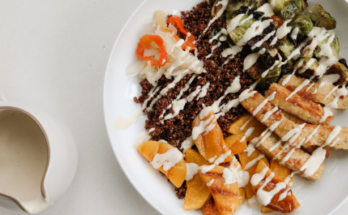
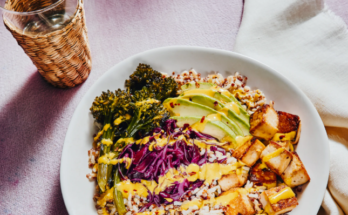
One of the most effective ways to reduce stress in the kitchen is to shift expectations. Not every meal needs to be elaborate or perfectly presented. Nutritious food can come from simple combinations of fresh ingredients prepared in straightforward ways. A bowl of rice with sautéed vegetables and a protein source can be just as nourishing as a more complex dish. By focusing on balance rather than perfection, cooking becomes more approachable and less intimidating.
Planning ahead can make a significant difference in reducing daily pressure. Setting aside a small amount of time each week to think about meals helps eliminate last-minute decisions that often lead to stress. This does not require a rigid schedule. Even a loose idea of what you might cook for a few days can provide structure while allowing flexibility. When you know what ingredients you need, grocery shopping becomes quicker and more efficient, saving both time and energy.
Another helpful approach is to keep your kitchen stocked with versatile ingredients. Items such as whole grains, frozen vegetables, canned beans, eggs, and basic seasonings can be combined in countless ways. These staples act as a safety net for busy days when you do not have the time or motivation to prepare something complicated. Having reliable options on hand ensures that you can still create a healthy meal without starting from scratch.
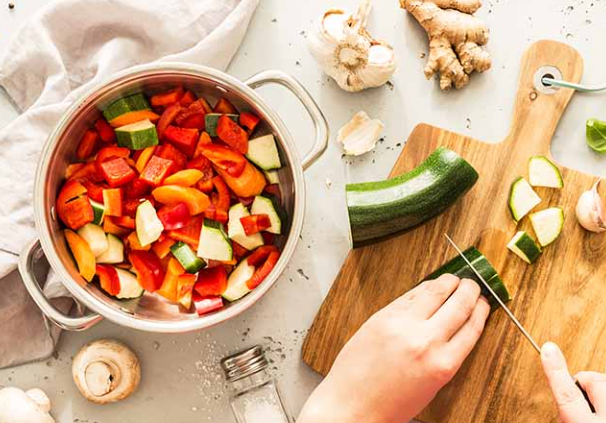
Time-saving techniques also play an important role in stress-free cooking. Preparing ingredients in advance, such as washing and cutting vegetables or cooking a batch of grains, can significantly reduce the effort required during the week. Cooking larger portions and storing leftovers for later use is another practical strategy. This method allows you to enjoy home-cooked meals without repeating the entire process every day.
It is equally important to create a comfortable cooking environment. A clean and organized kitchen can have a surprisingly positive impact on your mood. When tools and ingredients are easy to find, the cooking process becomes smoother and more enjoyable. Playing soft music or allowing natural light into the space can further enhance the experience, turning cooking into a moment of calm rather than a chore.
Healthy cooking does not mean eliminating all indulgences or strictly following complicated dietary rules. It is about making mindful choices that support overall well-being. Incorporating a variety of fruits, vegetables, whole grains, and proteins into your meals provides essential nutrients while keeping dishes interesting. At the same time, allowing yourself occasional treats helps maintain a balanced and sustainable approach to eating.
Listening to your own preferences is another key element. Recipes can serve as helpful guides, but they do not need to be followed exactly. Adjusting ingredients and flavors to suit your taste can make cooking more enjoyable and less restrictive. This flexibility encourages creativity and helps build confidence in the kitchen over time.
For those who feel short on time, simple cooking methods can be especially useful. Steaming, stir-frying, roasting, and one-pot meals require minimal preparation and cleanup. These techniques allow you to prepare wholesome dishes quickly while preserving the natural flavors of ingredients. Choosing methods that match your schedule helps ensure that cooking remains manageable even on busy days.
Involving family members or friends in the cooking process can also reduce stress and make the experience more enjoyable. Sharing tasks, such as chopping vegetables or setting the table, creates a sense of teamwork and connection. Cooking together can turn meal preparation into a social activity rather than a solitary obligation.
Another important aspect of stress-free cooking is self-compassion. It is normal to have days when cooking feels difficult or when meals do not turn out as expected. Instead of viewing these moments as failures, they can be seen as part of the learning process. Being kind to yourself helps maintain a positive relationship with food and cooking.
Technology can also provide support in the kitchen. There are many reliable resources that offer simple recipes, cooking tips, and meal ideas. Using these tools can inspire creativity and reduce the uncertainty that sometimes accompanies meal preparation. However, it is important to choose sources that emphasize balanced and realistic approaches rather than overly restrictive or complicated methods.
Mindfulness can transform cooking into a more peaceful experience. Paying attention to the colors, textures, and aromas of ingredients can make the process more engaging. Taking a moment to appreciate each step, from washing vegetables to stirring a pot, encourages a slower and more relaxed pace. This mindful approach not only reduces stress but also enhances the overall enjoyment of the meal.
Portion awareness is another gentle way to support healthy eating without adding pressure. Serving appropriate amounts helps maintain balance while allowing room for satisfaction. There is no need for strict measurements or rules. Listening to your body’s signals and adjusting portions accordingly can guide you toward a more intuitive approach to eating.
Consistency is more valuable than perfection when it comes to healthy cooking. Small, sustainable habits tend to have a greater impact over time than occasional efforts to follow strict routines. Preparing simple meals regularly builds confidence and establishes a rhythm that makes cooking feel natural.
Finally, it is helpful to remember that cooking is a personal journey. What works for one person may not work for another. Finding methods and routines that fit your lifestyle is essential for maintaining a stress-free approach. Whether you prefer quick meals, batch cooking, or experimenting with new recipes, the goal is to create a system that feels comfortable and sustainable.
Healthy cooking without stress is not about achieving an ideal standard. It is about creating a positive and manageable relationship with food and meal preparation. By focusing on simplicity, planning, flexibility, and self-compassion, anyone can turn cooking into an enjoyable part of daily life.