Creating healthier meals at home does not require a complete overhaul of your kitchen or a strict, hard-to-follow diet. Small, thoughtful changes can make a meaningful difference in how you cook, eat, and feel every day. By focusing on simple adjustments that fit naturally into your routine, you can build habits that support better nutrition without adding stress or complexity.
One of the easiest ways to start is by rethinking the ingredients you keep within reach. A kitchen stocked with whole, minimally processed foods makes healthier choices almost automatic. Fresh fruits, vegetables, whole grains, and lean proteins can replace heavily processed items that often contain excess salt, sugar, and unhealthy fats. When these nourishing options are visible and convenient, you are more likely to use them in your daily meals.
Another effective change is to simplify how meals are prepared. Cooking methods play a big role in overall health. Baking, steaming, grilling, or sautéing with small amounts of healthy oils can bring out natural flavors without adding unnecessary calories. These methods also preserve more nutrients compared to deep frying or overcooking. Over time, your taste preferences can shift toward appreciating the natural flavors of ingredients rather than relying on heavy sauces or additives.
Portion awareness is another gentle but powerful adjustment. Instead of focusing on restriction, it helps to become more mindful of serving sizes. Using smaller plates, serving food directly from the kitchen instead of family-style at the table, and taking time to eat slowly can help prevent overeating. These subtle habits encourage a more balanced approach to meals without the need for strict rules.
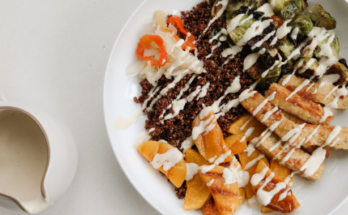
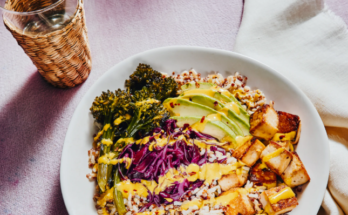
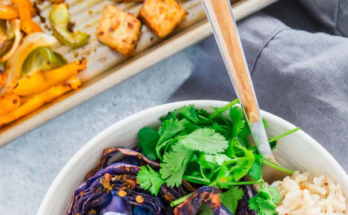
Incorporating more vegetables into everyday cooking is one of the most impactful changes you can make. Vegetables add color, texture, and important nutrients to meals. They can be blended into sauces, added to soups, mixed into rice dishes, or used as the base for main courses. By gradually increasing the amount and variety of vegetables you use, meals become more satisfying and nourishing without feeling like a sacrifice.
Another helpful shift is to pay attention to beverages. Drinks can quietly add large amounts of sugar and calories to your diet. Replacing sugary drinks with water, herbal teas, or naturally flavored water can make a noticeable difference. Keeping a reusable water bottle nearby can serve as a simple reminder to stay hydrated throughout the day.
Planning meals ahead of time can also support healthier eating. When meals are decided in advance, there is less reliance on last-minute options that may not be as balanced. Planning does not need to be complicated. Even a rough idea of what you will cook for the next few days can help guide grocery shopping and reduce stress during busy moments. This approach encourages consistency and makes it easier to maintain healthier habits.
The way food is seasoned can also be adjusted to support better health. Instead of relying heavily on salt or packaged sauces, try using herbs, spices, citrus, and natural aromatics like garlic and ginger. These ingredients enhance flavor while keeping meals lighter and more wholesome. Over time, your palate can adapt, making it easier to enjoy foods with less added sodium.
Making small swaps in everyday recipes is another practical strategy. Choosing whole grain versions of bread, pasta, or rice can increase fiber intake and provide longer-lasting energy. Using natural sweeteners in moderation or reducing added sugar in recipes can also help create a more balanced diet. These changes do not require giving up favorite meals but instead improve them gradually.
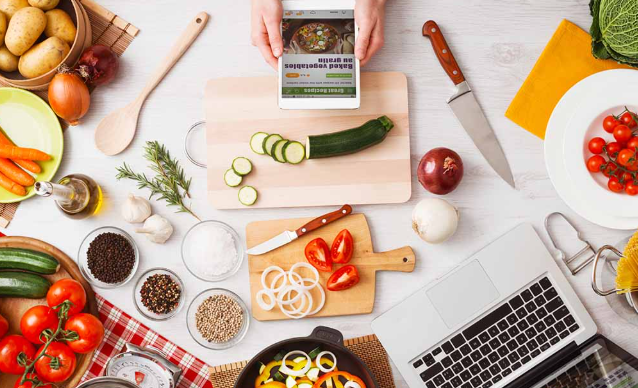
Creating a positive cooking environment can make healthy habits more enjoyable. A clean, organized kitchen encourages you to cook more often and try new ideas. Keeping essential tools accessible and maintaining a pleasant space can turn meal preparation into a satisfying routine rather than a chore. When cooking feels approachable, it becomes easier to stay consistent.
It is also helpful to involve others in the process when possible. Cooking with family members or friends can make the experience more engaging and rewarding. Sharing meals together can foster a sense of connection while reinforcing healthier choices. Even small moments, like preparing ingredients together or trying a new recipe, can create lasting habits.
Listening to your body is an important part of building a healthier relationship with food. Paying attention to hunger and fullness cues helps guide how much and when to eat. This approach supports balance and reduces the likelihood of overeating or undereating. Over time, it encourages a more intuitive and sustainable way of eating.
Consistency matters more than perfection when it comes to healthy eating. Occasional indulgences are part of a balanced lifestyle and should not be a source of guilt. What matters most is the overall pattern of choices made over time. By focusing on steady, realistic improvements, you can create habits that last.
Making changes gradually can help them stick. Trying to change everything at once can feel overwhelming and difficult to maintain. Instead, start with one or two small adjustments and build from there. Each positive step reinforces the next, creating a strong foundation for long-term health.
Affordable choices can also support healthier meals. Eating well does not have to be expensive. Seasonal produce, simple grains, and basic proteins can form the basis of nutritious meals without straining your budget. Planning and cooking at home often reduce costs compared to frequent dining out, while also giving you more control over ingredients.
Finally, maintaining a flexible mindset can make the process more enjoyable. Healthy eating is not about rigid rules but about finding what works for your lifestyle. Preferences, schedules, and needs can change, and your approach can adapt along the way. By staying open and patient, you can build a way of eating that feels both satisfying and sustainable.
Small kitchen changes can lead to meaningful improvements in your daily meals and overall well-being. By focusing on simple, practical steps, you can create a healthier environment that supports your goals without adding pressure. Over time, these changes become part of your routine, helping you enjoy food in a way that is both nourishing and enjoyable.