Healthy cooking for everyday comfort is less about perfection and more about creating a steady rhythm in the kitchen that supports both your body and your peace of mind. Many people assume that healthy meals require complicated recipes, expensive ingredients, or strict rules, but the truth is far simpler. Comfort and nourishment can coexist in meals that are approachable, satisfying, and easy to prepare on a regular basis.
At its core, healthy cooking begins with a mindset shift. Instead of viewing food as something that must meet rigid standards, it helps to see it as a source of steady energy and enjoyment. This perspective allows for flexibility while still encouraging thoughtful choices. A balanced meal can include familiar flavors and comforting textures while also providing essential nutrients that support daily well-being.
One of the easiest ways to bring comfort into healthy cooking is by focusing on whole, minimally processed ingredients. Fresh vegetables, fruits, grains, legumes, and proteins can form the foundation of meals that feel both hearty and light. These ingredients do not need to be prepared in elaborate ways to taste good. Simple cooking methods such as roasting, steaming, sautéing, or slow simmering can bring out natural flavors without overwhelming the dish.
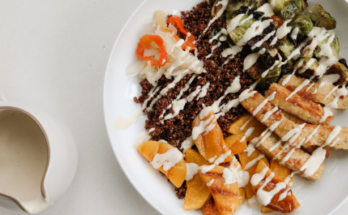
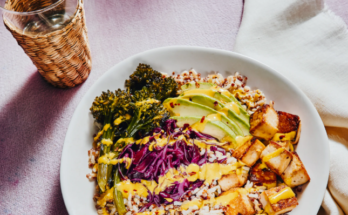
Another helpful approach is to build meals around balance rather than restriction. Including a mix of carbohydrates, proteins, and healthy fats can help create dishes that are satisfying and sustaining. For example, a bowl of warm grains paired with roasted vegetables and a source of protein can feel comforting while also providing lasting energy. Adding herbs, spices, or a light sauce can enhance flavor without complicating the process.
Comfort in cooking also comes from familiarity. Many people have favorite dishes that remind them of home or positive experiences. These recipes can often be adapted in simple ways to support healthier habits while preserving their essence. For instance, adjusting cooking methods, moderating certain ingredients, or adding more vegetables can refresh a familiar meal without taking away its comforting qualities. The goal is not to replace tradition, but to gently evolve it.
Time plays an important role in everyday cooking. Busy schedules can make it difficult to prepare meals from scratch each day, which is why planning ahead can make a significant difference. Preparing ingredients in advance, such as washing and chopping vegetables or cooking grains in batches, can reduce stress during the week. Having a few reliable recipes that can be made quickly also helps maintain consistency without feeling overwhelmed.
Another aspect of healthy cooking for comfort is paying attention to how meals make you feel. Food should leave you feeling satisfied, energized, and content rather than overly full or sluggish. This awareness can guide portion sizes and ingredient choices without the need for strict measurement or tracking. Listening to your body’s signals allows for a more natural and sustainable relationship with food.
Flavor is essential in making healthy meals enjoyable. Simple additions such as garlic, onions, citrus, herbs, and spices can transform basic ingredients into something appealing and comforting. Experimenting with different flavor combinations can keep meals interesting and prevent the routine from becoming repetitive. Over time, this exploration can build confidence in the kitchen and encourage creativity.
Cooking at home also provides an opportunity to slow down and connect with the process. Even small moments, such as stirring a pot or preparing ingredients, can become calming rituals in a busy day. This sense of ease contributes to the overall feeling of comfort that extends beyond the meal itself. It turns cooking into something supportive rather than stressful.
It is also important to recognize that healthy cooking does not require complete consistency. There will be days when meals are simpler or less balanced, and that is part of a normal routine. What matters most is the overall pattern over time. Allowing for flexibility helps prevent unnecessary pressure and keeps the experience positive.
For those who are just beginning to focus on healthier cooking habits, starting small can be the most effective approach. Choosing one or two meals to prepare at home each week, or incorporating an additional vegetable into familiar dishes, can gradually build confidence. Over time, these small changes can develop into lasting habits that feel natural rather than forced.
The kitchen environment itself can also influence how cooking feels. Keeping the space organized, stocked with basic ingredients, and equipped with essential tools can make the process smoother. A welcoming kitchen does not need to be elaborate, but having what you need within reach can make cooking more enjoyable and less time-consuming.
Sharing meals, when possible, can enhance the sense of comfort associated with healthy cooking. Whether with family, friends, or even through preparing food for others, this connection adds meaning to the experience. It reinforces the idea that food is not only about nourishment, but also about care and community.
Healthy cooking for everyday comfort is ultimately about finding a rhythm that works for your lifestyle. It is about choosing ingredients and methods that support your well-being while still honoring your preferences and traditions. By keeping things simple, flexible, and enjoyable, it becomes easier to maintain a consistent approach that feels both satisfying and sustainable.
Over time, these habits can transform the way you think about food and cooking. What once may have felt like a task can become a source of comfort and stability in daily life. With a balanced approach, healthy cooking can fit naturally into your routine, offering both nourishment and a sense of ease that supports you day after day.