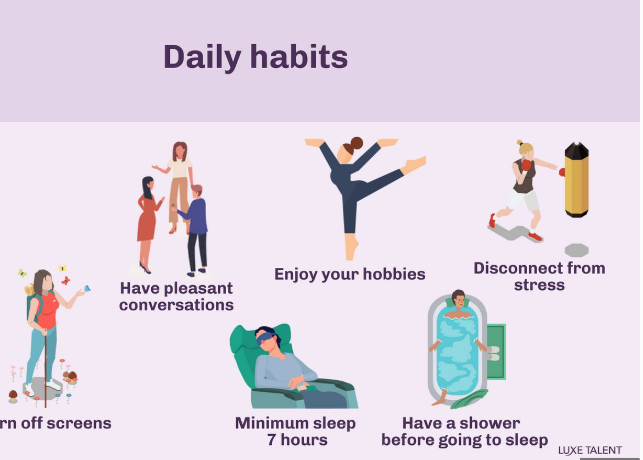
Losing belly fat does not have to mean extreme diets, exhausting workouts, or complicated routines. In fact, some of the most effective changes are also the simplest. By making small, consistent adjustments to your daily habits, you can support your body in a natural and sustainable way. The key is to focus on realistic improvements that fit comfortably into your lifestyle rather than chasing quick fixes that are hard to maintain.
One of the most impactful changes you can make is improving your eating habits. This does not mean cutting out entire food groups or following restrictive trends. Instead, focus on balance and awareness. Try to include more whole foods such as vegetables, fruits, lean proteins, and whole grains. These foods tend to be more filling and nutrient-dense, which can help you avoid overeating without feeling deprived. Eating slowly and paying attention to hunger cues can also make a big difference. When you give your body time to recognize fullness, you are less likely to consume excess calories.
Hydration plays a surprisingly important role in managing belly fat. Drinking enough water throughout the day supports digestion and can help prevent unnecessary snacking that often comes from mistaking thirst for hunger. Starting your day with a glass of water and keeping a bottle nearby can make it easier to stay consistent. While sugary drinks and excessive alcohol can contribute to weight gain around the midsection, replacing them with water or unsweetened beverages is a simple and effective adjustment.
Another powerful yet often overlooked factor is sleep. Poor sleep can disrupt hormones that regulate appetite and stress, which may lead to increased cravings and fat storage, especially around the belly area. Aim for a consistent sleep schedule by going to bed and waking up at the same time each day. Creating a relaxing bedtime routine, such as reducing screen time and keeping your sleeping environment comfortable, can improve sleep quality over time.
Stress management is equally important. When stress levels remain high for long periods, the body produces more cortisol, a hormone linked to fat accumulation around the abdomen. Finding healthy ways to manage stress can help support your overall well-being. This might include activities such as walking outdoors, practicing deep breathing, listening to calming music, or engaging in hobbies you enjoy. Even a few minutes of relaxation each day can have a positive impact.
Physical activity does not have to be intense or time-consuming to be effective. Consistency matters more than intensity when it comes to long-term results. Incorporating more movement into your daily routine can be as simple as taking short walks, using the stairs instead of the elevator, or stretching during breaks. If you enjoy structured exercise, combining light cardio with basic strength training can help improve muscle tone and metabolism. The goal is to find activities you genuinely enjoy so that staying active feels less like a chore and more like a natural part of your day.
Mindful eating is another useful approach. This involves paying attention to what and how you eat without distractions. Avoid eating while scrolling on your phone or watching television, as this can lead to overeating without realizing it. By focusing on your meals, you can better appreciate flavors and textures while also recognizing when you are satisfied. Over time, this awareness can help you make healthier choices without feeling forced.
Portion awareness can also support belly fat loss without requiring strict dieting. Instead of drastically reducing your food intake, try adjusting portion sizes gradually. Using smaller plates or serving appropriate portions can help you maintain balance without feeling restricted. This approach encourages a healthier relationship with food and reduces the likelihood of overeating.
Consistency is the foundation of all these lifestyle tweaks. Quick results may seem appealing, but lasting change comes from steady progress. It is important to be patient with yourself and recognize that small improvements add up over time. Rather than aiming for perfection, focus on making better choices more often than not. Even if you occasionally slip back into old habits, what matters most is getting back on track without guilt.
It is also helpful to set realistic expectations. Everyone’s body is different, and results can vary depending on factors such as age, genetics, and overall health. Instead of comparing yourself to others, focus on your own progress and how you feel. Increased energy, improved mood, and better sleep are all positive signs that your efforts are working, even if physical changes take time to appear.
Creating a supportive environment can make these changes easier to maintain. Surround yourself with habits that encourage healthier choices. Keep nutritious foods accessible, plan your meals ahead when possible, and create routines that align with your goals. If you live with others, sharing your intentions can also help build a supportive atmosphere where healthy habits are encouraged.
Another simple but effective strategy is to track your habits rather than obsess over results. Keeping a journal or using a simple app to note your daily activities, meals, and sleep patterns can increase awareness and motivation. This is not about strict monitoring but about understanding your routines and identifying areas for improvement.
Finally, remember that lifestyle changes should feel sustainable and enjoyable. If a habit feels overly restrictive or stressful, it is less likely to last. Choose adjustments that align with your preferences and daily life. Over time, these small, manageable tweaks can lead to meaningful improvements in your overall health and help reduce belly fat in a natural way.
By focusing on balance, consistency, and self-awareness, you can create a healthier lifestyle without overwhelming yourself. The journey does not have to be complicated. Simple, thoughtful changes can lead to lasting results and a greater sense of well-being.