Healthy cooking often gets an unfair reputation for being bland, restrictive, or overly complicated. Many people imagine plain vegetables, dry proteins, and meals that feel more like obligations than pleasures. In reality, healthy cooking can be deeply satisfying, rich in flavor, and enjoyable to prepare. The key lies in understanding how to balance nutrition with taste using simple, thoughtful techniques.
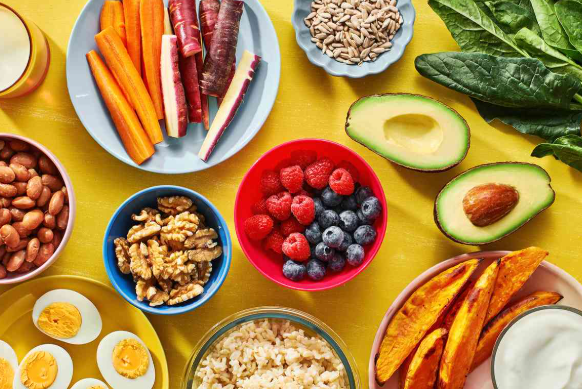
One of the most effective ways to enhance flavor without compromising health is by focusing on fresh, whole ingredients. Fresh vegetables, herbs, fruits, and high-quality proteins naturally carry more taste than processed alternatives. When ingredients are at their peak, they require less added fat, sugar, or salt to shine. A ripe tomato, for example, delivers sweetness and acidity on its own, eliminating the need for heavy sauces.
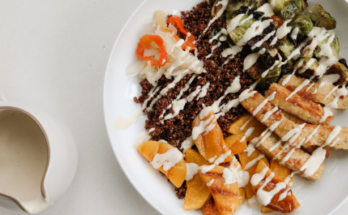
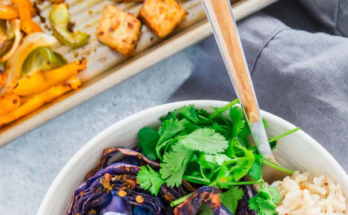
Cooking methods also play a major role in flavor development. Roasting, grilling, sautéing, and steaming each bring out different characteristics in food. Roasting vegetables caramelizes their natural sugars, creating a rich and slightly sweet taste. Grilling adds a smoky depth that can transform even simple ingredients into something memorable. These techniques allow you to build complexity without relying on unhealthy additives.
Seasoning is another essential element. Many people associate healthy food with minimal seasoning, but this is a misconception. Herbs and spices are powerful tools that add layers of flavor without adding calories or harmful ingredients. Garlic, ginger, cumin, paprika, basil, and turmeric can completely change the profile of a dish. Learning how to combine these elements can turn a basic meal into something vibrant and exciting.
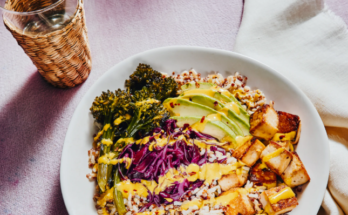
Healthy fats are equally important. While excessive fat can be harmful, the right types in moderate amounts actually enhance both flavor and nutrition. Ingredients like olive oil, avocados, nuts, and seeds add richness and help carry flavors throughout a dish. A drizzle of olive oil over roasted vegetables or a sprinkle of toasted seeds on a salad can elevate both taste and texture.
Texture should not be overlooked. A satisfying meal often includes a contrast of textures, such as crisp, creamy, and tender elements combined in one dish. For example, pairing crunchy vegetables with a smooth dressing or adding roasted nuts to a soft grain bowl creates a more enjoyable eating experience. When food feels interesting in the mouth, it naturally becomes more appealing.
Another approach to maintaining flavor is reducing reliance on excessive salt and sugar by gradually adjusting your palate. Many processed foods are designed to be overly salty or sweet, which can dull sensitivity to natural flavors over time. By slowly cutting back and replacing these elements with herbs, spices, and natural sweetness from fruits, your taste preferences can shift toward healthier options without feeling deprived.
Cooking at home provides full control over ingredients and preparation methods. This allows you to experiment and discover combinations that suit your personal preferences. It also helps avoid hidden additives commonly found in restaurant or packaged foods. Even simple home-cooked meals can surpass takeout in both flavor and nutritional value when prepared with care.
Planning ahead can make healthy cooking more convenient and enjoyable. Preparing ingredients in advance, such as washing vegetables or marinating proteins, reduces effort during busy times. Having a variety of healthy staples on hand encourages better choices and makes it easier to assemble meals quickly without sacrificing quality.
It is also helpful to rethink traditional recipes rather than abandoning them altogether. Many classic dishes can be adapted with healthier ingredients or cooking techniques. For example, baking instead of frying, using whole grains instead of refined ones, or incorporating more vegetables into familiar meals can maintain the essence of a dish while improving its nutritional profile. These small adjustments allow you to enjoy favorite foods in a more balanced way.
Mindful eating further enhances the experience of healthy cooking. Taking time to appreciate the colors, aromas, and flavors of a meal can make it more satisfying. When you are fully engaged in the process of eating, you are more likely to notice the natural richness of wholesome ingredients and feel content with balanced portions.
Variety is another important factor. Eating a wide range of foods not only ensures better nutrition but also keeps meals interesting. Exploring different cuisines can introduce new flavors and cooking techniques that align with healthy principles. Many traditional diets around the world emphasize fresh ingredients, balanced meals, and flavorful preparation methods that can inspire your own cooking.
It is worth noting that healthy cooking does not require perfection. Occasional indulgences are part of a balanced lifestyle and can coexist with nutritious habits. The goal is not to eliminate enjoyment but to create a sustainable approach where good food and good health support each other.
Over time, healthy cooking becomes less of a task and more of a creative outlet. Experimenting with new ingredients, trying different techniques, and discovering what works best for your taste can make the process rewarding. As confidence grows, so does the ability to prepare meals that are both nourishing and delicious.
Ultimately, healthy cooking without sacrificing taste is about balance, creativity, and awareness. By choosing fresh ingredients, using flavorful techniques, and embracing variety, it is entirely possible to enjoy meals that support well-being while still feeling indulgent. With a little practice and an open mind, healthy food can become something you genuinely look forward to every day.