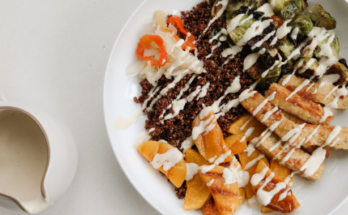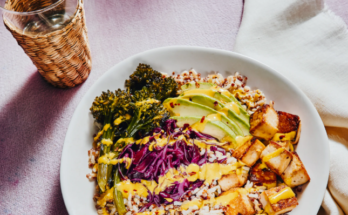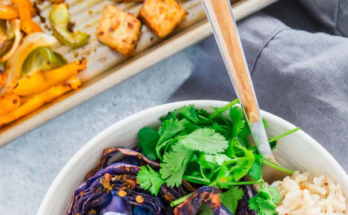
Creating healthier meals doesn’t require a complete lifestyle overhaul or complicated cooking skills. Small, consistent changes in how you plan, prepare, and think about food can make a meaningful difference in your overall well-being. By focusing on balance, freshness, and simple techniques, you can transform everyday meals into nourishing choices that support a healthier life.
One of the easiest ways to start is by choosing whole ingredients more often. Fresh vegetables, fruits, whole grains, and minimally processed proteins provide essential nutrients without unnecessary additives. Instead of relying on packaged meals, try building your dishes from basic ingredients. For example, cooking rice, grilling chicken, and adding sautéed vegetables can be just as quick as preparing a processed meal, while offering more nutritional value and better flavor.
Another helpful approach is to rethink cooking methods. The way food is prepared has a significant impact on its healthfulness. Frying, especially deep frying, can add excess oil and calories. In contrast, baking, steaming, grilling, or stir-frying with small amounts of healthy oils can preserve nutrients while reducing fat content. Even simple swaps, like roasting potatoes instead of frying them, can make a noticeable difference over time.
Portion awareness also plays a key role in healthier eating. It’s not only about what you eat, but how much you consume. Using smaller plates, serving reasonable portions, and listening to your body’s hunger signals can help prevent overeating. Eating slowly and without distractions allows you to enjoy your food more and recognize when you are satisfied, which naturally supports better portion control.
Planning meals ahead of time is another practical strategy that makes healthy eating easier. When you know what you’re going to cook, you’re less likely to reach for convenient but less nutritious options. Preparing ingredients in advance, such as washing vegetables, marinating proteins, or cooking grains in batches, can save time during busy days. This approach also reduces food waste and helps you stay consistent with your healthy eating goals.
Incorporating more vegetables into your meals doesn’t have to feel like a chore. You can add them to dishes you already enjoy. For instance, mixing vegetables into pasta sauces, soups, or rice dishes increases fiber and nutrients without drastically changing the taste. Experimenting with herbs, spices, and natural seasonings can enhance flavors, making vegetables more appealing and enjoyable.
Reducing added sugars and excess salt is another important step toward healthier meals. Many processed foods contain high levels of both, which can impact long-term health. Cooking at home allows you to control these ingredients more effectively. Instead of sugary sauces or dressings, try using natural alternatives like lemon juice, garlic, or fresh herbs to add flavor. Over time, your taste preferences will adjust, and you may find that you enjoy the natural flavors of food more.
Healthy eating also benefits from balanced meal composition. A well-rounded plate typically includes a source of protein, complex carbohydrates, and healthy fats. This balance helps maintain energy levels and keeps you feeling full longer. For example, pairing grilled fish with brown rice and a side of vegetables creates a satisfying and nourishing meal. Including a variety of food groups ensures that your body receives a wide range of nutrients.
Hydration is often overlooked when discussing healthier meals, but it plays an important role in overall wellness. Drinking enough water throughout the day supports digestion and can help regulate appetite. Sometimes thirst can be mistaken for hunger, leading to unnecessary snacking. Keeping water readily available and choosing it over sugary drinks is a simple yet effective habit.
Cooking at home more frequently is one of the most impactful changes you can make. It gives you full control over ingredients, portion sizes, and preparation methods. While it may seem time-consuming at first, it often becomes quicker with practice. Starting with simple recipes and gradually building your confidence can make the process enjoyable rather than overwhelming.
Another useful tip is to be mindful of how you shop for groceries. Creating a list before heading to the store helps you stay focused on nutritious options and avoid impulse purchases. Shopping the perimeter of the store, where fresh foods are typically located, can also encourage healthier choices. Reading labels can provide insight into what you’re buying, helping you select products with fewer additives and more natural ingredients.
It’s also important to maintain a flexible and realistic mindset. Healthy eating is not about perfection but about making better choices most of the time. Allowing yourself occasional treats without guilt can make your habits more sustainable in the long run. When you approach food with balance rather than restriction, it becomes easier to maintain a positive relationship with what you eat.
Involving family members or housemates in meal preparation can make the experience more enjoyable and encourage healthier habits for everyone. Cooking together can also be a great way to learn new recipes and share responsibilities. When meals are a shared effort, they often feel more satisfying and meaningful.
Finally, consistency matters more than drastic changes. Small improvements, such as adding an extra serving of vegetables, choosing whole grains, or cooking at home a few more times each week, can add up over time. These gradual adjustments are easier to maintain and can lead to lasting results.
Preparing healthier meals doesn’t have to be complicated or restrictive. By focusing on simple techniques, thoughtful choices, and a balanced approach, you can create meals that support your health while still being enjoyable. With time and practice, these habits can become a natural part of your daily routine, helping you feel more energized and confident in your food choices.