Improving the nutritional quality of your meals does not require a complete lifestyle overhaul or complicated diet rules. Often, small and consistent upgrades in how you cook can make a meaningful difference in your overall health. By making thoughtful adjustments to ingredients, preparation methods, and kitchen habits, you can enhance both the flavor and nutritional value of your everyday meals in a way that feels natural and sustainable.
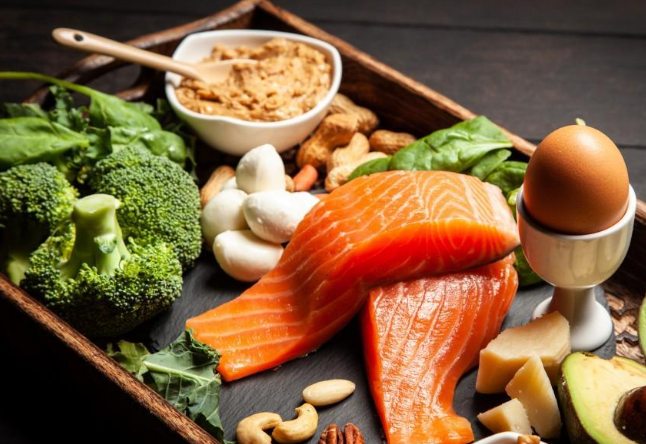
One of the easiest upgrades starts with choosing whole ingredients over highly processed ones. Whole foods such as fresh vegetables, fruits, whole grains, legumes, and lean proteins retain more nutrients and typically contain fewer additives. Instead of relying on packaged meals, try preparing simple dishes from scratch using ingredients you recognize. This shift not only improves nutrition but also gives you more control over what goes into your food.
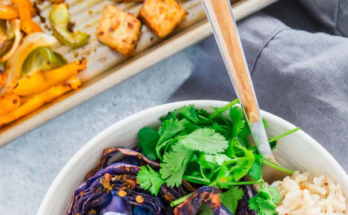
Cooking methods also play a key role in preserving nutrients. For example, steaming and sautéing vegetables lightly can help retain vitamins that might otherwise be lost through prolonged boiling. Roasting is another excellent option that enhances natural flavors without requiring excessive oil. When frying, consider switching to healthier oils and using lower temperatures to reduce unnecessary fat intake. Small changes like these can improve the nutritional profile of your meals without sacrificing taste.
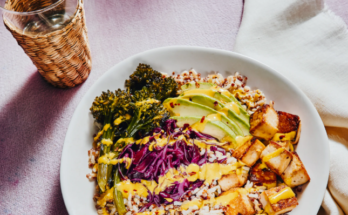
Another valuable upgrade involves incorporating a wider variety of ingredients into your cooking. Eating a diverse range of foods helps ensure your body receives different vitamins, minerals, and antioxidants. You can achieve this by adding colorful vegetables to your dishes, experimenting with different grains like quinoa or brown rice, or including plant-based proteins such as lentils and chickpeas. Variety not only benefits your health but also keeps meals interesting and enjoyable.
Reducing excess salt and sugar is another important step toward better nutrition. Many recipes rely heavily on these ingredients for flavor, but there are simple alternatives. Herbs, spices, citrus juices, and natural aromatics like garlic and ginger can enhance taste without the need for large amounts of salt. Similarly, using naturally sweet ingredients like fruits can reduce the need for added sugars. Over time, your taste preferences may adjust, making these healthier options more satisfying.
Portion awareness is another subtle but powerful upgrade. Cooking at home allows you to better manage serving sizes compared to eating out. Paying attention to balanced portions of proteins, carbohydrates, and vegetables can help support steady energy levels and overall well-being. You do not need to measure everything precisely, but being mindful of balance on your plate can make a noticeable difference.
Meal preparation habits can also support better nutrition. Planning your meals ahead of time helps you make more intentional choices and reduces the likelihood of relying on less nutritious convenience foods. Preparing ingredients in advance, such as chopping vegetables or cooking grains, can make it easier to assemble healthy meals even on busy days. This approach supports consistency, which is key to long-term success.
Another simple upgrade is improving how you handle fats in your cooking. Not all fats are the same, and choosing healthier options can benefit your overall diet. Using moderate amounts of oils like olive or other plant-based oils instead of heavily processed fats can enhance both flavor and nutritional value. Additionally, incorporating natural sources of healthy fats such as nuts, seeds, and avocados can add richness to your meals in a balanced way.
Hydration can also be supported through cooking choices. Including ingredients with high water content, such as vegetables and soups, can contribute to overall fluid intake. Preparing homemade broths or light stews can be both nourishing and hydrating, especially when combined with fresh ingredients. These meals can be comforting while still supporting your nutritional goals.
Mindful cooking is another upgrade that often goes overlooked. Taking time to prepare meals with attention and care can improve your relationship with food. When you focus on the process, you may become more aware of ingredient quality and portion sizes. This awareness can naturally lead to healthier choices without the need for strict rules or restrictions.
Improving kitchen tools and organization can also make healthy cooking more accessible. Having sharp knives, reliable cookware, and a clean workspace can make meal preparation more efficient and enjoyable. When cooking feels easier, you are more likely to do it regularly, which supports better nutrition over time.
Another helpful change is learning simple cooking techniques that maximize flavor without relying on heavy ingredients. Techniques such as roasting vegetables until they caramelize or using marinades to enhance proteins can make healthy meals more appealing. When nutritious food tastes good, it becomes easier to maintain positive habits.
It is also important to listen to your body and adjust your cooking habits accordingly. Everyone has different nutritional needs, and what works for one person may not work for another. Paying attention to how different foods make you feel can help guide your choices in a practical and personalized way.
Social and cultural aspects of cooking can further support better nutrition. Sharing meals with others, learning traditional recipes, or adapting familiar dishes with healthier ingredients can make the experience more meaningful. Food is not just about nutrients but also about enjoyment and connection, and these elements contribute to overall well-being.
Finally, consistency matters more than perfection. You do not need to change everything at once. Even one or two small upgrades can have a positive impact when practiced regularly. Over time, these changes can build into lasting habits that support better nutrition without feeling overwhelming.
Simple cooking upgrades are about making thoughtful, realistic adjustments that fit into your daily life. By focusing on whole ingredients, balanced methods, and mindful habits, you can create meals that are both nourishing and enjoyable. These changes do not require special skills or strict rules, just a willingness to experiment and find what works best for you.