Healthy cooking does not have to feel complicated, expensive, or time-consuming. In fact, some of the most effective ways to improve your daily meals come from small, consistent changes rather than dramatic overhauls. By adjusting ingredients, cooking methods, and habits, it becomes possible to enjoy delicious food while supporting long-term well-being. Everyday cooking can be both satisfying and nourishing without sacrificing flavor or comfort.
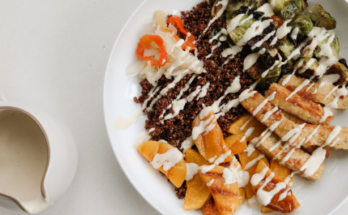
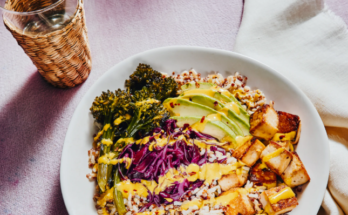
One of the simplest ways to make cooking healthier is by focusing on whole ingredients. Fresh vegetables, fruits, whole grains, lean proteins, and natural fats provide more nutrients compared to heavily processed foods. When you build meals around these ingredients, you naturally reduce excess additives like refined sugars, unhealthy fats, and high sodium levels. A meal centered on colorful vegetables and balanced proteins not only looks appealing but also supports energy and overall health.
Cooking at home gives you full control over what goes into your food. This control allows you to adjust portion sizes, choose better-quality ingredients, and avoid unnecessary preservatives. Even familiar dishes can become healthier with a few thoughtful substitutions. For example, swapping white rice for brown rice or quinoa adds fiber and nutrients. Using yogurt instead of heavy cream can reduce fat while maintaining a creamy texture. These small changes accumulate over time, leading to meaningful improvements in diet.
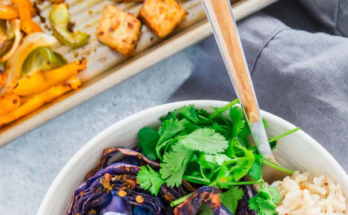
Another important aspect of healthier cooking is the method used to prepare food. Techniques like steaming, grilling, baking, and sautéing with minimal oil can preserve nutrients while reducing excess calories. Deep frying, while flavorful, often adds unnecessary fats that can be limited without losing taste. Roasting vegetables with a light drizzle of oil and herbs can create rich flavors without relying on heavy sauces. Cooking methods that highlight natural flavors make meals both enjoyable and nutritious.
Seasoning plays a key role in making healthy meals satisfying. Herbs, spices, garlic, ginger, and citrus can enhance flavor without adding extra salt or sugar. Learning how to balance flavors through seasoning allows you to reduce reliance on processed sauces and condiments. Over time, your taste preferences can adapt, making naturally flavored foods more enjoyable. This shift helps maintain healthier eating habits without feeling restrictive.
Planning meals ahead of time can make a significant difference in maintaining consistency. When meals are planned, there is less temptation to rely on convenience foods that may be less nutritious. Preparing ingredients in advance, such as washing vegetables or cooking grains in batches, saves time during busy days. Having healthy options readily available makes it easier to make better choices without added stress.
Portion awareness is another valuable habit in everyday cooking. Eating balanced portions ensures that you get the nutrients you need without overeating. Using smaller plates, serving meals thoughtfully, and paying attention to hunger cues can help maintain balance. Healthy cooking is not about strict limitation but about creating meals that satisfy both appetite and nutritional needs.
Incorporating a variety of foods into your meals also supports better health. Different ingredients provide different nutrients, so diversity in your diet helps cover a wider range of nutritional needs. Rotating vegetables, proteins, and grains keeps meals interesting and prevents monotony. Trying new recipes or ingredients occasionally can also make cooking more enjoyable and expand your culinary skills.
Hydration and cooking go hand in hand. Many meals can include water-rich ingredients such as vegetables, soups, and fruits, which contribute to overall hydration. Choosing cooking methods that retain moisture, like steaming or simmering, can help maintain both texture and nutrient content. Drinking enough water alongside meals complements healthy cooking habits and supports digestion.
It is also helpful to be mindful of added sugars and salt. Many packaged foods contain higher levels of both, which can impact long-term health if consumed excessively. By preparing meals at home, you can gradually reduce these ingredients without compromising taste. Natural sweetness from fruits or subtle seasoning from herbs can replace the need for heavy sugar or salt.
Healthy cooking should remain enjoyable rather than restrictive. Food is not only about nutrition but also about comfort, culture, and connection. Preparing meals for yourself or others can be a rewarding experience that encourages creativity. By focusing on balance instead of perfection, it becomes easier to sustain healthier habits over time.
Another important factor is consistency. Making healthier choices occasionally is helpful, but long-term benefits come from regular practice. Even small improvements, such as adding an extra serving of vegetables or choosing whole grains more often, can have a lasting impact. Consistency builds confidence in the kitchen and reinforces positive habits.
Cooking at home can also support financial well-being. Preparing meals from basic ingredients is often more affordable than relying on pre-packaged or restaurant options. Planning meals and reducing food waste by using leftovers creatively can stretch your budget while maintaining quality. Healthier cooking does not require expensive ingredients, just thoughtful choices.
It is important to remember that everyone’s needs and preferences are different. Healthy cooking should adapt to individual lifestyles, cultural traditions, and dietary requirements. There is no single perfect way to eat, but there are many ways to make meals more balanced and nourishing. Listening to your body and adjusting accordingly is a key part of maintaining a healthy relationship with food.
Involving family members or friends in cooking can also make the process more enjoyable. Sharing responsibilities in the kitchen encourages teamwork and creates opportunities to learn from each other. It also helps build positive habits for children and encourages them to appreciate healthier foods from an early age.
Over time, these everyday practices become second nature. Choosing fresh ingredients, cooking with care, and enjoying meals mindfully can transform not only your diet but also your overall lifestyle. Healthy cooking is not about strict rules or complicated techniques. It is about making thoughtful choices that support well-being while still enjoying the foods you love.
By embracing simple, practical changes, everyday cooking becomes a powerful tool for better health. Each meal is an opportunity to nourish your body, explore flavors, and build habits that last. With a balanced approach and a positive mindset, healthier cooking can fit naturally into daily life and bring lasting benefits.