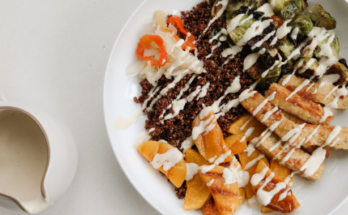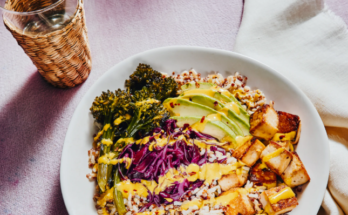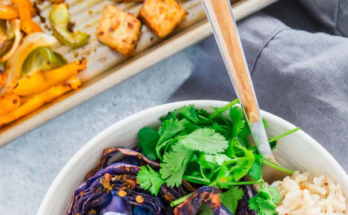
Light and balanced cooking techniques offer a refreshing way to enjoy food while supporting overall well-being. Instead of focusing on heavy sauces or excessive fats, this approach highlights natural flavors, gentle preparation methods, and thoughtful ingredient choices. The result is food that feels satisfying without being overwhelming, making it easier to maintain energy and comfort throughout the day.
At the heart of light cooking is the idea of simplicity. Fresh vegetables, lean proteins, whole grains, and natural seasonings form the foundation of many dishes. By allowing ingredients to shine on their own, there is less need for added sugars, excessive salt, or rich creams. This not only enhances taste but also creates meals that feel clean and nourishing.
One of the most effective techniques for balanced cooking is steaming. Steaming preserves the color, texture, and nutrients of vegetables better than many other methods. Broccoli, carrots, leafy greens, and even fish retain their natural taste when gently cooked with steam. This technique also avoids the need for oils, making it a great choice for those who want lighter meals without sacrificing flavor.
Another popular approach is grilling. Grilling adds a subtle smokiness that enhances both vegetables and proteins. When done properly, it requires minimal added fat. Marinating ingredients beforehand with herbs, citrus, or mild spices can deepen flavor without adding heaviness. Grilled chicken, tofu, or zucchini can become the centerpiece of a satisfying and balanced meal.
Sautéing can also be part of light cooking when done mindfully. Using a small amount of healthy oil, such as olive or avocado oil, and cooking over moderate heat allows ingredients to soften and develop flavor without becoming greasy. Adding a splash of water or broth during cooking can further reduce the need for oil while keeping the dish moist and enjoyable.
Poaching is another gentle method that fits perfectly within a balanced cooking style. This technique involves cooking food in simmering liquid, such as water, broth, or lightly seasoned stock. It works especially well for eggs, chicken, and fish. Poaching keeps proteins tender and flavorful without adding unnecessary fats, making it ideal for meals that feel light yet filling.
Baking and roasting can also be adapted for lighter cooking. Instead of coating foods heavily in oil, a light brushing or misting is often enough. Roasting vegetables like sweet potatoes, bell peppers, or cauliflower brings out their natural sweetness and depth. Using herbs and spices rather than rich sauces ensures the final dish remains balanced.
Flavor plays an important role in making light meals enjoyable. Fresh herbs such as basil, cilantro, parsley, and mint can transform simple ingredients into something vibrant. Citrus juices and zest add brightness, while spices like cumin, paprika, and ginger bring warmth without heaviness. These elements help create satisfying dishes that do not rely on rich or processed additives.
Portion awareness is another key aspect of balanced cooking. Even healthy foods can feel overwhelming when served in large quantities. Thoughtful portioning allows each ingredient to contribute to the meal without dominating it. Combining proteins, vegetables, and whole grains in appropriate amounts creates a sense of harmony on the plate.
Hydration also complements light cooking practices. Many balanced meals include water-rich foods such as cucumbers, tomatoes, and leafy greens. These ingredients contribute to a refreshing eating experience while supporting overall hydration. Soups made with clear broths and fresh ingredients are another excellent way to enjoy light yet comforting meals.
Planning ahead can make it easier to maintain this style of cooking. Preparing ingredients in advance, such as washing and cutting vegetables or marinating proteins, reduces the temptation to rely on heavier, convenience-based options. Having simple recipes ready can also encourage consistency, making balanced cooking a natural part of daily life.
Mindful eating enhances the benefits of light cooking. Taking time to enjoy meals, noticing flavors, and eating at a relaxed pace can improve satisfaction and digestion. When meals are prepared with care and attention, they often feel more rewarding, even when they are simple.
It is also helpful to focus on variety. Using a wide range of ingredients ensures meals remain interesting and nutritionally diverse. Rotating different vegetables, grains, and proteins keeps the cooking process engaging and supports a well-rounded diet. Seasonal produce can add freshness and inspiration, making each meal feel unique.
Balanced cooking does not mean sacrificing comfort or enjoyment. It simply shifts the focus toward methods and ingredients that feel good both during and after eating. Even traditional recipes can be adapted by reducing heavy elements and highlighting natural flavors. Small adjustments, such as using yogurt instead of cream or baking instead of frying, can make a meaningful difference.
Social aspects of cooking can also be part of this approach. Sharing light, flavorful meals with family or friends creates a positive connection with food. It encourages a relaxed atmosphere where meals are appreciated rather than rushed. This can make healthy habits feel more sustainable and enjoyable over time.
Ultimately, light and balanced cooking is about creating harmony between taste, nutrition, and simplicity. It encourages a thoughtful approach to food that supports both physical comfort and culinary enjoyment. By embracing gentle techniques, fresh ingredients, and mindful preparation, anyone can develop a cooking style that feels both satisfying and sustainable.