Clean cooking is more than a trend; it is a practical and sustainable approach to everyday life that supports personal well-being, environmental care, and mindful consumption. In daily routines, the way food is prepared can influence not only nutrition but also energy levels, household waste, and even long-term habits. Adopting clean cooking ideas does not require drastic changes or expensive tools. Instead, it begins with small, thoughtful decisions that gradually shape a healthier and more balanced lifestyle.
At its core, clean cooking focuses on using fresh, whole ingredients while minimizing processed foods and unnecessary additives. This means choosing vegetables, fruits, whole grains, and lean proteins that are as close to their natural state as possible. Cooking at home becomes an opportunity to understand what goes into each meal, allowing greater control over flavor, nutrition, and quality. It also encourages creativity, as simple ingredients can be transformed into satisfying dishes with the right techniques.
One of the most effective ways to maintain clean cooking habits is through preparation. Planning meals ahead of time reduces the temptation to rely on packaged or fast food options. By setting aside time to wash, chop, and store ingredients, daily cooking becomes quicker and more convenient. A well-prepared kitchen, stocked with essentials like grains, herbs, and healthy oils, supports consistency and makes it easier to stick to clean cooking principles even on busy days.
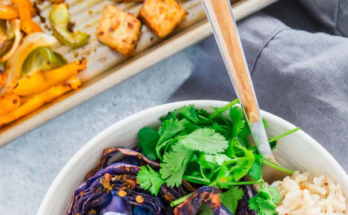
Another important aspect of clean cooking is the method used to prepare food. Techniques such as steaming, baking, grilling, and sautéing with minimal oil help preserve nutrients and natural flavors. These methods avoid excessive fats and reduce the need for heavy sauces or artificial flavor enhancers. For example, roasting vegetables brings out their natural sweetness, while steaming keeps them crisp and vibrant. Small adjustments in cooking methods can make a significant difference in both taste and health benefits.
Clean cooking also involves being mindful of seasoning. Instead of relying heavily on salt or processed sauces, natural herbs and spices can enhance flavor in a more balanced way. Ingredients like garlic, ginger, turmeric, and fresh herbs add depth without overwhelming the dish. Learning to combine these elements allows meals to remain exciting while still aligning with clean cooking practices. Over time, taste preferences may shift, making natural flavors more enjoyable and satisfying.
Reducing waste is another valuable component of clean cooking in daily life. Thoughtful use of ingredients ensures that less food is discarded. Vegetable peels, stems, and leftover portions can often be repurposed into broths, soups, or side dishes. This approach not only saves money but also supports environmental sustainability. Being aware of portion sizes and proper storage techniques further contributes to minimizing waste while maintaining food freshness.
Kitchen habits also play a role in maintaining a clean cooking environment. Keeping cooking surfaces, utensils, and storage areas clean ensures food safety and encourages a more enjoyable cooking experience. A tidy kitchen reduces stress and makes the process of preparing meals feel more manageable. Simple habits like cleaning as you go or organizing ingredients before cooking can make a noticeable difference in daily routines.
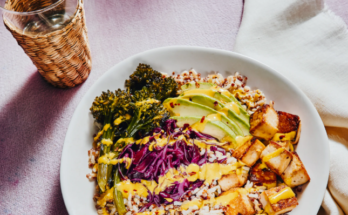
Time management is often a concern for those trying to adopt clean cooking habits. However, clean cooking does not have to be time-consuming. Quick recipes using a few fresh ingredients can be both nutritious and efficient. One-pan meals, simple stir-fries, or grain bowls allow for balanced meals without extensive preparation. Batch cooking is another helpful strategy, where larger portions are prepared in advance and stored for later use. This approach ensures that healthy options are always available, even on the busiest days.
Clean cooking also supports mindful eating. When meals are prepared with care and attention, they encourage a deeper connection to food. Sitting down to enjoy a home-cooked meal without distractions allows individuals to appreciate flavors and recognize hunger and fullness cues. This mindful approach can lead to better digestion and a more satisfying eating experience overall.
Affordability is often a concern, but clean cooking can be budget-friendly when approached thoughtfully. Buying seasonal produce, choosing local ingredients, and purchasing in bulk can reduce costs while maintaining quality. Simple meals made from basic ingredients are often more economical than heavily processed options. Over time, cooking at home can lead to significant savings while promoting healthier habits.
It is also important to recognize that clean cooking does not require perfection. Flexibility is key to maintaining consistency. There may be days when convenience takes priority, and that is completely normal. The goal is to make better choices most of the time rather than striving for an unrealistic standard. By focusing on progress instead of perfection, clean cooking becomes a sustainable and enjoyable part of everyday life.
Cultural traditions and personal preferences can easily be incorporated into clean cooking practices. Traditional recipes can be adapted using fresher ingredients or lighter cooking methods without losing their essence. This allows individuals to stay connected to their culinary roots while embracing healthier approaches. Food is deeply personal, and clean cooking should reflect individual tastes and lifestyles rather than rigid rules.
Hydration and beverage choices also play a role in clean cooking habits. Preparing drinks at home, such as infused water, herbal teas, or fresh juices, can reduce reliance on sugary or heavily processed beverages. These simple alternatives complement clean meals and contribute to overall well-being. Being mindful of what is consumed alongside meals enhances the benefits of clean cooking.
Over time, clean cooking can positively influence not only individual health but also family and community habits. Sharing meals prepared with care can inspire others to adopt similar practices. Children who grow up with home-cooked meals often develop a stronger understanding of food and nutrition. These habits can extend beyond the kitchen, encouraging a more thoughtful approach to daily living.
Clean cooking is ultimately about balance, awareness, and intention. It is not defined by strict rules but by a commitment to making thoughtful choices that support well-being and sustainability. By focusing on fresh ingredients, simple techniques, and mindful habits, anyone can integrate clean cooking into their daily routine. The process becomes less about restriction and more about creating meals that nourish both body and mind in a practical and enjoyable way.