Healthy cooking is often misunderstood as something complicated, expensive, or only suited for experienced home chefs. In reality, preparing nutritious meals can be simple, enjoyable, and accessible to everyone, regardless of skill level. Whether someone is stepping into the kitchen for the first time or has years of experience, the key to healthy cooking lies in understanding basic principles, using wholesome ingredients, and building confidence over time.
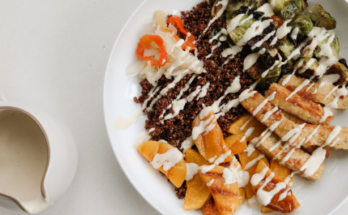
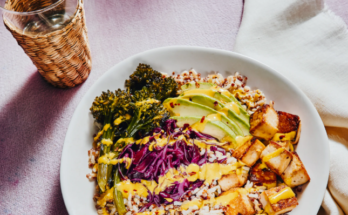
At its core, healthy cooking is about balance. It involves combining fresh vegetables, fruits, whole grains, lean proteins, and healthy fats in a way that nourishes the body while still being satisfying and flavorful. For beginners, this can start with small changes such as replacing processed foods with fresh alternatives or learning how to prepare a few simple meals at home. Even mastering something as basic as roasting vegetables or cooking rice properly can lay the foundation for more advanced skills later on.
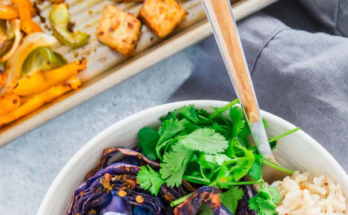
One of the most helpful approaches for beginners is to keep things uncomplicated. Recipes with a short list of ingredients and clear instructions can prevent the feeling of being overwhelmed. Cooking methods such as steaming, baking, grilling, or sautéing are easy to learn and help preserve nutrients without requiring complex techniques. Over time, these methods become second nature, allowing home cooks to experiment more freely.
For those with intermediate experience, healthy cooking becomes an opportunity to explore variety and creativity. This might include trying new ingredients, adjusting recipes to reduce added sugars or unhealthy fats, or incorporating more plant-based meals into the weekly routine. At this stage, understanding flavor combinations becomes more important. Herbs, spices, and natural seasonings can transform simple dishes into something exciting without relying on excessive salt or processed sauces.
Planning also plays a significant role in maintaining a healthy cooking routine. Preparing meals ahead of time or organizing ingredients for the week can make it easier to avoid last-minute unhealthy choices. Even setting aside a short time each day to cook can create a consistent habit. Many people find that once cooking becomes part of their routine, it feels less like a chore and more like a rewarding activity.
Advanced cooks often focus on refining their techniques and maximizing nutritional value without sacrificing taste. They may experiment with different cuisines, learn how to balance macronutrients more precisely, or adapt traditional recipes into healthier versions. For example, swapping refined grains for whole grains or using natural sweeteners instead of processed sugar can elevate both the quality and health benefits of a meal. Advanced cooking also often includes an appreciation for presentation and texture, making meals not only healthy but also visually appealing and enjoyable.
Across all skill levels, one important factor is developing a positive relationship with food. Healthy cooking should not feel restrictive or rigid. Instead, it should encourage flexibility and enjoyment. Allowing room for occasional indulgences while maintaining overall balance helps create a sustainable approach. This mindset reduces stress and makes it more likely that healthy habits will last over time.
Another key aspect is understanding ingredients. Learning how to read labels, choose fresh produce, and store food properly can make a noticeable difference. Fresh ingredients often provide better flavor and nutrition, while proper storage reduces waste and saves money. Even small steps, like choosing seasonal fruits and vegetables, can enhance both taste and affordability.
Kitchen confidence grows through practice. Mistakes are a natural part of the process, and each attempt offers a chance to learn something new. A dish that does not turn out as expected can still teach valuable lessons about timing, seasoning, or technique. Over time, these experiences build intuition, allowing cooks to rely less on strict recipes and more on their own judgment.
Healthy cooking also benefits from a supportive environment. Cooking with family members, friends, or even following along with instructional content can make the experience more engaging. Sharing meals with others adds a social dimension that reinforces positive habits. It turns cooking into a meaningful activity rather than just a daily task.
Time management is another important consideration. Many people believe they do not have enough time to cook, but healthy meals do not always require long preparation. Simple dishes can be prepared in under thirty minutes, especially with some planning. Using tools like slow cookers or preparing ingredients in advance can further reduce time constraints. The goal is to find methods that fit comfortably into one’s lifestyle.
Affordability is often a concern, but healthy cooking does not have to be expensive. Staples like beans, lentils, rice, oats, and seasonal vegetables are typically budget-friendly and highly nutritious. Buying in bulk, minimizing food waste, and cooking at home instead of ordering out can lead to significant savings over time. With a bit of creativity, it is possible to prepare meals that are both economical and nourishing.
As cooking skills develop, many people discover a sense of empowerment. Being able to prepare one’s own meals provides control over ingredients and portion sizes. It also fosters independence and self-sufficiency. This sense of control can contribute to better overall well-being, as individuals feel more connected to what they eat and how it affects their health.
Ultimately, healthy cooking is not about perfection. It is about making consistent, thoughtful choices that support well-being while still allowing for enjoyment. Each step forward, no matter how small, contributes to building a sustainable habit. Whether someone is just beginning or already experienced in the kitchen, there is always room to grow, explore, and enjoy the process.
By focusing on simplicity, balance, and gradual improvement, anyone can develop the skills needed to cook healthy meals. The journey is personal and adaptable, shaped by individual preferences, cultural influences, and daily routines. With time and practice, healthy cooking becomes less of a goal and more of a natural part of everyday life.