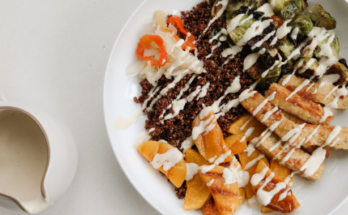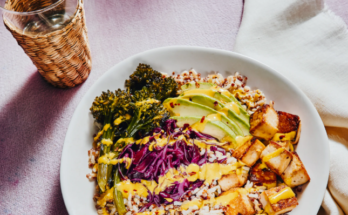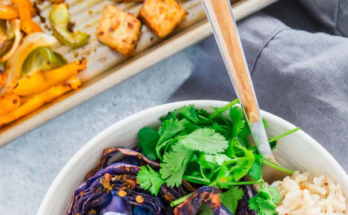
Cooking smarter for healthier results is not about strict rules or giving up the foods you enjoy. It is about making thoughtful choices in the kitchen that improve nutrition while keeping meals satisfying and practical. Small adjustments in how you select ingredients, prepare food, and build meals can lead to meaningful improvements in overall well-being without adding stress to your daily routine.
A good place to begin is with ingredient awareness. Fresh, whole foods tend to offer more nutritional value than heavily processed options. Fruits, vegetables, whole grains, lean proteins, and healthy fats provide essential nutrients that support the body’s functions. Choosing seasonal produce can also enhance both flavor and affordability, making it easier to cook meals that are enjoyable and nourishing at the same time. Instead of focusing on eliminating certain foods entirely, it is often more helpful to think about balance and proportion.
Another important aspect of cooking smarter is understanding how preparation methods affect health. Techniques like steaming, baking, grilling, and sautéing with minimal oil can preserve nutrients and reduce unnecessary calories. On the other hand, deep frying or using excessive amounts of butter and oil can increase the energy density of meals without adding much nutritional benefit. By experimenting with different cooking styles, it becomes easier to discover methods that enhance taste while supporting healthier outcomes.
Flavor plays a key role in maintaining long-term healthy habits. Many people assume that nutritious food lacks taste, but this does not have to be the case. Herbs, spices, citrus, and natural seasonings can transform simple ingredients into delicious meals without relying heavily on salt or sugar. Learning how to layer flavors can make a significant difference, allowing you to enjoy meals that are both wholesome and appealing.
Portion awareness is another factor that contributes to smarter cooking. Even nutritious foods can lead to imbalance if consumed in excessive amounts. Preparing meals at home gives you more control over portion sizes compared to eating out, where servings are often larger than necessary. Paying attention to hunger cues and serving appropriate portions can help maintain energy levels and support a more balanced diet over time.
Planning ahead can make healthy cooking more consistent and less time-consuming. Setting aside time to think about meals for the week helps reduce last-minute decisions that may lead to less nutritious choices. Preparing ingredients in advance, such as washing vegetables or cooking grains, can streamline the process and make it easier to assemble meals quickly. This approach is especially useful for busy schedules, as it reduces reliance on convenience foods that may be lower in nutritional quality.
Smart substitutions are another practical strategy. Swapping refined grains for whole grains, choosing lean proteins instead of higher-fat options, or using yogurt in place of heavier creams are simple changes that can improve the nutritional profile of meals. These adjustments do not require drastic changes in taste or cooking style, making them easier to adopt and maintain.
Hydration is often overlooked when discussing cooking and nutrition, but it plays a vital role in overall health. Incorporating water-rich foods such as fruits, vegetables, and soups into meals can contribute to hydration while also providing essential nutrients. Reducing sugary beverages and focusing on water or naturally flavored drinks can further support a balanced lifestyle.
Mindful cooking also involves paying attention to food safety and quality. Proper storage, handling, and cooking temperatures help ensure that meals are safe to eat and retain their nutritional value. Simple practices like washing produce thoroughly and avoiding cross-contamination can make a significant difference in maintaining both safety and freshness.
Another aspect of cooking smarter is adaptability. Everyone’s dietary needs and preferences are different, so it is important to find approaches that work for your lifestyle. Some people may benefit from incorporating more plant-based meals, while others may focus on balancing macronutrients or managing specific dietary considerations. The key is to remain flexible and open to adjustments, allowing your cooking habits to evolve over time.
Cooking at home also provides an opportunity to build a stronger connection with food. Taking the time to prepare meals can encourage greater appreciation for ingredients and the effort involved in creating them. This awareness often leads to more intentional choices and a deeper understanding of what works best for your body.
Involving family members or friends in the cooking process can make it more enjoyable and sustainable. Sharing responsibilities, trying new recipes together, and learning from one another can turn cooking into a positive and engaging experience. This social aspect can also reinforce healthy habits and make them easier to maintain in the long term.
Technology can also support smarter cooking. Access to online recipes, cooking tutorials, and nutrition information makes it easier than ever to learn new skills and expand your culinary repertoire. However, it is important to choose reliable sources and focus on practical, balanced advice rather than extreme or overly restrictive approaches.
Cost is another factor that influences cooking choices. Eating healthier does not have to be expensive. Buying in bulk, choosing store brands, and prioritizing staple ingredients like grains, beans, and seasonal produce can help keep costs manageable. Reducing food waste by using leftovers creatively is another way to make cooking both economical and efficient.
Consistency is more important than perfection when it comes to healthier cooking. Occasional indulgences are a normal part of life and can be enjoyed without guilt. The goal is to build habits that are sustainable over time, rather than striving for unrealistic standards. By focusing on gradual improvements and maintaining a balanced perspective, it becomes easier to achieve lasting results.
Cooking smarter for healthier results is ultimately about making informed, practical choices that fit into your daily life. It is a process of learning, experimenting, and adapting based on what works best for you. With a thoughtful approach, it is possible to create meals that are both enjoyable and supportive of long-term well-being, turning everyday cooking into a powerful tool for a healthier lifestyle.