Healthy cooking is often portrayed as something that requires strict rules, rare ingredients, or hours in the kitchen. That perception can make it feel intimidating or even unrealistic for people with busy schedules. In reality, preparing nourishing meals does not need to be complicated. With a few practical habits and a relaxed approach, anyone can create food that supports well-being while still being enjoyable and satisfying.
At the heart of simple, healthy cooking is the idea of focusing on whole, recognizable ingredients. Foods that are close to their natural state tend to provide more nutrients and fewer additives. Fresh vegetables, fruits, grains, legumes, eggs, and unprocessed meats or plant-based proteins can form the foundation of everyday meals. There is no need to chase perfection or eliminate entire food groups. Balance and variety are far more sustainable than strict limitations.
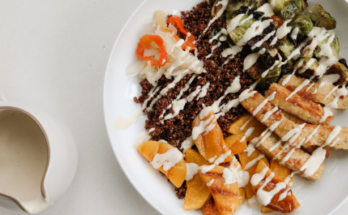
One of the easiest ways to simplify cooking is to keep meals straightforward. A dish does not need a long list of ingredients to taste good. For example, a combination of roasted vegetables, a source of protein, and a flavorful seasoning can create a complete and satisfying meal. Olive oil, garlic, herbs, and a pinch of salt can transform basic ingredients into something delicious without requiring advanced cooking skills.
Planning ahead can also reduce stress in the kitchen. This does not mean creating rigid meal plans or spending hours preparing food in advance. Even a loose idea of what to cook during the week can make a difference. Keeping a few staple ingredients on hand allows for flexibility. Items such as rice, pasta, canned beans, frozen vegetables, and simple sauces can be combined in many ways, making it easier to prepare meals without last-minute decisions.
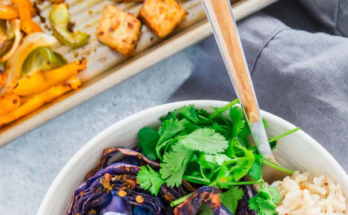
Another helpful approach is to embrace cooking methods that require minimal effort. Baking, steaming, and stir-frying are all efficient techniques that preserve flavor and nutrients. One-pan meals, for instance, are particularly convenient. By placing vegetables and protein on a single tray and roasting them together, cleanup is reduced and cooking becomes more manageable. Slow cookers or rice cookers can also simplify the process by allowing food to cook with little supervision.
Healthy cooking does not mean giving up on taste. In fact, flavor plays an important role in maintaining consistent eating habits. Herbs, spices, citrus, and natural seasonings can enhance dishes without relying on excessive sugar or heavy sauces. Experimenting with different combinations can keep meals interesting while still supporting a balanced diet. For example, adding fresh herbs to a simple salad or a squeeze of lemon to cooked vegetables can elevate the entire dish.
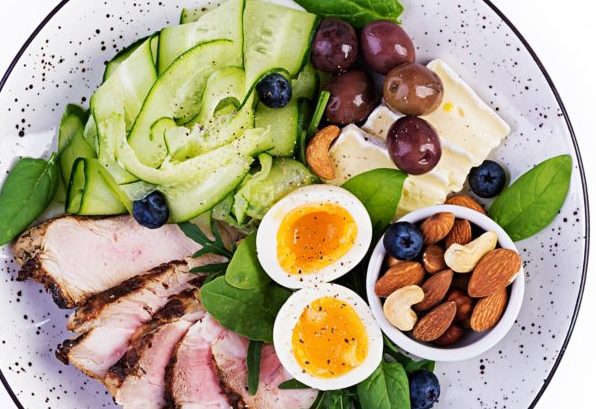
Portion awareness is another aspect of uncomplicated healthy eating. Instead of measuring everything precisely, it can be helpful to think in terms of proportions. Filling half of a plate with vegetables, a quarter with protein, and a quarter with grains or starches provides a simple visual guide. This approach allows flexibility while encouraging a balanced intake of nutrients.
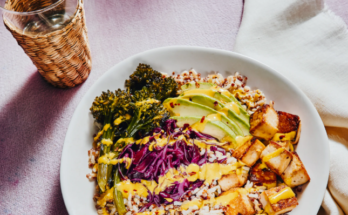
Time constraints are one of the most common barriers to cooking at home. However, healthy meals can be prepared quickly with a bit of creativity. Stir-fries, omelets, and grain bowls can often be made in less than thirty minutes. Using pre-washed vegetables or pre-cut ingredients can save time without compromising nutrition. There is no need to feel guilty about using convenient options if they help maintain consistent home cooking.
It is also important to approach healthy cooking with a sense of enjoyment rather than pressure. Cooking can be an opportunity to unwind, explore new flavors, or share meals with others. Even small efforts, such as trying a new recipe once a week or improving a familiar dish, can build confidence over time. Mistakes are part of the process and should be seen as learning experiences rather than setbacks.
Affordability is another concern that often arises when discussing healthy eating. Contrary to popular belief, nutritious meals do not have to be expensive. Seasonal produce, bulk grains, and local markets can offer cost-effective options. Cooking at home is generally more economical than relying on takeout or packaged meals. Simple dishes made from basic ingredients can be both budget-friendly and nourishing.
Hydration and mindful eating also play a role in a balanced lifestyle. Drinking enough water throughout the day supports overall health and can complement healthy meals. Paying attention to hunger and fullness cues can help create a more positive relationship with food. Eating slowly and appreciating the flavors and textures of a meal can enhance satisfaction without requiring additional complexity.
Consistency matters more than perfection. It is unrealistic to expect every meal to meet an ideal standard. Occasional indulgences are a normal part of life and do not undo healthy habits. What matters most is the overall pattern of eating over time. By focusing on simple, repeatable practices, healthy cooking becomes a natural part of daily life rather than a temporary effort.
Technology can also support uncomplicated cooking. There are many accessible resources that provide quick recipes, cooking tips, and meal ideas. Short instructional videos or easy-to-follow guides can help build skills without overwhelming detail. Choosing reliable sources that emphasize balanced and realistic approaches can make learning more enjoyable.
Creating a comfortable kitchen environment can further encourage regular cooking. Keeping tools organized and easily accessible reduces friction when preparing meals. Basic equipment such as a good knife, a cutting board, and a few versatile pans is often sufficient. There is no need for specialized gadgets to cook healthy food effectively.
Involving family members or friends in cooking can make the experience more engaging. Sharing responsibilities, such as chopping ingredients or setting the table, can turn meal preparation into a collaborative activity. This not only saves time but also strengthens connections and creates positive associations with home-cooked meals.
Healthy cooking without complication is ultimately about making choices that are practical, enjoyable, and sustainable. It is not defined by strict rules or elaborate techniques, but by a willingness to keep things simple and consistent. By focusing on whole ingredients, easy methods, and a balanced mindset, anyone can build habits that support both health and everyday life.
Over time, these small, manageable steps can lead to lasting changes. Cooking becomes less of a chore and more of a routine that fits naturally into daily life. With a relaxed approach and a focus on simplicity, healthy eating can be both accessible and rewarding, proving that nourishing meals do not have to be complicated to be effective.