Cooking is more than just a daily routine; it is a powerful way to shape health, energy levels, and overall well-being. Balanced cooking focuses on combining ingredients in a thoughtful way so that meals provide the nutrients the body needs without excess or deficiency. Rather than following strict or restrictive diets, balanced cooking encourages variety, moderation, and mindful preparation. This approach helps create meals that are both enjoyable and nourishing, making it easier to maintain healthy habits over time.
At the heart of balanced cooking is the idea of including different food groups in appropriate proportions. A well-balanced meal often contains carbohydrates for energy, proteins for growth and repair, healthy fats for long-lasting fuel, and a range of vitamins and minerals from fruits and vegetables. Instead of viewing foods as strictly “good” or “bad,” balanced cooking recognizes that each ingredient can play a role when used wisely. For example, whole grains such as brown rice or oats provide fiber and sustained energy, while lean proteins like beans, fish, or poultry support muscle health and satiety.
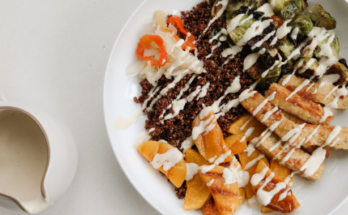
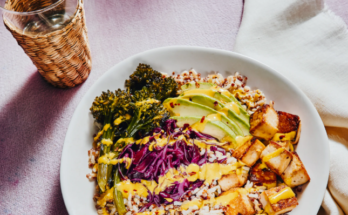
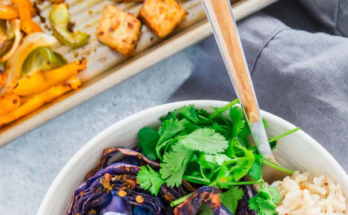
Vegetables and fruits are essential components of balanced cooking because they offer a wide range of nutrients and natural flavors. Including colorful produce in meals not only improves nutritional value but also enhances visual appeal and taste. Dark leafy greens, bright orange carrots, deep red tomatoes, and vibrant berries each contribute unique vitamins and antioxidants. Cooking methods such as steaming, roasting, or sautéing can help preserve nutrients while bringing out natural sweetness and texture.
Protein choices are another key aspect to consider. Balanced cooking does not require eliminating any specific source but encourages variety and moderation. Plant-based proteins like lentils, chickpeas, and tofu can be combined with animal-based options such as eggs, dairy, or lean meats to create satisfying meals. Rotating protein sources helps ensure a broader intake of nutrients and can make meals more interesting. It also allows flexibility for different preferences and cultural traditions.
Healthy fats are often misunderstood, but they are an important part of a balanced diet. Cooking with oils such as olive oil or incorporating foods like nuts, seeds, and avocados can provide essential fatty acids that support brain function and heart health. The key is to use these fats in appropriate amounts rather than avoiding them entirely or consuming them in excess. Balanced cooking emphasizes mindful portions, ensuring that fats complement a meal rather than dominate it.
Another important principle of balanced cooking is portion awareness. Even nutritious foods can contribute to imbalance if consumed in overly large quantities. Paying attention to portion sizes helps maintain energy balance and prevents unnecessary strain on the body. Simple practices such as serving meals on appropriately sized plates, taking time to eat slowly, and listening to hunger and fullness cues can make a significant difference in maintaining balance.
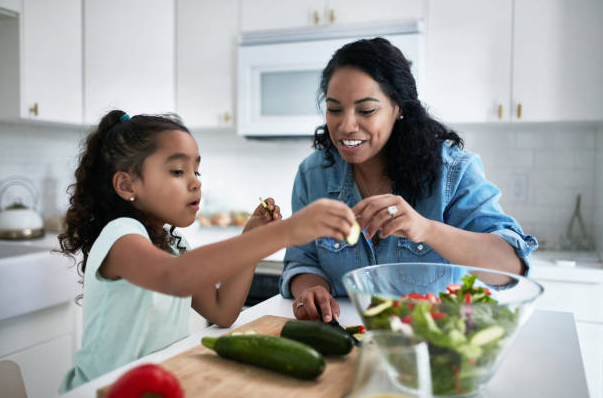
Cooking methods also play a role in nutrition. Preparing foods at home allows greater control over ingredients, seasoning, and portion sizes. Techniques such as grilling, baking, steaming, and stir-frying can enhance flavor without requiring excessive amounts of added fats or sugars. Reducing reliance on highly processed ingredients can help limit excess sodium, added sugars, and artificial additives. At the same time, balanced cooking does not demand perfection. Occasional indulgences can be part of a healthy lifestyle when enjoyed in moderation.
Flavor is an essential part of making balanced meals sustainable. Using herbs, spices, garlic, ginger, and citrus can elevate dishes without relying heavily on salt or sugar. These natural flavor enhancers not only make meals more enjoyable but can also offer additional health benefits. For example, spices like turmeric and cinnamon have been associated with various wellness properties, while fresh herbs can add brightness and depth to simple dishes.
Planning ahead can make balanced cooking more practical, especially for busy schedules. Preparing ingredients in advance, such as washing and chopping vegetables or cooking grains in batches, can save time during the week. Having a general idea of meals for the coming days helps ensure that a variety of nutrients is included and reduces the temptation to rely on less balanced convenience foods. Flexibility remains important, as plans can be adjusted based on availability, preferences, and changing needs.
Hydration is another factor that supports balanced nutrition. While cooking focuses on solid foods, beverages also contribute to overall health. Drinking enough water throughout the day helps support digestion, circulation, and energy levels. Including hydrating foods such as fruits and vegetables can further support fluid intake. Limiting sugary drinks and overly processed beverages can help maintain balance without feeling restrictive.
Cultural traditions and personal preferences should always be respected in balanced cooking. Every cuisine offers unique ingredients and preparation styles that can contribute to a nutritious diet. Rather than replacing familiar dishes, small adjustments can enhance their nutritional profile. For example, adding extra vegetables, choosing whole grain versions of staples, or moderating the use of certain ingredients can make traditional meals more balanced while preserving their identity and enjoyment.
Balanced cooking is not about strict rules or achieving perfection. It is a flexible approach that encourages awareness, variety, and enjoyment of food. By focusing on combining different food groups, using thoughtful cooking methods, and paying attention to portions, it becomes possible to create meals that support both health and satisfaction. Over time, these habits can lead to improved energy, better overall wellness, and a more positive relationship with food.
Ultimately, balanced cooking is a practical and sustainable way to nourish the body. It allows individuals to enjoy a wide range of flavors and textures while meeting their nutritional needs. By making small, consistent choices in the kitchen, anyone can build a foundation for healthier eating that fits naturally into everyday life.