Healthy cooking does not have to feel like a time-consuming task reserved for weekends or special occasions. With a few thoughtful strategies, it can become a natural, efficient part of everyday life. Many people assume that preparing nutritious meals requires long hours in the kitchen, complicated recipes, or hard-to-find ingredients, but the reality is much more approachable. By simplifying your approach and planning ahead, you can create meals that support your well-being while also saving valuable time.
One of the most effective ways to make healthy cooking faster is to plan your meals in advance. When you know what you are going to cook for the week, you eliminate the daily stress of decision-making. This also helps you shop more efficiently, reducing unnecessary trips to the store and minimizing food waste. A simple weekly plan can include a mix of easy-to-prepare meals and a few dishes that can be reused in different ways. For example, roasted vegetables prepared at the beginning of the week can be added to salads, wraps, or grain bowls over several days.
Another helpful approach is to focus on simple, whole ingredients that do not require extensive preparation. Fresh fruits, vegetables, whole grains, lean proteins, and legumes can be combined in countless ways without needing complicated techniques. Choosing ingredients that cook quickly, such as leafy greens, eggs, or fish, can significantly reduce your time in the kitchen. Pre-washed greens and frozen vegetables are also excellent options that maintain nutritional value while cutting down on prep time.
Batch cooking is another powerful strategy for saving time while maintaining a healthy diet. Preparing larger portions of meals and storing them for later allows you to cook once and eat multiple times. This can be especially useful during busy weekdays when cooking from scratch might feel overwhelming. Dishes like soups, stews, casseroles, and grain-based meals often store well and can be easily reheated. By dedicating a small amount of time to batch cooking, you can ensure that healthy options are always available when you need them.
Using the right kitchen tools can also make a noticeable difference in how quickly meals come together. Appliances such as slow cookers, pressure cookers, and air fryers can simplify the cooking process and reduce hands-on time. A sharp knife and a sturdy cutting board can speed up preparation, while items like food processors can help with chopping, slicing, and blending in seconds. Investing in a few reliable tools can make healthy cooking feel less like a chore and more like a streamlined routine.
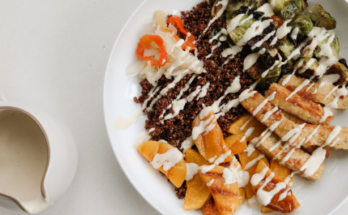
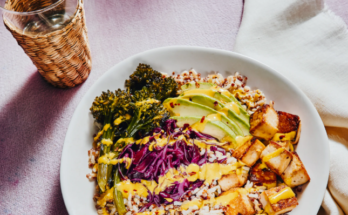
Keeping your recipes simple is another important factor in saving time. Meals with fewer ingredients are often quicker to prepare and easier to clean up afterward. Instead of aiming for perfection or complexity, focus on balanced meals that include a variety of nutrients. A combination of protein, healthy fats, and carbohydrates can be achieved with straightforward dishes such as grilled chicken with vegetables, a quinoa salad, or a stir-fry with tofu and mixed greens. Simplicity does not mean sacrificing flavor; using herbs, spices, and natural seasonings can elevate even the most basic meals.
Organizing your kitchen space can also contribute to faster and more efficient cooking. When everything has a designated place, you spend less time searching for ingredients or tools. Keeping commonly used items within reach and maintaining a clean workspace can make the cooking process smoother. Preparing ingredients ahead of time, such as chopping vegetables or marinating proteins, can further reduce the time needed to assemble meals during the week.
Healthy cooking can also be supported by adopting flexible habits rather than rigid rules. It is important to allow room for convenience when needed. For example, choosing pre-cooked grains, canned beans, or rotisserie chicken can help you put together nutritious meals quickly without compromising quality. These options can be especially useful on days when time is limited, helping you stay consistent with your healthy eating goals.
Involving family members or housemates in the cooking process can also make a difference. Sharing responsibilities such as chopping, stirring, or setting the table not only speeds up the process but can also make it more enjoyable. Cooking together can turn meal preparation into a social activity rather than a task, creating a more positive experience overall.
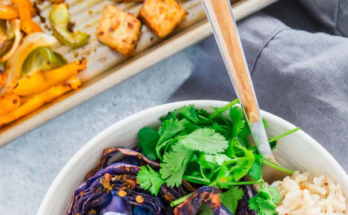
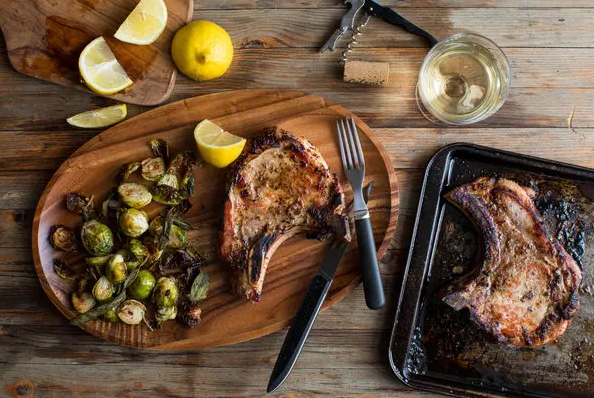
Another useful tip is to embrace one-pan or one-pot meals. These dishes are designed to minimize both cooking time and cleanup. By combining ingredients in a single pan, you can create balanced meals with less effort. Sheet pan dinners, for example, allow you to roast proteins and vegetables together, while one-pot pasta dishes can bring together grains, vegetables, and sauces in a single step. These methods are both practical and efficient, making them ideal for busy schedules.
Staying consistent with small, manageable changes is often more effective than trying to overhaul your entire routine at once. Gradually incorporating time-saving techniques into your cooking habits can lead to lasting improvements. Over time, these practices become second nature, making healthy cooking feel effortless rather than demanding.
It is also helpful to remember that healthy cooking does not have to be perfect. The goal is to make choices that support your well-being while fitting into your lifestyle. By focusing on balance, convenience, and enjoyment, you can create a sustainable approach to cooking that saves time and supports your health.
Ultimately, healthy cooking is about finding what works best for you. With a bit of planning, the right tools, and a focus on simplicity, it is possible to prepare meals that are both nutritious and efficient. By making small adjustments and embracing practical strategies, you can transform your kitchen routine into one that supports both your schedule and your well-being.