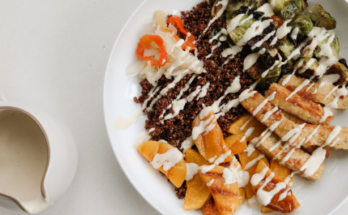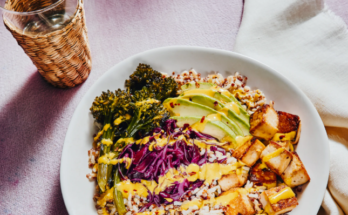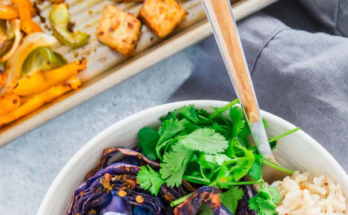
Eating well does not have to be complicated, expensive, or restrictive. Smart cooking is about making thoughtful choices in the kitchen that support your health while still allowing you to enjoy food. Balanced nutrition means giving your body the right mix of carbohydrates, proteins, fats, vitamins, and minerals so it can function properly. When these two ideas come together, cooking becomes a powerful tool for long-term wellness.
At its core, smart cooking begins with understanding ingredients. Fresh, whole foods are often the best foundation for balanced meals. Vegetables, fruits, whole grains, lean proteins, and healthy fats provide essential nutrients without excessive additives. Choosing seasonal produce not only improves flavor but can also be more affordable and environmentally friendly. When you start with quality ingredients, you are already taking an important step toward better nutrition.
Planning meals ahead of time is another key part of smart cooking. When meals are planned, it becomes easier to include a variety of food groups throughout the week. This helps avoid relying on last-minute options that may be less nutritious. A simple plan can include a mix of grains like rice or whole wheat, proteins such as beans, fish, or poultry, and a colorful range of vegetables. Variety ensures that your body receives different nutrients while keeping meals interesting.
Cooking methods also play a significant role in maintaining nutritional balance. Techniques like steaming, grilling, baking, and stir-frying can preserve nutrients while reducing the need for excess oil or heavy sauces. For example, lightly steaming vegetables helps retain vitamins that might be lost during prolonged boiling. Grilling or baking proteins can enhance flavor without adding unnecessary fats. These methods support healthier eating while still delivering satisfying meals.
Portion awareness is another important aspect of balanced nutrition. Smart cooking involves not only what you eat but also how much you eat. Preparing meals at home gives you better control over portion sizes compared to eating out. Using smaller plates, measuring ingredients when needed, and paying attention to hunger cues can help maintain a balanced intake. This approach supports energy levels without leading to overconsumption.
Flavor does not need to be sacrificed for health. Herbs, spices, and natural seasonings can elevate dishes without relying on excessive salt or sugar. Garlic, ginger, turmeric, basil, and citrus are just a few examples of ingredients that add depth and aroma. By experimenting with different combinations, cooking becomes more enjoyable and meals remain both nutritious and delicious. This encourages consistency, which is essential for maintaining healthy habits.
Balancing macronutrients is another pillar of smart cooking. Carbohydrates provide energy, proteins support muscle repair and growth, and fats help with nutrient absorption and overall body function. A balanced plate might include whole grains for sustained energy, lean protein for satiety, and healthy fats such as nuts, seeds, or olive oil. Combining these elements helps stabilize blood sugar levels and keeps you feeling full for longer periods.
Time management can make smart cooking more practical. Preparing ingredients in advance, cooking in batches, or using simple recipes can save time while still supporting balanced nutrition. For instance, cooking a large portion of grains or proteins and storing them for later use allows you to assemble meals quickly during busy days. This reduces the temptation to rely on less nutritious convenience foods.
Hydration is often overlooked but plays an essential role in overall nutrition. While it is not part of cooking itself, it complements a balanced diet. Drinking enough water throughout the day supports digestion, energy levels, and general well-being. Including water-rich foods like fruits and vegetables can also contribute to hydration.
Smart cooking also involves being mindful of added ingredients. Reducing excessive sugar, salt, and highly processed components can improve the nutritional quality of meals. Reading labels and understanding what goes into your food helps you make informed decisions. Choosing natural sweetness from fruits or moderate seasoning can maintain flavor without compromising health.
Cultural and personal preferences should always be respected in the process of balanced nutrition. Smart cooking does not require abandoning traditional dishes. Instead, it encourages small adjustments that enhance nutritional value. This might involve adding more vegetables to a familiar recipe, using whole grains instead of refined ones, or modifying cooking methods to reduce excess oil. These changes allow you to enjoy meaningful meals while supporting your health.
Another important element is listening to your body. Everyone’s nutritional needs can vary based on factors like age, activity level, and lifestyle. Smart cooking allows flexibility to adapt meals accordingly. Paying attention to how different foods make you feel can guide your choices and help you develop a routine that works best for you.
Cooking at home also fosters a stronger connection with food. It encourages awareness of ingredients, preparation methods, and portion sizes. This awareness can lead to more mindful eating habits, where meals are enjoyed without distraction. Taking the time to appreciate flavors and textures can improve satisfaction and reduce the likelihood of overeating.
Budget considerations are often a concern, but smart cooking can be cost-effective. Buying ingredients in bulk, choosing local produce, and minimizing food waste can help manage expenses. Using leftovers creatively, such as turning cooked vegetables into soups or combining grains with new ingredients, ensures that food is used efficiently. This approach supports both financial and nutritional goals.
Food safety is another essential aspect of smart cooking. Proper storage, handling, and cooking temperatures help maintain the quality and safety of meals. Washing produce thoroughly, storing perishable items correctly, and ensuring proteins are cooked adequately can prevent potential health risks. Safe cooking practices contribute to overall well-being and confidence in the kitchen.
Finally, consistency is key to making smart cooking a sustainable habit. Small, manageable changes are more effective than drastic shifts that are difficult to maintain. Building routines around balanced meals, experimenting with new recipes, and gradually improving cooking skills can lead to lasting results. Over time, these habits become part of everyday life, supporting long-term health and enjoyment.
Smart cooking for balanced nutrition is not about perfection. It is about making practical, informed choices that align with your lifestyle and preferences. By focusing on quality ingredients, thoughtful preparation, and mindful eating, you can create meals that nourish your body and bring satisfaction. This approach turns cooking into a positive and empowering experience, helping you maintain a balanced and healthy way of living.