Cooking at home can be one of the most rewarding daily habits, but it often feels overwhelming when time is limited and the kitchen gets messy quickly. The good news is that with a few clean and practical cooking strategies, you can simplify your routine, reduce stress, and make the entire process more enjoyable. A well-organized approach not only saves time but also helps maintain a hygienic environment, which is essential for both safety and comfort.
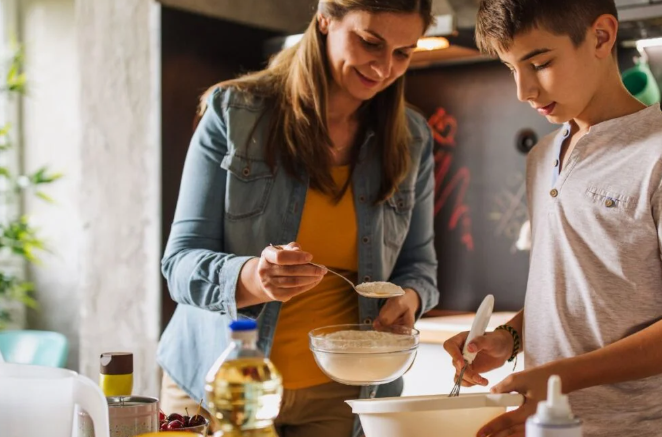
One of the most effective ways to keep cooking clean and manageable is to start with preparation. Before turning on the stove, take a few minutes to gather all your ingredients and tools. This habit, often called mise en place, ensures that everything is within reach and reduces unnecessary movement around the kitchen. It also helps prevent spills and forgotten ingredients, which are common sources of clutter. When ingredients are measured and ready, you can focus entirely on cooking rather than searching through cabinets or rushing at the last minute.
Keeping your workspace tidy as you cook is another important practice. Instead of letting dishes pile up in the sink, try washing utensils and bowls while food is simmering or baking. This simple habit keeps your kitchen from becoming overwhelming and makes cleanup much faster once the meal is finished. Wiping down surfaces regularly during cooking also prevents stains and buildup, especially when working with oils or sauces that tend to splatter.
Choosing the right tools can make a big difference in maintaining a clean cooking process. Non-stick cookware, for example, reduces the need for excessive oil and makes cleaning easier afterward. Using cutting boards with non-slip bases can prevent accidents and keep your preparation area organized. It is also helpful to have separate boards for different types of ingredients, such as vegetables and proteins, to maintain proper hygiene and avoid cross-contamination.
Another practical tip is to simplify your recipes when possible. Meals with fewer ingredients and straightforward steps are not only easier to prepare but also create less mess. One-pot dishes, for instance, are an excellent choice for busy days because they minimize the number of utensils and pans needed. This approach allows you to enjoy home-cooked meals without spending excessive time cleaning up afterward.
Storage plays a key role in keeping your kitchen clean and efficient. Properly storing ingredients in sealed containers helps maintain freshness and prevents spills or contamination. Labeling containers with dates can also help you keep track of what needs to be used first, reducing food waste. A well-organized refrigerator and pantry make it easier to find what you need quickly, which supports a smoother cooking experience.
Maintaining cleanliness also involves safe food handling practices. Washing your hands before and during cooking is essential, especially after handling raw ingredients. Rinsing fruits and vegetables thoroughly helps remove dirt and residues, ensuring that your meals are safe to eat. Keeping raw and cooked foods separate is another important step in preventing contamination and maintaining a healthy kitchen environment.
Time management is closely connected to clean cooking. Planning your meals ahead of time allows you to prepare ingredients in advance and avoid last-minute chaos. For example, chopping vegetables or marinating ingredients earlier in the day can make the cooking process faster and more organized later on. Batch cooking is another useful strategy, where you prepare larger quantities of food and store portions for future meals. This not only saves time but also reduces the frequency of cooking and cleaning.
Using the right amount of ingredients is another way to keep things practical. Overfilling pans or using too much liquid can lead to spills and uneven cooking. Following recommended quantities helps maintain control and ensures better results. It is also helpful to taste and adjust seasoning gradually rather than adding too much at once, which can lead to waste.
Ventilation is often overlooked but plays an important role in keeping your kitchen environment pleasant. Proper airflow helps remove smoke, odors, and excess moisture, making the space more comfortable to work in. Opening windows or using a range hood can significantly improve air quality and prevent lingering smells that might otherwise require additional cleaning.
Cleaning as part of your routine rather than as a final step can transform your cooking experience. When cleaning becomes a continuous process, it feels less like a chore and more like a natural part of cooking. This mindset shift can make a significant difference in how you perceive time spent in the kitchen. Instead of facing a large mess at the end, you maintain a steady level of cleanliness throughout.
It is also helpful to keep essential cleaning supplies within easy reach. Having a sponge, dish soap, and a clean cloth nearby encourages quick action when spills occur. Immediate attention to small messes prevents them from becoming harder to clean later. Keeping a small trash container close to your workspace can also reduce trips across the kitchen and help maintain focus.
Developing consistent habits is key to making these tips effective. Small changes, when practiced regularly, become second nature over time. For example, returning ingredients to their place immediately after use keeps your workspace clear and organized. Similarly, rinsing tools right after use prevents food from drying and sticking, which makes washing much easier.
Cooking should be an enjoyable and fulfilling activity, not a source of stress. By adopting clean and practical habits, you can create a kitchen environment that supports creativity and efficiency. These simple strategies not only save time but also promote a sense of calm and control. With a little planning and consistency, maintaining a clean kitchen becomes effortless, allowing you to focus on what truly matters: preparing delicious meals and enjoying the process.